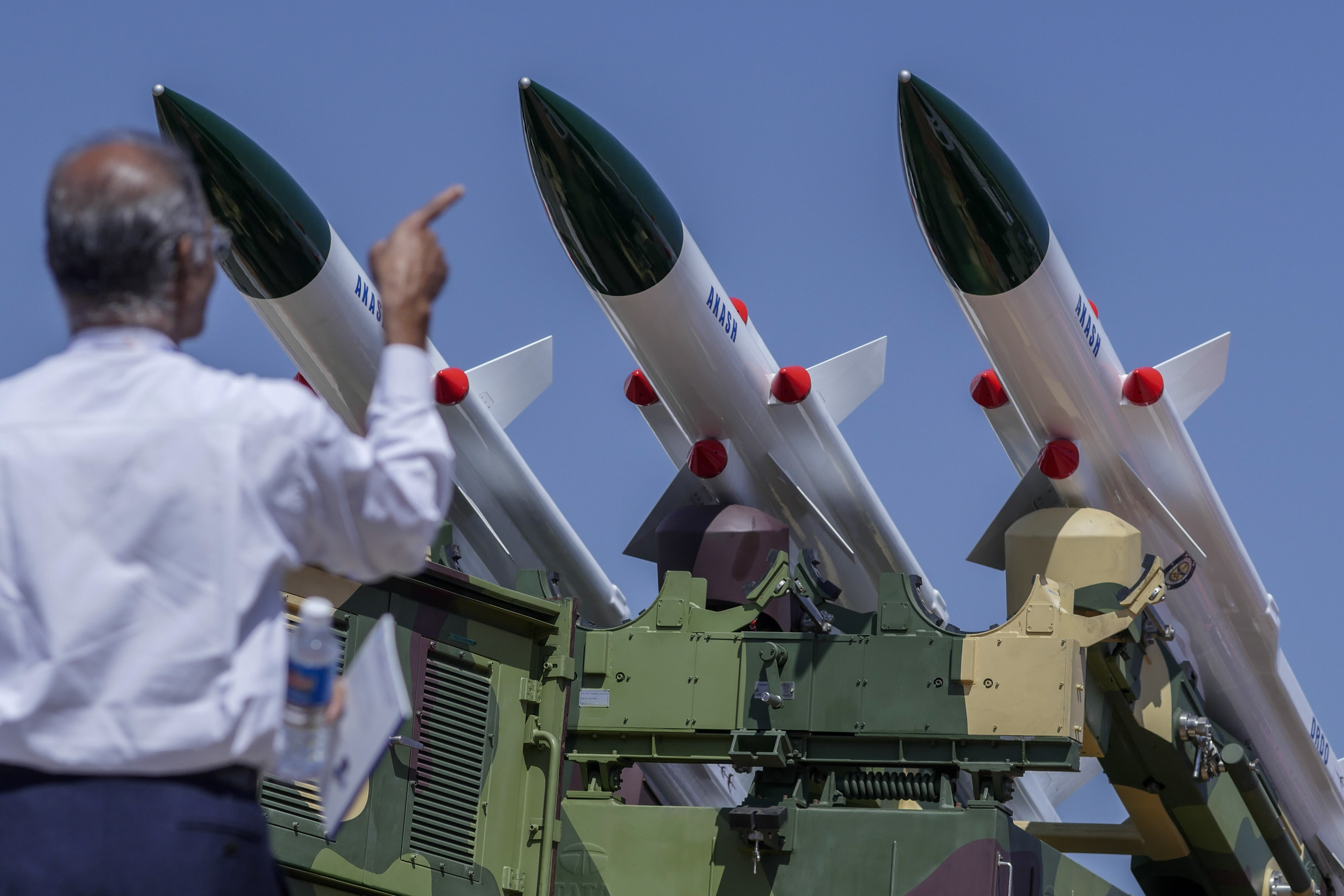
India chose a much lower orbit of less than 300 km during Mission Shakti for "capability demonstration" and to avoid threat of debris to global space assets, Defence Research and Development Organisation's Chairman G Satheesh Reddy said.
His remark comes days after National Aeronautics and Space Administration raised concerns about the spread of debris from the Anti-Satellite Test India conducted on March 27.

-
 India's Market Leaders To Decode The New Samvat At NDTV Profit Ignite In Mumbai On Oct 28
-
 NDTV Profit IGNITE Diwali 2026: Top Market Veterans Decode Wealth Creation
-
 The Week Ahead: Earnings Season, Fed Policy Verdict And Crude Oil In Focus
-
 Silver Is Now Down From Rs 4.2 Lakh To Rs 1.9 Lakh: Where It Goes From Here
-
 NDTV Ignite, The Trillion-Dollar Trajectory: India's Road to 2030
Reddy, at a briefing held at the DRDO Bhawan, said the interceptor had the capability to intercept satellites in an orbit of 1,000 km. "An orbit of around 300 km was chosen for the test for capability demonstration, and the purpose was to avoid threat of debris to any global space assets," Reddy said. "The debris created following the intercept will decay in a matter of weeks," he added.
Also Read | Layoffs Are Rising In Tech, But These Skills Are Helping People Unlock Better Pay
India's Ministry of External Affairs, too, has said the test was done in the lower atmosphere to ensure that there is no space debris.
Essential Business Intelligence, Sharp Market Insights, Practical Personal Finance Advice, Daily Fuel, Gold and Silver Prices and Latest Stories — On NDTV Profit.