- India's new Closing Auction Session aims to improve price discovery and align with global norms
- Initial participation in CAS was low, with NSE volumes around Rs 1,200-1,550 crore
- CAS faces challenges due to liquidity issues and disconnect with derivatives market trading
The first week of India's new Closing Auction Session (CAS) has highlighted both the potential and the challenges of shifting the way benchmark closing prices are determined. While the framework is designed to improve price discovery and align Indian markets with global practices, thin participation has led to sharp price moves in the final minutes, leaving traders and arbitrageurs grappling with a new market structure.
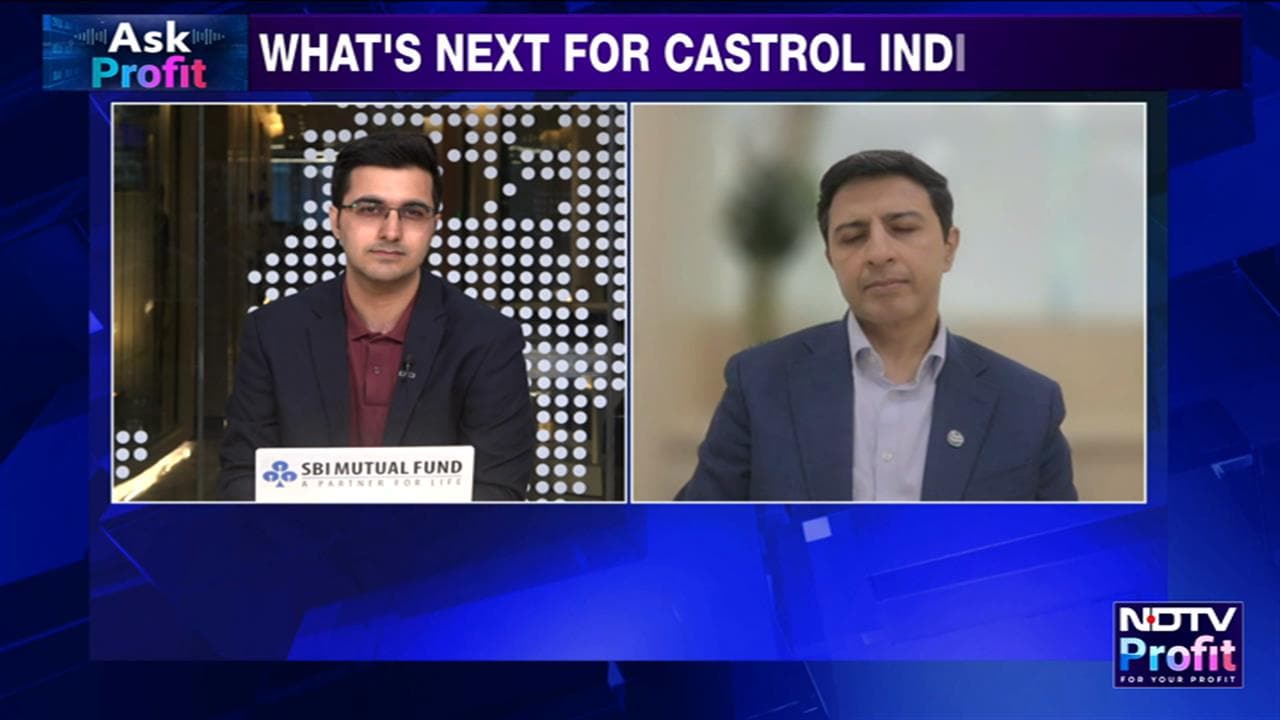
Experts speaking to NDTV Profit said the system could become more efficient as participation improves, but several structural issues—including liquidity, arbitrage and the gap between the cash and derivatives markets—will need attention.
Low Liquidity Remains The Key Concern
Kamlesh Shroff, National President of the Association of National Exchange Members of India (ANMI), said the initial lack of participation is a natural part of introducing a new mechanism.
“Whenever a new mechanism comes in, there is some learning which is natural, and participation generally grows over time,” Shroff said. He added that deeper participation would eventually help the market discover a more efficient closing price.
However, the early volumes have been relatively low. Shroff said NSE's CAS volumes were around Rs 1,200 crore on the first day and Rs 1,550 crore on the second day, while participation on BSE was considerably smaller.
Venkatachalam Shanmugam, partner at MCube, argued that the issue is less about the absence of participants and more about the need to develop depth on the opposite side of passive fund flows.
“What is required is it's not a continuous price discovery mechanism. It's a closed auction mechanism where people would have to know the mechanism,” Shanmugam said, stressing the need for greater education and awareness among market participants.
ALSO READ: New Closing Auction Needs Tweaks As Price Dislocations Emerge, Says Former SEBI Member
Arbitrage, Derivatives Pose Bigger Challenges
The biggest concern could be the disconnect between the cash market, which moves into CAS after 3:15 p.m., and the derivatives market, which continues trading.
Manjuri Mazumdar, who heads the sales trading desk at Emkay Global Financial Services, said this creates a significant liquidity problem for arbitrage funds that need to trade both legs simultaneously.
“The framework is very good, but liquidity is a problem, and that is what I think we are facing for the last few days,” Mazumdar said.
She also pointed to India's weekly options market and the relatively underdeveloped Securities Lending and Borrowing Mechanism (SLBM) as major differences from other Asian markets.
What Lies Ahead For CAS
Mazumdar said the framework could become more stable over the next 10–15 days as participants adapt. But she believes the market may need tweaks, particularly around the range within which prices can move during the auction.
Shanmugam, meanwhile, said liquidity will ultimately determine how effectively the new mechanism works. “We need to bring in liquidity,” he said, arguing that larger trades can influence the closing price when market depth is limited.
The consensus from the experts is therefore not that CAS should be abandoned, but that its first week should be viewed as a transition period. Greater participation, stronger arbitrage mechanisms and deeper liquidity could determine whether the system delivers the cleaner and more efficient price discovery that regulators intended.
ALSO READ: CAS A Step Towards Strengthening Market Price Discovery Mechanism, Says SEBI
Essential Business Intelligence, Sharp Market Insights, Practical Personal Finance Advice, Daily Fuel, Gold and Silver Prices and Latest Stories — On NDTV Profit.