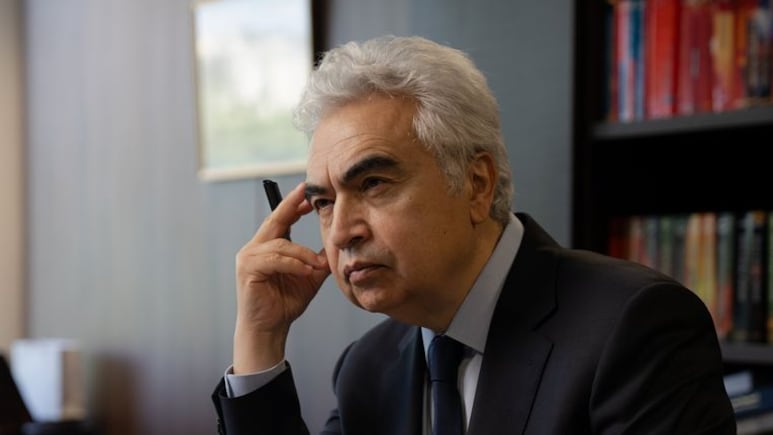
Europe may have only six weeks of jet fuel supplies left before shortages begin to disrupt air travel, according to the head of the International Energy Agency (IEA), as the prolonged US-Iran conflict continues to strain global energy markets.
Fatih Birol, executive director of the IEA, warned that flight cancellations could begin within weeks if oil supplies from the Middle East are not restored.
Also Read | US-Israel-Iran War News Updates: US Says 13 Ships Turned Around Due To Blockade
Also Read | Layoffs Are Rising In Tech, But These Skills Are Helping People Unlock Better Pay
“I can tell you soon we will hear the news that some of the flights from city A to city B might be cancelled as a result of lack of jet fuel,” Birol told the Associated Press.
The US-Israel conflict with Iran, which began in late February, has caused major disruption across global oil and fuel markets. In response to the attacks, Iran has effectively shut the Strait of Hormuz, a critical route for oil exports from the Gulf region.
Although the US and Iran agreed to a two-week ceasefire last week, efforts to negotiate a broader end to the conflict stalled over the weekend. Indirect talks, reportedly being brokered by Pakistan, are still underway.
Brent crude prices remain more than 30% higher than pre-war levels, adding pressure on fuel markets and driving up petrol prices globally.
So far, Europe has avoided outright shortages because fuel shipments that departed before the conflict escalated continued to arrive. However, those final cargoes have now reached Europe, raising fears that the region could soon face supply gaps.
Birol said Europe had “maybe six weeks or so” of jet fuel left.
His comments follow a warning from Airports Council International Europe, which wrote to European Union energy and transport commissioners last week saying the bloc was only three weeks away from shortages. Under normal circumstances, airports and airlines generally maintain around six weeks of fuel reserves.
Also Read | US Says Won't Renew Sanctions Waiver On Iranian, Russian Oil
However, industry officials say the prolonged conflict has forced companies to dip into emergency stockpiles, while alternative suppliers do not have the capacity to fully replace Gulf-origin fuel supplies.
“In the past there was a group called Dire Straits,” Birol said.
“It's a dire strait now, and it is going to have major implications for the global economy. And the longer it goes, the worse it will be for the economic growth and inflation around the world.”
Birol also warned that consumers are likely to face “higher petrol prices, higher gas prices, high electricity prices”, with some regions expected to suffer more than others.
Several airlines have already cut flights that have become unprofitable due to surging fuel costs, especially those without fuel hedging arrangements in place.
Essential Business Intelligence, Sharp Market Insights, Practical Personal Finance Advice, Daily Fuel, Gold and Silver Prices and Latest Stories — On NDTV Profit.