As tensions between the United States and Iran reach a critical point, the prospects of a ceasefire remain uncertain, with both sides holding firm to opposing positions.
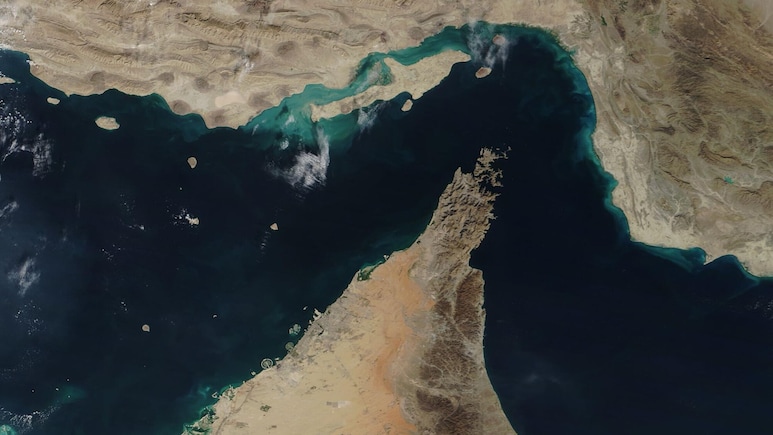
US President Donald Trump has issued sharp warnings, including threats of military escalation if key demands, particularly the reopening of the Strait of Hormuz, are not met. Iran, however, has rejected Washington's reported 15-point peace framework, calling it “extremely ambitious, unusual, and illogical.”
Tehran has also ruled out any temporary ceasefire, warning against arrangements that could lead to renewed conflict. Against this backdrop, the path forward appears increasingly complex, with outcomes ranging from de-escalation to a broader regional crisis.
Also Read | Layoffs Are Rising In Tech, But These Skills Are Helping People Unlock Better Pay
Also Read: 'Maybe Tomorrow': Donald Trump Claims Iran Can Be Taken Out In One Night
Best-Case Scenario: Path To De-Escalation
In an optimistic scenario, a temporary pause in hostilities could pave the way for structured negotiations.
Experts suggest an initial 45-day ceasefire could open discussions around Iran's nuclear and missile programmes, similar to frameworks such as the Islamabad Accord referenced in reports. A key immediate outcome would be the reopening of the Strait of Hormuz, helping stabilise global oil markets and ease energy supply concerns.
Such a process could reduce the risk of further direct confrontation involving the US, Iran, and Israel. In return, Iran may consider stricter nuclear constraints in exchange for sanctions relief, according to a report by The Guardian.
Worst-Case Scenario: Escalation And Global Shock
The risks of failure remain significant. A collapse in ceasefire efforts could trigger a wider regional conflict, with continued disruption in the Strait of Hormuz and attacks on critical energy infrastructure such as the South Pars gas field.
This could drive a sharp spike in oil prices and send shockwaves through the global economy.
There are also fears of internal instability within Iran, potentially leading to civil strife and a broader humanitarian crisis.
Iran-backed groups, including the Houthis, could intensify attacks on key shipping routes, turning the conflict into a prolonged asymmetric war.
In an extreme scenario, direct strikes on US assets could provoke a large-scale American military response.
Key Sticking Points
At the centre of any potential agreement lies the nuclear issue. Officials warn that without clear limits, the region risks becoming a “more dangerous, more volatile Middle East.”
Security guarantees remain another major hurdle. Iran has demanded assurances against future attacks, something Washington has yet to fully accept
Operational challenges are also emerging, with reports pointing to shortages of interceptor missiles that could leave critical infrastructure vulnerable if hostilities continue.
Also Read: Six Deadlines Later: A Look At Trump's Shifting Timelines As 'Tuesday Final Deadline' Looms On Iran
Most Likely Scenario: Prolonged Uncertainty
While both extremes remain possible, analysts suggest the most likely outcome lies somewhere in between.
A prolonged standoff marked by intermittent escalation, limited pauses, and no decisive breakthrough appears to be the current trajectory. This would keep global markets on edge, with continued risks to energy supplies and regional stability.
A Narrow Diplomatic Window
The current situation underscores a fragile window for diplomacy. With Washington issuing ultimatums and Tehran rejecting proposals, the gap between the two sides remains wide. Whether the crisis moves toward negotiation or deeper escalation will depend on how both sides balance military pressure with diplomatic engagement in the days ahead.
Essential Business Intelligence, Sharp Market Insights, Practical Personal Finance Advice, Daily Fuel, Gold and Silver Prices and Latest Stories — On NDTV Profit.