(Bloomberg) -- Euro-area economic momentum slowed to the weakest level in more than a year, adding to warning signs that the region's upswing has passed its peak.
A composite Purchasing Managers' Index dropped nearly two points in March, the most since 2012, when the 19-nation bloc was mired in recession. Growth in manufacturing cooled to an eight-month low last month, and sluggish orders in the region's largest economy suggest there's little additional strengthening in store.
After the fastest growth in a decade last year, companies in the 19-nation euro area are running into constraints that threaten to moderate the expansion. While that complicates the European Central Bank's job as it judges when to pare back stimulus, the region's revival is far from over.
Also Read | Layoffs Are Rising In Tech, But These Skills Are Helping People Unlock Better Pay

-
 NDTV Profit Ignite 2026: Experts See Opportunity In Equities, Stay Bullish For Long-Term
-
 Buy Right, Sit Tight Does Not Work for Individual Stocks, Says Dinshaw Irani
-
 'Worst Is Behind': Quant MF Sees Market Bottom, Flags 'Extreme Euphoria' In Midcaps
-
 India's Mutual Fund Industry Could Become A $1 Trillion Opportunity, Say Fund Managers
-
 'Foreign Investors Are Baraatis': Raamdeo Agrawal's Take On LTCG Tax
-
 Stay Invested Through Market Cycles: Raamdeo Agrawal at NDTV Profit Ignite
-
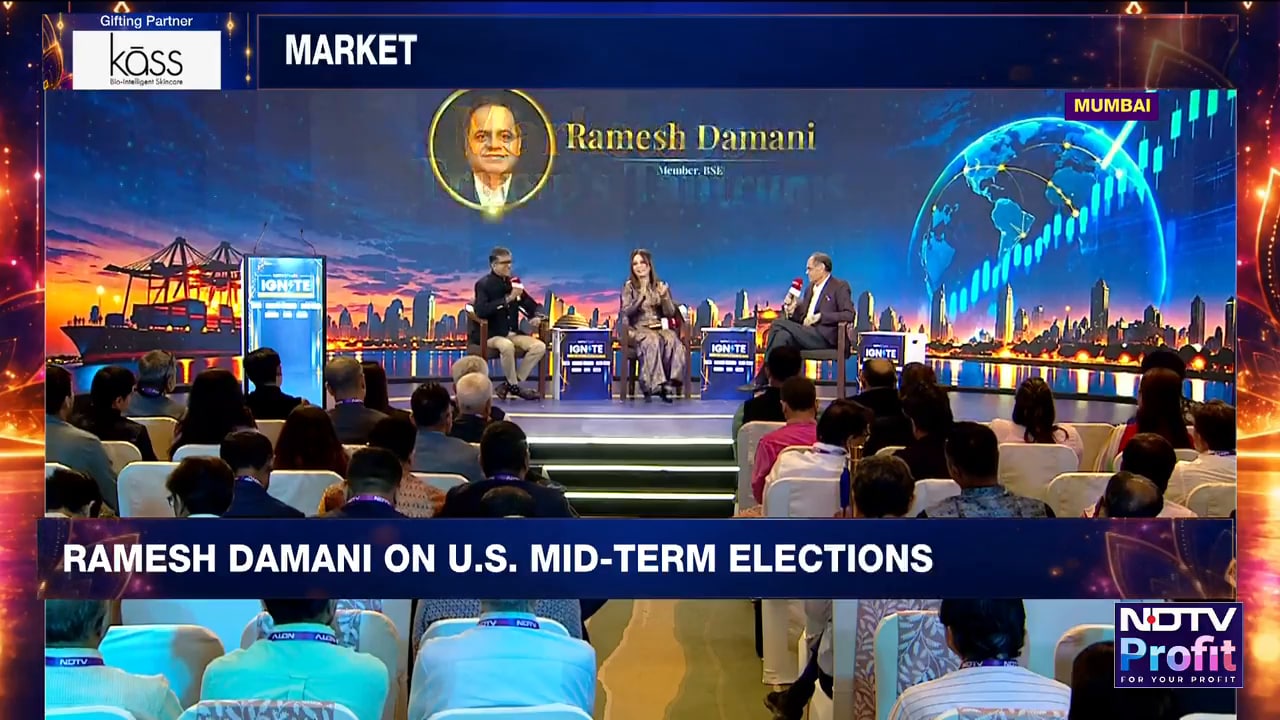
 Ramesh Damani Remains Bullish On India For Next 20-30 Years, Sees Bargains Amid Market Weakness
-
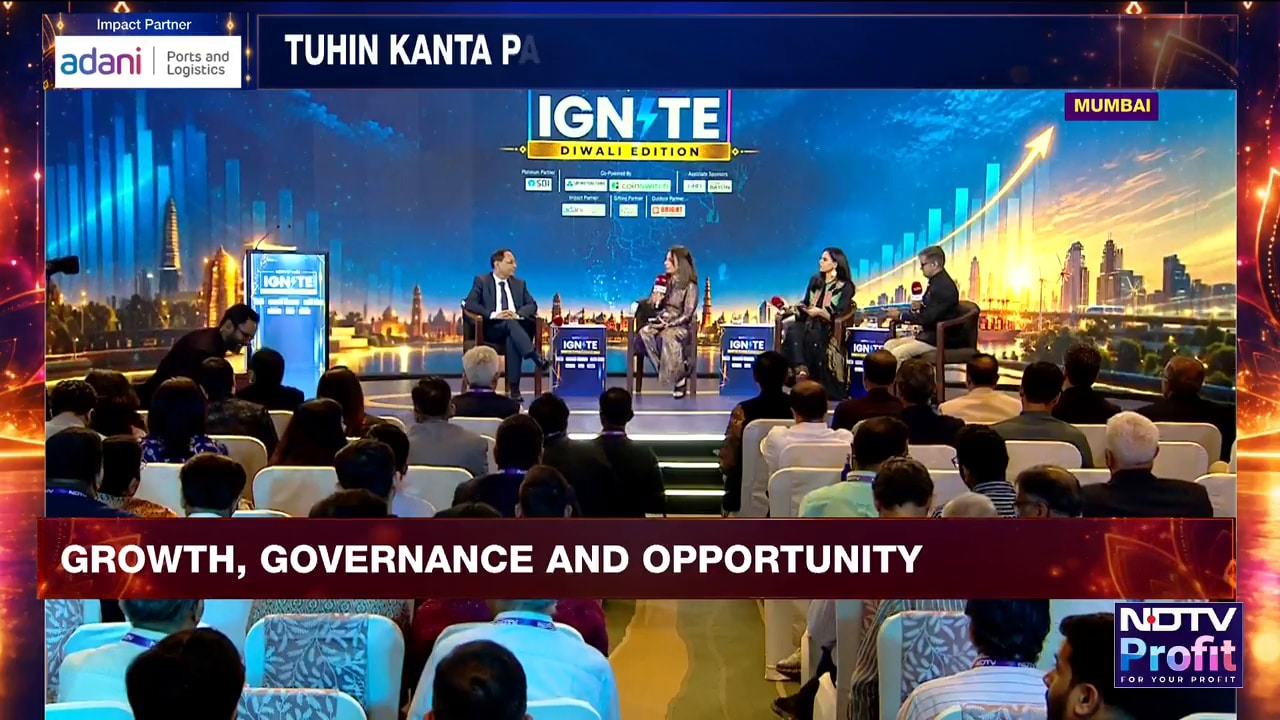
 CAS Came After A Long Consultation Process: SEBI Chairman Tuhin Kanta Pandey AT NDTV PROFIT IGNITE
-
 Aim To Cut FPI Onboarding Time From Mth To Five Days: SEBI Chairman Tuhin Kanta Pandey AT NDTV PROFI
-
 "I Am A Material Man In A Material World': Quantum Advisors' Ajit Dayal On NDTV Profit Ignite
“Some pull-back from the elevated level of the PMI at the start of the year was always highly likely,” said Chris Williamson, chief business economist at IHS Markit. He said the gauge still points toward an “impressive” quarterly rate of expansion of 0.6 percent, adding that the weaker data generally reflect fewer companies reporting improvements in business, rather than more firms pointing to deteriorating conditions.
Policy makers at the ECB have said they're increasingly confident that inflation will eventually pick up along with the region's broad economic upturn. Officials are discussing when and how to withdraw extraordinary support, and are expected to wind down asset purchases after September.
A decision is unlikely to come at the next Governing Council meeting on April 26, particularly because officials need to gauge whether temporary factors such as bad weather and short-term constraints contributed to the loss in momentum.
“It is too early to gauge whether this loss of momentum is the beginning of a solid downward trend or just some correction from levels that were too optimistic,” Apolline Menut, an economist at Barclays, said in a note.
Recent Reports
Confidence among euro-area businesses and investors slipped in March after industrial production and construction declined at the start of the year.
Separate reports on Thursday showed that retail sales in the region and German factory orders rose less than economists forecast, while cold temperatures and heavy snow battered economic activity in the U.K.
Read more: Storms Hurt U.K. Economy, But May Not Blow BOE Off Rate Course
“Gauging the true extent of any slowdown is consequently difficult,” IHS Markit's Williamson said. The next survey round “will therefore be particularly important in ascertaining true underlying growth momentum and in providing a steer on the likely timing of any ECB policy changes.”
--With assistance from Mark Evans
To contact the reporter on this story: Carolynn Look in Frankfurt at clook4@bloomberg.net.
To contact the editors responsible for this story: Fergal O'Brien at fobrien@bloomberg.net, Jana Randow, Paul Gordon
©2018 Bloomberg L.P.
Essential Business Intelligence, Sharp Market Insights, Practical Personal Finance Advice, Daily Fuel, Gold and Silver Prices and Latest Stories — On NDTV Profit.