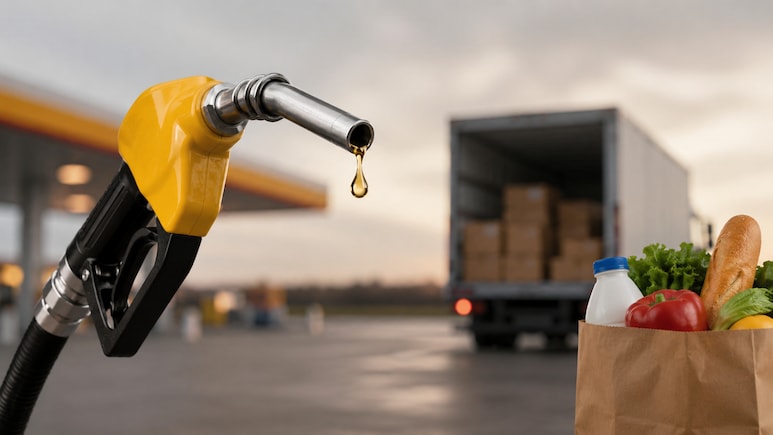
Diesel prices in the US have hit a record $5.85 a gallon, adding to concerns that higher fuel costs could soon translate into more expensive groceries, deliveries and other everyday goods.
The surge comes as the six-month-old war involving the US, Israel and Iran disrupts global fuel supplies and pushes crude oil prices higher. Diesel is a critical part of the freight and logistics network, powering trucks, trains, ships and farm equipment that keep goods moving through the economy, according to the Associated Press (AP).
The latest average diesel price is well above the roughly $3.76 a gallon recorded before the conflict began in late February, AP reported, citing AAA data. Brent crude, the global oil benchmark, was trading above $95 a barrel on Friday, compared with around $70 before the war.
Also Read | Layoffs Are Rising In Tech, But These Skills Are Helping People Unlock Better Pay
ALSO READ: Oil Heads For Biggest Weekly Gain; Brent Crude Nears $96 On US-Iran War Escalation
The impact of expensive diesel goes far beyond the fuel pump. Businesses that depend on trucking and other forms of freight face higher operating costs, which can eventually be passed on to consumers through higher prices and fuel surcharges.
Groceries are particularly vulnerable because food moves through several diesel-dependent stages, from farms and fishing operations to refrigerated trucks, trains, ships and distribution centres.
Fuel accounts for an estimated 15% to 30% of the overall cost of food, according to the Independent Grocers Alliance, AP reported. Perishable products such as fresh fruit, seafood and meat could be among the first categories to feel the impact because they require frequent transportation and refrigeration.
The pressure is not limited to supermarkets. Higher diesel prices are also raising costs for the delivery industry.
Amazon introduced a temporary 3.5% fuel and logistics surcharge for some third-party sellers in April. UPS, FedEx and the US Postal Service have also introduced or increased fees on certain shipments during the conflict, citing higher operating costs, AP reported.
Ajesh Kapoor, CEO and founder of trucking technology company SemiCab, told AP that diesel prices have a direct impact on almost everything transported across the economy.
That means consumers could eventually see higher prices for a wide range of products, including clothing, cosmetics, furniture and other goods that rely on diesel-powered transportation.
Gasoline prices have also climbed, although at a slower pace than diesel. The average US price for regular gasoline stood at $4.15 a gallon, up from $3.20 a year ago, according to AAA data cited by AP.
Diesel has historically been more expensive than gasoline and tends to rise sharply during energy supply disruptions because there are fewer immediate alternatives for industries that rely on it to move goods.
ALSO READ: Iran War To End By November Mid-Term Elections? Here's What US Vice-President JD Vance Says
The longer fuel prices remain elevated, the greater the risk that higher transportation costs will filter through supply chains and add to inflationary pressure.
A key factor behind the latest energy shock is disruption to tanker traffic through the Strait of Hormuz, a crucial route for global oil and gas shipments.
Supply disruptions and production cuts across the Middle East have pushed crude prices higher, increasing the cost of refined products such as diesel.
Essential Business Intelligence, Sharp Market Insights, Practical Personal Finance Advice, Daily Fuel, Gold and Silver Prices and Latest Stories — On NDTV Profit.