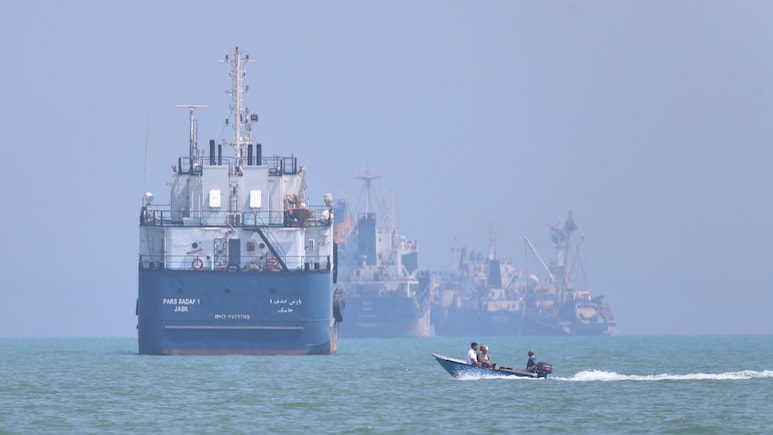
- Iran and Oman proposed a plan to manage vessel traffic through the Strait of Hormuz
- US, Israeli, and hostile nations' vessels barred from transiting the Strait under the draft
- Ships opposing the Axis of Resistance face transit bans and must pay compensation to Iran
Iran announced the draft details with regards to its strategic plan for its management of vessel traffic via the Strait of Hormuz alongside Oman, as per a post on 'X' from the country on Thursday. Here's a break down of the six key takeaways regarding this proposal along with the events that led to it and the after-effects of this announcement.
"The proposal remains under expert review and is open to recommendations before any final legislative action," Iran's Consulate in Mumbai said in the post.
Background And Importance
Iran and the US have been engaging in a protracted conflict in West Asia regarding the control of the passage of ships via the Strait of Hormuz, a narrow ocean channel through which 20% of the world's petroleum and oil supply is routed. Closing the Strait leads to a spike in energy prices.
Also Read | Layoffs Are Rising In Tech, But These Skills Are Helping People Unlock Better Pay
ALSO READ: Brent Spikes 4% As Iran-Oman Deal Denies Hormuz Access To US, Israel
After Iran announced the proposal with Oman, which included restricting vessels linked to the United States, Israel and other countries designated as "hostile" from transiting Hormuz, Brent crude futures logged a surge of over 4%.
Brent futures were trading at $82.74 per barrel with a 4.14% uptick at 10:30 p.m. IST.
Six Key Takeaways
1. US And Israel Vessels Barred From Hormuz Transit
Vessels owned by the US and Israel, which had also engaged in attacks against Iran, along with other countries it designates as hostile will be prohibited from transiting the Strait of Hormuz, as per the draft proposal.
2. Transit Ban Applies To Ships And Cargo Opposing 'Axis Of Resistance'
The transit ban under the proposal would also apply to the ships and cargo that Iran deems to have undertaken actions against the 'Axis Of Resistance', an informal military alliance of state and non-state actors who oppose US and Israeli dominance in West Asia.
3. Countries, Individuals Considered To Have Damaged Iran To Pay Compensation For Transit
Countries and individuals considered to have caused damage to Iran will be denied permission to traverse the Strait of Hormuz, as well as the Persian Gulf without them paying adequate compensation to the country, according to the draft proposal.
4. Tax Of 20% On Ship's Cargo Value As Penalty For Non-Compliance
Vessels passing through Hormuz that are found to be responsible for non-compliance with Iran will be fined up to 20% of the value of the ship's cargo.
ALSO READ: Iran-Oman Deal Blocks US, Israeli Vessels Via Hormuz; Violators To Face 20% Penalty
5. Government And Armed Forces To Coordinate On Monitoring, Security Of Persian Gulf
The proposal stated that the government will coordinate with the armed forces, to oversee navigation guidance, monitor maritime traffic, and safeguard the security and environmental protection of the Persian Gulf.
6. Specialists And Stakeholders In Iran To Submit Recommendations On Draft Proposal
The Iranian parliament invited specialists and stakeholders to put forward their recommendations for the draft before it moves to the legislative process.
Essential Business Intelligence, Sharp Market Insights, Practical Personal Finance Advice, Daily Fuel, Gold and Silver Prices and Latest Stories — On NDTV Profit.