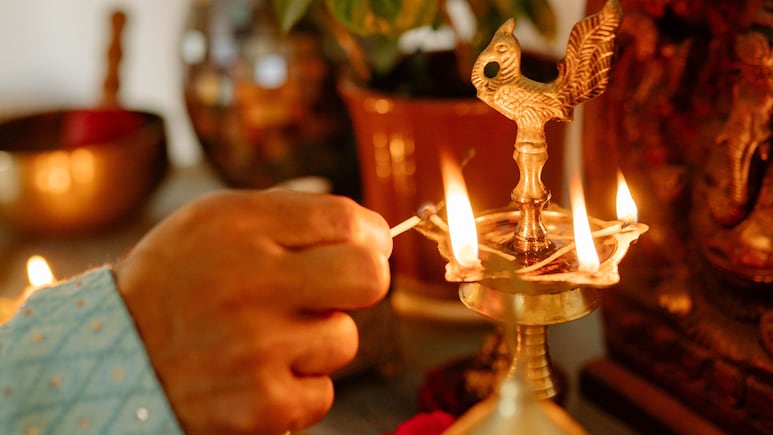
Tulsi Vivah, the ceremonial marriage of Goddess Tulsi to Lord Vishnu, will be celebrated on Saturday, November 21, 2026. Observed on Kartik Shukla Dwadashi, the Hindu festival holds special religious significance as it marks the beginning of the traditional Hindu wedding season after the four-month-long Chaturmas period.
The festival is celebrated in several parts of India with elaborate rituals, prayers and traditional wedding ceremonies. Goddess Tulsi is worshipped as the bride, while Lord Vishnu is represented by the sacred Shaligram Shila.
Tulsi Vivah 2026: Date And Shubh Muhurat
Tulsi Vivah will take place on November 21, 2026. The Dwadashi Tithi begins at 6:31 am on November 21 and ends at 4:56 am on November 22, according to the New Delhi Panchang. The auspicious timings for the occasion are:
Also Read | Layoffs Are Rising In Tech, But These Skills Are Helping People Unlock Better Pay
- Dwadashi Tithi Begins: 6:31 am, November 21
- Dwadashi Tithi Ends: 4:56 am, November 22
- Godhuli Muhurat: 5:25 pm to 6:13 pm
- Pradosh Kaal: 5:25 pm to 7:49 pm
- Abhijit Muhurat: 11:42 am to 12:28 pm
The wedding ceremony is traditionally performed during the evening, particularly around Godhuli Vela, which coincides with sunset. Timings may vary depending on the location and regional Panchang.
Puja Samagri
The commonly used puja items include a Tulsi plant, Shaligram Shila or an idol of Lord Vishnu, red or yellow chunari, flowers, garlands, haldi, kumkum, sandalwood paste, akshat, incense sticks, diya, fruits, sweets, coconut, sugarcane and panchamrit.
The rituals and offerings may differ across regions and households. Devotees generally follow their family traditions while performing the ceremony.
How To Perform Tulsi Vivah At Home: Puja Vidhi
Tulsi Vivah is celebrated like a traditional Hindu wedding, with the Tulsi plant representing the bride and Lord Vishnu or Shaligram representing the groom.
Here is a step-by-step guide to performing the ceremony at home:
- Clean the puja area: Clean the space around the Tulsi plant and decorate it with flowers, rangoli and traditional decorations. Place the Tulsi pot on a raised platform or chowki.
- Prepare the wedding mandap: Create a small mandap around the Tulsi plant using sugarcane stalks or decorative sticks. Decorate it with flowers, mango leaves and colourful cloth.
- Dress Goddess Tulsi as a bride: Decorate the Tulsi plant with a red or yellow chunari, flowers, bangles and other traditional bridal accessories. Apply haldi and kumkum as part of the bridal preparations.
- Prepare Lord Vishnu as the groom: Place a Shaligram Shila or an idol of Lord Vishnu or Krishna beside the Tulsi plant. Decorate the deity with flowers, sandalwood paste and a garland.
- Perform Ganesh Puja: Begin the ceremony by worshipping Lord Ganesha and seeking his blessings for an auspicious occasion. Light a diya and incense sticks.
- Conduct the wedding rituals: Offer flowers, fruits and sweets to the divine couple. Perform the symbolic Kanyadaan of Goddess Tulsi and recite traditional wedding prayers or Mangalashtak.
- Perform the pheras: Complete the symbolic wedding circumambulations around the mandap or sacred fire, according to family traditions.
- Perform the aarti: Conclude the ceremony by performing the aarti of Goddess Tulsi and Lord Vishnu. Distribute prasad among family members and devotees.
The rituals may differ according to regional customs and family traditions. Elaborate ceremonies may also include additional Vedic prayers and offerings.
Tulsi Vivah is not just a religious observance but also a celebration of devotion, faith and the sacred bond between Goddess Tulsi and Lord Vishnu.
ALSO READ: PVR INOX Launches 10-Item Sattvik Menu For Ramayana Moviegoers: Check What's On Offer
Essential Business Intelligence, Sharp Market Insights, Practical Personal Finance Advice, Daily Fuel, Gold and Silver Prices, Watch Business News Live and Latest Stories — On NDTV Profit.