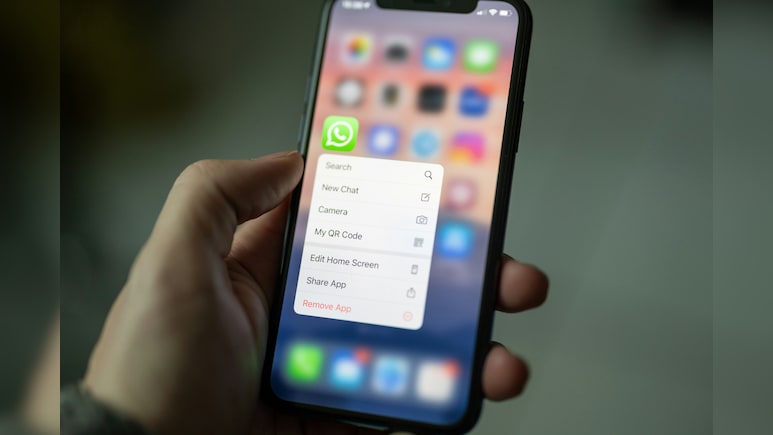
WhatsApp has begun testing an age verification feature for a limited number of users in India, as the Meta-owned messaging platform prepares to comply with the Digital Personal Data Protection Act, which is set to come into effect on May 13, 2027.
A Meta spokesperson told The Economic Times that WhatsApp is testing “privacy-protective ways for people to confirm their age” to comply with the DPDP Act. “This does not change how WhatsApp works, or your experience. We understand that information about someone's age is private and it won't be shared with other WhatsApp users,” the spokesperson added.
ALSO READ: WhatsApp Accounts Of Several Users Put Under Review In India? Here's What We Know
Also Read | Layoffs Are Rising In Tech, But These Skills Are Helping People Unlock Better Pay
Screenshots shared by users on social media show a prompt asking them to enter their date of birth, with a message stating that "upcoming laws in India require us to ask for your age".
The age verification feature is currently optional, and users do not need to confirm their age to continue using WhatsApp, according to the report. The test marks one of the first visible steps by a major social media platform to prepare for compliance with the DPDP Act's provisions governing the processing of children's personal data.
What Does DPDP Act Require?
The Digital Personal Data Protection Act is India's data privacy law that regulates how companies, government bodies and other organisations collect, process, store and use individuals' personal data.
Although the legislation received presidential assent in August 2023, its provisions are being implemented in phases. The rules relating to children's personal data are scheduled to take effect on May 13, 2027.
A key provision under Section 9 of the Act sets out how online platforms must handle the personal data of children. The law defines a child as any individual below the age of 18 years.
Under the Act, data fiduciaries, including platforms such as WhatsApp must obtain verifiable parental consent before processing a child's personal data.
In practice, this means platforms will need to determine whether a user is under 18. If they are, the platform must obtain consent from the user's parent or legal guardian before collecting or processing their personal data.
However, the law goes beyond requiring parental consent. It also lays down the standards for verifying that the consent has been provided by a legitimate parent or guardian.
How Will Platforms Verify Parents Or Guardians?
Rule 10 of the Digital Personal Data Protection Rules, 2025, requires platforms to take "appropriate technical and organisational measures" to ensure that parental consent is verifiable.
To meet this requirement, platforms must:
Confirm that the person claiming to be the parent or legal guardian is at least 18 years old.
Verify the identity of the parent or legal guardian.
Maintain records of the verification process to comply with applicable laws.
How Can Platforms Verify A Parent's Identity?
The DPDP Rules provide two ways for platforms such as WhatsApp to verify the age and identity of a parent or legal guardian.
ALSO READ: WhatsApp Down? Scores Of Users Unable To Share Videos, Images Via App
The first is by relying on the platform's existing records if the parent or guardian is already a registered user whose age and identity have previously been verified.
The second is through government-backed verification. In this case, the parent or guardian can verify their age and identity using a government-issued identity document or a virtual age token issued by an authorised entity such as DigiLocker.
Essential Business Intelligence, Sharp Market Insights, Practical Personal Finance Advice, Daily Fuel, Gold and Silver Prices and Latest Stories — On NDTV Profit.