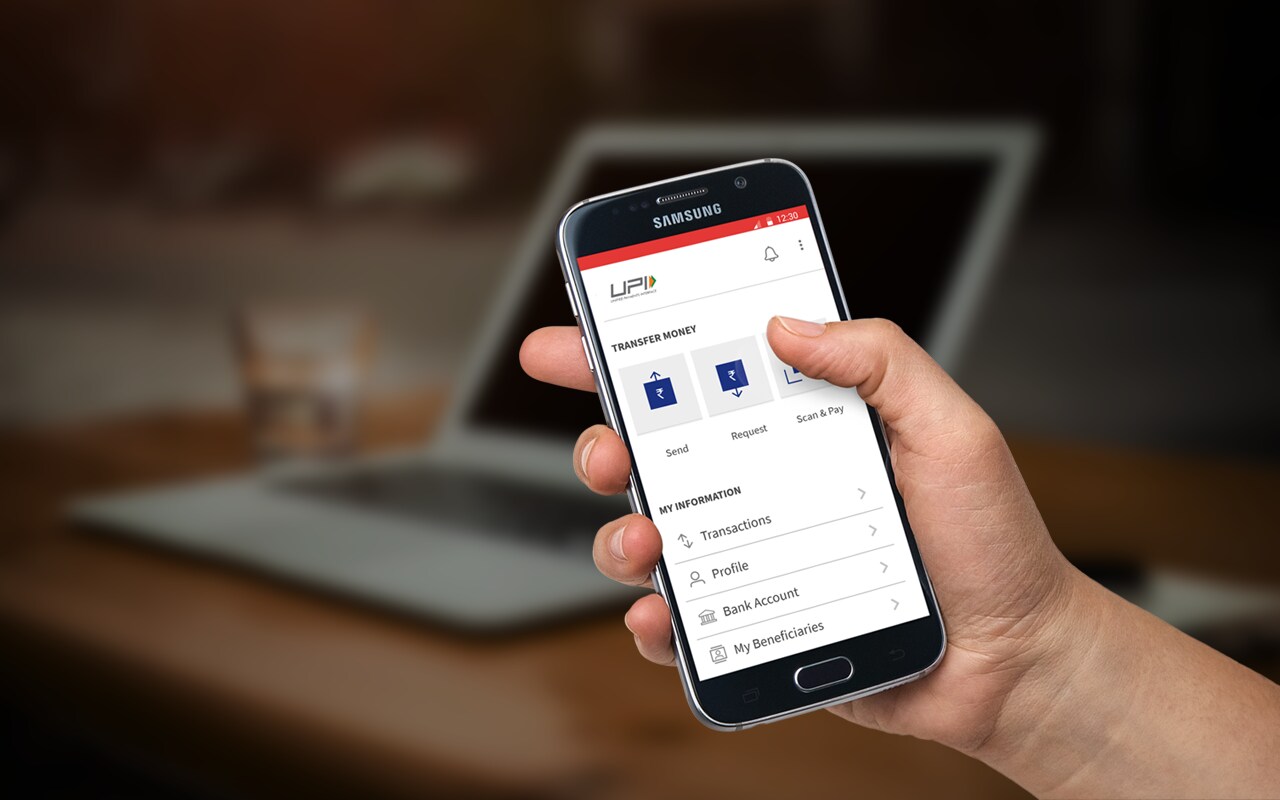
Smartphones with firmware modified by users may be banned from digital payment platforms in India due to security concerns as the government pushes ahead with its initiative to boost cashless transactions.
“These smartphones have a certain degree of vulnerability in the Unified Payments Interface (UPI), the Bharat Interface for Money (BHIM) or any kind of financial system,” AP Hota, chief executive officer and managing director of National Payments Corporation of India, told BloombergQuint. NPCI manages all retail payment systems in the country.
While the issue is “under discussions”, banks have agreed in-principle that rooted devices, as they're called, should be barred from any financial transactions, according to Hota. “All the informational security professionals of the banks are also concerned,” he said.
Also Read | Layoffs Are Rising In Tech, But These Skills Are Helping People Unlock Better Pay
The risk is that someone might remotely do something from a customer's mobile phone and the customer would not know, Hota explained.
Rooting is essentially a method that provides root access of a smartphone to the user, allowing him to modify the operating system at will. iPhone users may be more familiar with the term 'jailbreaking', which is the largely same concept executed differently. It removes any restriction that the manufacturer might've put, even for security purposes.
Motorola has a short description of what rooting is. Read it here.
While it is not illegal to root your phone in India, most manufacturers discourage users from doing so as tinkering with the root access could lead to critical flaws in the system. It also voids the warranty.
The Narendra Modi government had launched UPI and BHIM to boost digital transactions in the country and reduce dependence on cash as part of the 'cashless India' initiative. Following demonetisation, India's digital payment market is expected to surge to Rs 30,000 crore by 2020, according to trade body ASSOCHAM.
Hota estimates that roughly 7-10 percent of devices in India are rooted but added that the NPCI has learnt this number informally and is collecting further data to validate the figure.
To be sure that it doesn't lead to any discrimination we have referred to the Reserve Bank of India. It has asked for information like what is the percentage of such devices. We are in process of collecting that data.AP Hota, CEO and MD, NPCI
That may prove tough to pull off, though, as such data is not easily available. Tencent Holdings Ltd., one of the world's largest internet companies, had conducted one lone study on rooted devices in 2014. The survey showed that 27.4 percent of mobile users had rooted their phones, however, the number may have changed since then with the increasing popularity of smartphones.
The Reserve Bank is currently examining the issue and Hota refrained from giving an expected date for its review.
Essential Business Intelligence, Sharp Market Insights, Practical Personal Finance Advice, Daily Fuel, Gold and Silver Prices and Latest Stories — On NDTV Profit.