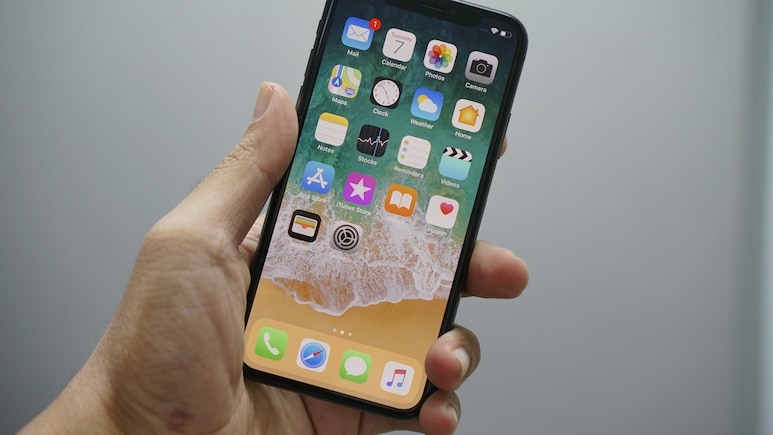
Somewhere inside iOS 27.2 beta 2 sits a feature Apple has not publicly discussed, yet clearly has not abandoned either. First spotted in May, the project, internally called “AutoLock”, has resurfaced in this beta with more details on how it could function if Apple eventually rolls it out.
A Phone That Locks Itself When It's Grabbed
The core idea is straightforward, even if the engineering behind it is not: the iPhone could be designed to recognise the physical signals associated with being snatched. Code references point to a sudden acceleration spike, the kind that could occur when someone yanks a phone out of a user's hand, as one potential trigger.
Other signals could include a paired Apple Watch suddenly disconnecting, a prolonged period without a network connection, or the screen remaining unlocked for an unusually long time.
Also Read | Layoffs Are Rising In Tech, But These Skills Are Helping People Unlock Better Pay
ALSO READ | iOS 27 Release: Here's When You Can Download It In India
Not Every Signal Gets The Final Say
What's notable is that Apple does not appear to be treating any single signal as sufficient proof that a phone has been stolen. Instead, the system appears to weigh multiple inputs against each other.
For example, a suspicious acceleration reading could push the system towards locking the phone, but that could be overridden by signals that suggest normal use, such as successful biometric authentication, the phone being in a familiar location or ordinary app activity.
The feature also appears to have a cooldown mechanism. If the phone has been locked several times in quick succession, the system could back off to avoid repeatedly interrupting the user.
ALSO READ | iOS 27 Rolls Out Today: Release Time In India, New AI Features, Eligible iPhones And How To Download
Active In The Background, But Not Enabled
Crucially, none of this is live for users yet. Apple appears to have enabled the background service responsible for monitoring these signals in the beta, while leaving the actual locking mechanism disabled.
That could indicate that Apple is testing how AutoLock behaves before deciding whether to enable it for users. However, that remains an inference based on the beta code rather than confirmation from Apple.
Whether AutoLock eventually graduates from testing into a feature Apple officially ships - and when that might happen - remains unclear.
Essential Business Intelligence, Sharp Market Insights, Practical Personal Finance Advice, Daily Fuel, Gold and Silver Prices and Latest Stories — On NDTV Profit.