Chinese cybersecurity company 360 Security Technology announced on Wednesday that it has created what it describes as a domestic response to Anthropic's Mythos, portraying the American model as a strategic cyber capability that China cannot afford to lack.
Cybersecurity experts have cautioned that Mythos, a software vulnerability detection technology that was previewed in April, could intensify intrusions. Citing national security concerns, the United States ordered Anthropic to halt exports of a less potent version of the application this month, according to a report by Reuters.
ALSO READ | Anthropic Customer Sues US Over Loss of Fable AI Access
Also Read | Layoffs Are Rising In Tech, But These Skills Are Helping People Unlock Better Pay
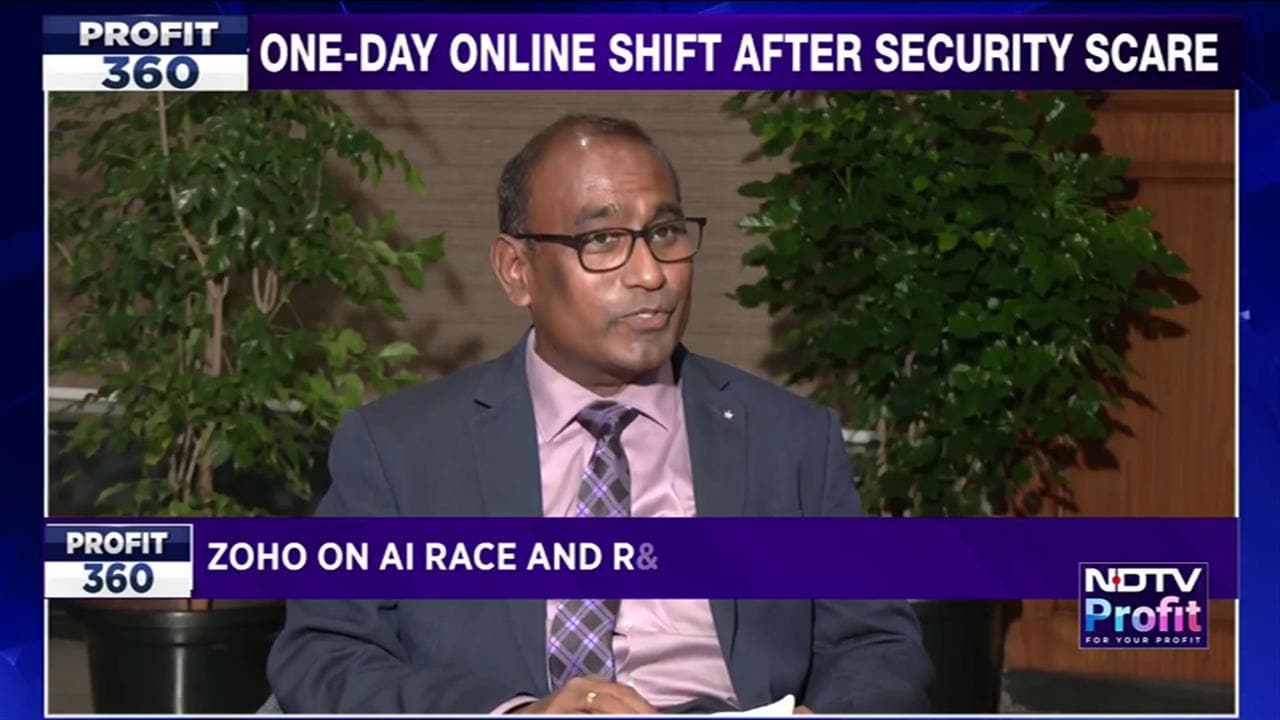
Zhou Hongyi, the founder of 360, presented two AI security solutions under the moniker "Yitian Tulong" during a speech at the ISC.AI 2026 cybersecurity conference in Beijing. The term is derived from a classic Chinese martial arts novel that means "Heavenly Sword and Dragon Saber."
One program, "Tulongfeng," which Zhou referred to as "China's version of Mythos," was created to automatically find software vulnerabilities, while another system, "Yitianzhen," was created to automate cyber defence and incident response.
According to a transcript released by 360, Zhou stated in a speech that "this kind of powerful weapon that can change the landscape of cyber offence and defence cannot be held only by others."
Vulnerability-finding AI, he said, is a national strategic asset that can be leveraged to both gain an offensive advantage and defend vital infrastructure.
The United States and China have a long history of accusing one another of carrying out aggressive cyber operations on vital infrastructure.
The introduction of 360 represents the most prominent Chinese response to Anthropic's Mythos model so far. The model's capacity to identify weaknesses in critical systems has raised concerns in Washington and other major cities, as well as throughout the cybersecurity sector.
ALSO READ | How A Series Of Conversations Made Kunal Shah Meta's Pick For WhatsApp Chief
In April, Anthropic announced that Mythos Preview had discovered "thousands" of significant flaws in web browsers, operating systems, and other software.
Due to national security concerns, the U.S. government has ordered the business to stop exporting a less potent form of Mythos to all foreign nationals and destinations worldwide.
Zhou contended that if U.S. organisations could employ Mythos-like techniques to scan software and vital systems while Chinese businesses were prohibited from such capabilities, China would be at risk of "one-way transparency".
The "unprecedented cyberattack capabilities" exhibited by Mythos have caused significant worry in China, as reported by the country's state media. Zhou is a member of the highest political advisory council in China.
According to 360, Tulongfeng discovered 3,432 software flaws, of which 105 were verified by Chinese authorities. The statements could not be independently verified by Reuters.
According to Zhou, 360 will not only replicate the U.S. strategy, which he defined as depending on "the strongest model, the strongest computing power and the strongest chips".
Although the gap has shrunk since last year, tighter U.S. export restrictions on China's access to cutting-edge U.S. semiconductors since 2022 have kept Chinese models from catching up to American rivals like Anthropic.
The United States has defended these limitations by claiming that these chips will enable the Chinese military to enhance its AI capabilities.
Essential Business Intelligence, Sharp Market Insights, Practical Personal Finance Advice, Daily Fuel, Gold and Silver Prices and Latest Stories — On NDTV Profit.