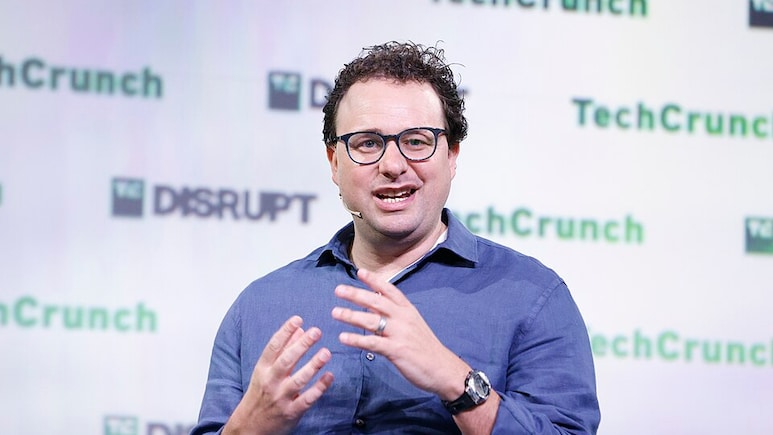
Anthropic CEO Dario Amodei predicts that major diseases and conditions such as cancer, Alzheimer's, heart disease and mental illness could become relics of the past within the next decade, as artificial intelligence accelerates medical research and drug discovery.
"Cancer, Alzheimer's, heart disease, mental illness — these will be relics of the past in, I think, less than a decade," said Amodei, CEO of Claude-maker Anthropic.
These conditions affect millions of families worldwide and remain among the most challenging areas of modern medicine.
Also Read | Layoffs Are Rising In Tech, But These Skills Are Helping People Unlock Better Pay
"If we do this right, we can create an age of miracles where humanity is able to solve problems that have eluded us for millennia," Amodei said.
ALSO READ | After 1.5 Years With Claude Code, Reddit User Wants To Leave Software Development; Here's Why
He believes AI could significantly accelerate biological research, drug discovery and medical breakthroughs, potentially shortening the time required to develop new treatments.
Amodei is not alone in making such predictions. Other prominent technology leaders, including Elon Musk and Google DeepMind CEO Demis Hassabis, have also spoken about AI's potential to transform healthcare and drug development.
Hassabis has predicted that AI could compress a decade of pharmaceutical research and development into weeks, potentially helping scientists find cures for diseases within the next ten years.
He has pointed to AlphaFold, Google DeepMind's AI system that has predicted the structures of more than 200 million proteins, as an example of how artificial intelligence can accelerate biological research.
While AlphaFold represents a significant scientific breakthrough, its success does not necessarily mean that complex diseases such as cancer and Alzheimer's can be cured within a decade.
Musk, meanwhile, has predicted that advances in AI will eventually make the quality of medical care currently available to the US President accessible to everyone.
However, pharmaceutical industry leaders remain sceptical about the timelines being suggested by technology executives.
Vertex Pharmaceuticals Executive Chairman Jeff Leiden dismissed such predictions as "complete BS". He pointed out that after evaluating around 50 AI companies across 10,000 drug compounds, none had independently produced a working drug.
Industry executives argue that while AI can accelerate the identification of promising drug candidates, it cannot eliminate the need for laboratory research, animal testing, human clinical trials and regulatory approvals. These stages account for a significant part of the 10-to-12-year drug development process.
ALSO READ | Anthropic Unveils New Fable, Mythos AI Models Ahead Of IPO
Identifying a promising molecule is only the first step. It must still undergo extensive testing to establish its safety and effectiveness before it can be approved for medical use. AI may speed up the initial discovery process, but it cannot bypass the scientific and regulatory requirements that follow.
Scepticism also extends beyond the pharmaceutical industry. Critics, including cognitive scientist Gary Marcus and cardiologist Eric Topol, have questioned whether current AI systems possess the biological understanding and causal reasoning required to consistently deliver major medical breakthroughs.
Medical history offers reasons for caution. The 1970s "war on cancer", for instance, raised hopes of rapid progress against the disease, but a definitive cure remains elusive.
Experts warn that ambitious predictions about AI-driven medical breakthroughs could create expectations that scientific research may struggle to meet.
Essential Business Intelligence, Sharp Market Insights, Practical Personal Finance Advice, Daily Fuel, Gold and Silver Prices and Latest Stories — On NDTV Profit.