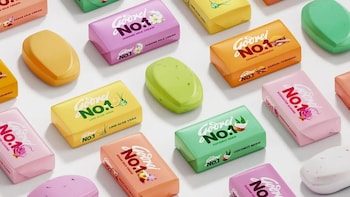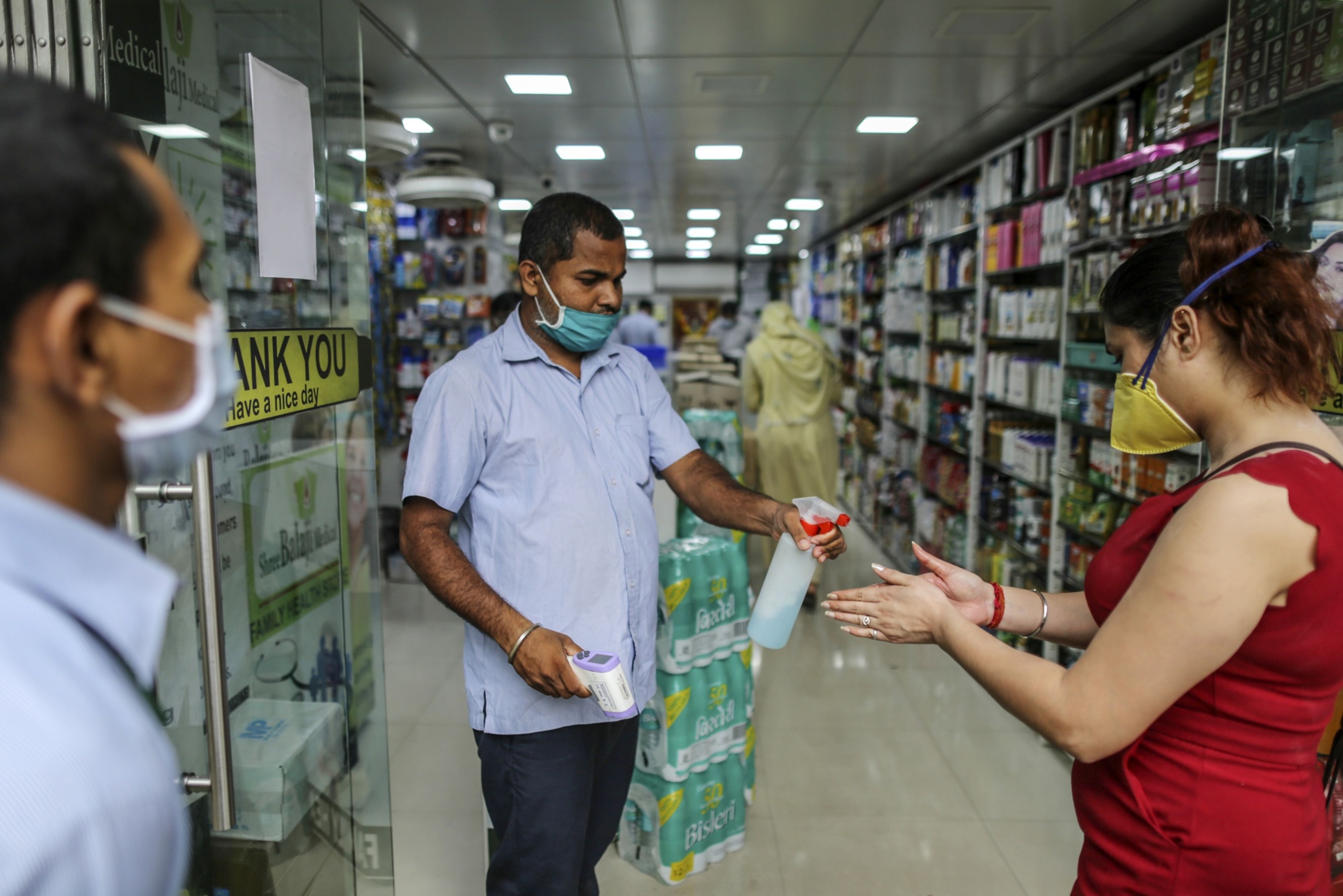
Sanitiser was hard to find in India when the pandemic broke out. Now there's so much of it that prices are tumbling.
The cause for the glut is the sugar industry. Prices of hand sanitiser have fallen by half to about Rs 250-300 a litre, according to distributors BloombergQuint spoke with. And it's forcing consumer goods makers to offer deep margins to retailers, allowing them to sell below the maximum retail price.

-
 Indian Markets Turning Corner After Two Tough Years, Says Sandeep Tandon
-
 NDTV Profit Ignite 2026: Experts See Opportunity In Equities, Stay Bullish For Long-Term
-
 Buy Right, Sit Tight Does Not Work for Individual Stocks, Says Dinshaw Irani
-
 'Worst Is Behind': Quant MF Sees Market Bottom, Flags 'Extreme Euphoria' In Midcaps
-
 India's Mutual Fund Industry Could Become A $1 Trillion Opportunity, Say Fund Managers
-
 'Foreign Investors Are Baraatis': Raamdeo Agrawal's Take On LTCG Tax
-
 Stay Invested Through Market Cycles: Raamdeo Agrawal at NDTV Profit Ignite
-
 Ramesh Damani Remains Bullish On India For Next 20-30 Years, Sees Bargains Amid Market Weakness
-
 CAS Came After A Long Consultation Process: SEBI Chairman Tuhin Kanta Pandey AT NDTV PROFIT IGNITE
-
 Aim To Cut FPI Onboarding Time From Mth To Five Days: SEBI Chairman Tuhin Kanta Pandey AT NDTV PROFI
People stocked up on disinfectants and santitiser after the coronavirus outbreak, causing a shortage and a spike in prices. The government capped the price at Rs 500 a litre and allowed multiple industries to make sanitiser. The glut has now prompted the government to remove the cap and allow exports.
Also Read | Layoffs Are Rising In Tech, But These Skills Are Helping People Unlock Better Pay
According to Nielsen India data, the number of companies making sanitisers in India rose from 59 in January to 1,580 in August. That came after India in March gave 149 sugar mills and distilleries and 927 other units to make sanitiser using ethanol.
The installed capacity of hand sanitiser is now 30 lakh litres a day, according to a July report of the Department of Food and Public Distribution. That's a threefold jump from 10 lakh litres prior to Covid-19.
Hand sanitiser, as a category, was worth a little more than Rs 100 crore before the pandemic, Sameer Shukla, executive director-retail intelligence, South Asia, at Nielsen Connect, told BloombergQuint. It has clocked more than Rs 100 crore in each of the last three months.
Prices Plunge
The primary reason for the drop in sanitiser prices is that sugar mills turn excess cane into ethanol for blending in fuel as it boosts profitability. And it costs mills about Rs 75-85 a kilogram. They could easily divert part of that for making sanitiser.
Sanitiser made by sugar mills now sells at about Rs 500 for five litres (or Rs 50 for half a litre) in the retail market, according to BloombergQuint's channel checks.
By comparison, a 500 ml Lifebuoy sanitiser from Hindustan Unilever Ltd. sells at Rs 250, while Dabur India Ltd.'s 450 ml pack retails at Rs 225. Reckitt Benckiser Ltd. sells a 200 ml pack of Dettol for Rs 100.
“Larger companies are offering retailers margins to the extent of 30-40% on sanitisers due to the intense competition they are facing in the market from smaller companies,” Dhairyashil Patil, president of All India Consumer Products Distributors Federation, told BloombergQuint. “Consumers are also opting for sanitisers sold by smaller companies as they are cheaper.”
HUL didn't respond to queries citing silent period ahead of its July-September earnings. Dabur India and ITC Ltd. didn't respond to BloombergQuint's emailed queries.
Essential Business Intelligence, Sharp Market Insights, Practical Personal Finance Advice, Daily Fuel, Gold and Silver Prices and Latest Stories — On NDTV Profit.