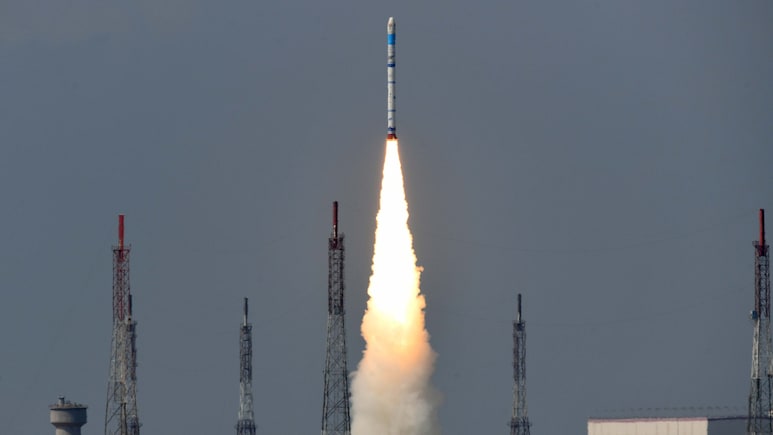
The Indian Regional Navigation Satellite System (IRNSS), branded NavIC, is an indigenous navigation satellite system developed by Indian Space Research Organisation. One of its four operational satellites has reportedly failed, a setback for the navigation network.
Its last functional atomic clock malfunctioned, Department of Space sources indicated, informing ISRO, "On 13th March 2026, the procured on-board atomic clock stopped functioning. However, the satellite will continue to function in orbit for various societal applications to provide one-way broadcast messaging services."
Also Read: Iran-US War: 57% Indians Face LPG Delivery Delays, Black Marketing Amid Crisis: Survey
Also Read | Layoffs Are Rising In Tech, But These Skills Are Helping People Unlock Better Pay
The IRNSS-1F was launched on March 10, 2016, and failed just after completing its 10th year of operation. "IRNSS-1F satellite, launched in March 2016, has completed its design mission life of 10 years on 10th March 2026," the statement posted on the official website said.
For successful operation, IRNSS's indigenous navigation satellites are required to perform this task. The NavIC system, for which the satellite worked, provides navigation services to the public and government agencies such as railways and the military.
ISRO has launched 11 satellites in total for the NavIC system since July 2013, out of which six satellites have failed due to defective imported atomic clocks and orbital issues. The cost of the project is estimated at Rs 2,250 crore.
After the failure of IRNSS-1F, the functional NavIC satellites currently providing PNT services are IRNSS-1B, IRNSS-1L, and IRNSS-1J (NVS-01).
Also Read: Fuel Shortages From War Begin To Threaten Global Food Supply
NavIC and other Global Navigation Satellite System (GNSS) constellation services are used by around 12,000 trains for tracking, while about 8,700 trains are already equipped with NavIC along with other GNSS constellations.
Atomic clocks on satellites are indispensable, as small errors can skew position data by several hundred kilometres. Indian Space Research Organisation began work on the IRNSS programme in 1999 after the Kargil War, when Indian defence forces could not use the US-owned Global Positioning System to provide locational aid to soldiers in the conflict zone.
Essential Business Intelligence, Sharp Market Insights, Practical Personal Finance Advice, Daily Fuel, Gold and Silver Prices and Latest Stories — On NDTV Profit.