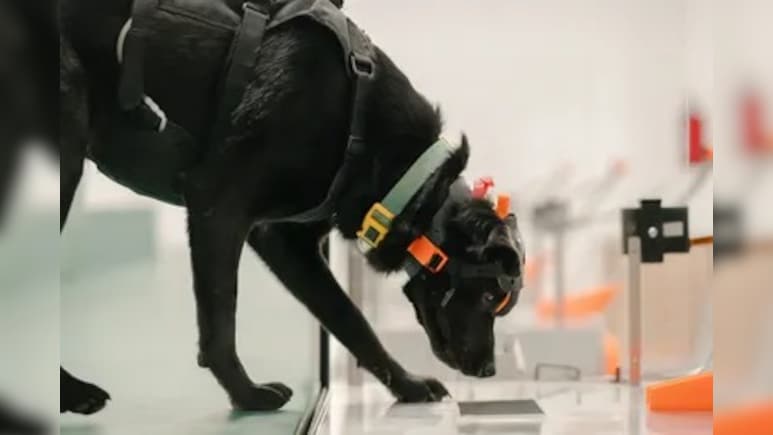
| On a two-acre farm outside Bengaluru in southern India, Billy, Jessie and Banu put on their gear, enter a laboratory packed with samples and clock in for a shift detecting early signs of cancer. Their most important diagnostic equipment is their noses. Billy, Jessie and Banu are part of a team of beagles, labradors, Dutch shepherds and other dog breeds being trained by startup Dognosis to sniff out traces of cancer in human breath. Dognosis is repurposing the canine sense of smell - traditionally used to detect drugs or explosives - for low-cost health screening and aiming to make early detection accessible to far more people. Also Read | Layoffs Are Rising In Tech, But These Skills Are Helping People Unlock Better Pay Dogs have previously been shown to detect illnesses ranging from cancer to Covid-19, and the two-year-old company aims to apply that capability at scale in India. It joins a small set of start-ups harnessing dogs' olfactory abilities to develop a non-invasive diagnostic tool with potential uses in public health. ALSO READ: Long Covid Study Finds Gut Immune System Struggling To Clear Lingering Virus Patients breathe into masks sent to the company's facility, where dogs are exposed to the sample. Sensors and AI then interpret signals including the animals' movements, respiration, brain activity and body language to determine whether the sample carries signs of cancer - without imaging scans, blood tests or biopsies. "It is like finding a needle in a haystack of who in a population has an undiagnosed case of cancer," said co-founder Akash Kulgod. Its backers include early stage investors such as Accel India and San Francisco-based Caffeinated Capital among others. They raised $1.5 million via a pre-seed round in 2024 and then an undisclosed sum recently. This is enough for the next two years if the firm sticks to its planned growth trajectory, Kulgod said. The dogs live together at Dognosis's farm and laboratory, are given walks and playtime and spend 30 minutes to an hour a day on the detection platform, where the work is designed as a game. Their reward: treats. During one recent session, two-year-old beagle Whiskey worked through 10 samples, bounding past the first five. At the sixth, she paused, sniffed, moved away and returned, circling for several seconds before the system marked it positive. 90% Sensitivity In a Phase 2 study published in the Journal of Clinical Oncology, Dognosis reported roughly 90% sensitivity for early-stage cancers across seven broad groups spanning more than 20 cancer types, including breast. According to Kulgod, the dogs also seem capable of expanding their detection abilities: trained on the scent of 10 cancer types, they identified an 11th they hadn't encountered before. The bigger test now is proving that performance holds up outside controlled trials. India has the third-highest prevalence of new cancer cases globally, according to the International Agency for Research on Cancer, while routine screening remains exceedingly rare. The agency estimated 1.5 million new cancer cases and over 900,000 deaths from the disease in India in 2024. 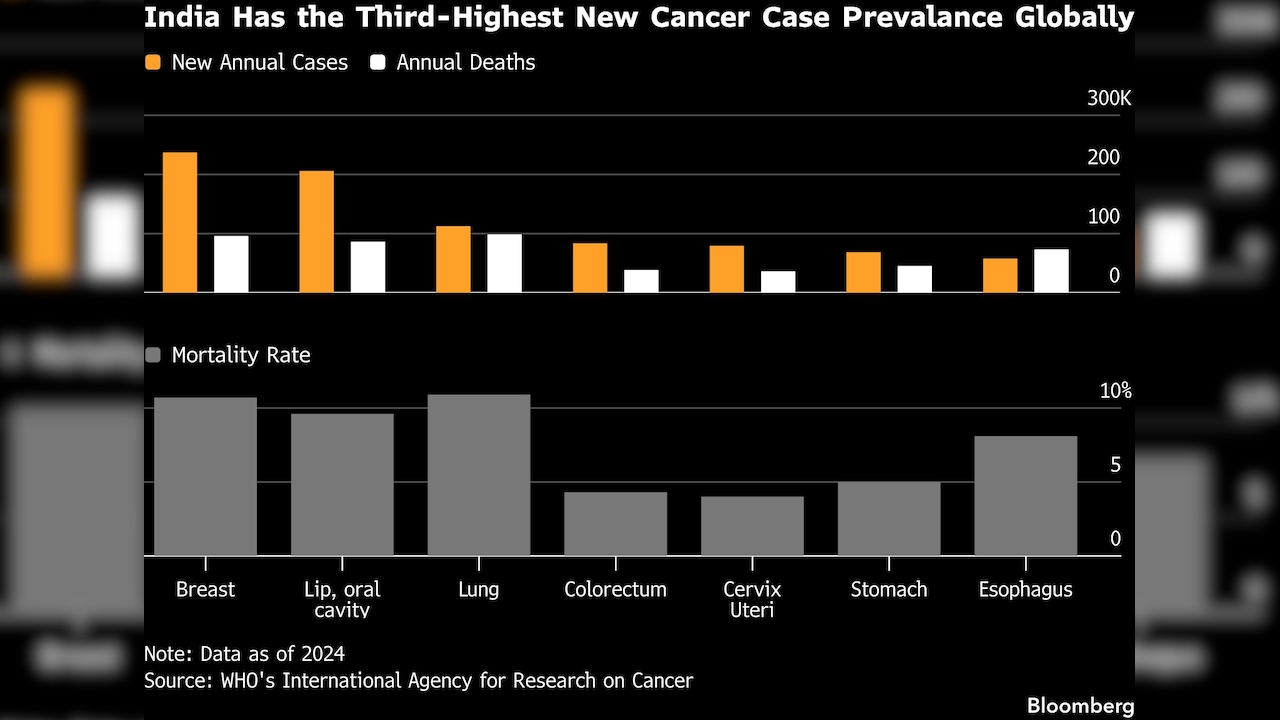
(This story has not been edited by NDTV staff and is auto-generated from a syndicated feed.) Essential Business Intelligence, Sharp Market Insights, Practical Personal Finance Advice, Daily Fuel, Gold and Silver Prices and Latest Stories — On NDTV Profit. News for You
Hello Reader
Sign In / Register
Set as Trusted Source
on Google Search

Listen to the latest songs, only on JioSaavn.com
|