A genetically engineered pig kidney sustained a 66-year-old man with end-stage kidney disease for 271 days without dialysis, setting a record for the longest survival following a pig-to-human kidney transplant, according to reports.
The case also demonstrated that a genetically modified pig organ could potentially serve as a temporary bridge for patients waiting for a human kidney transplant.
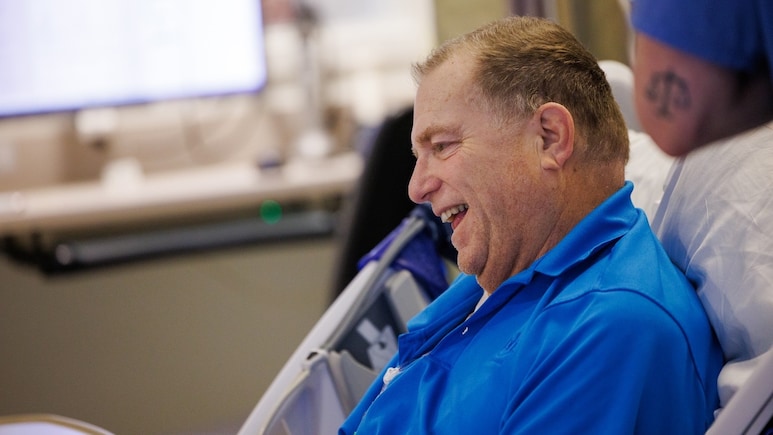
Tim Andrews, from New Hampshire, had developed kidney failure linked to Type 2 diabetes and faced a severely limited chance of receiving a human donor kidney.
Also Read | Layoffs Are Rising In Tech, But These Skills Are Helping People Unlock Better Pay
ALSO READ | Licenses Of 50 Pharma Firms In Gujarat Cancelled, Says Health Minister Praful Pansheriya
Doctors estimated that he had only a 9% chance of receiving a transplant within five years, while the risk of dying or being removed from the waiting list was more than 40%.
Surgeons at Massachusetts General Hospital transplanted a kidney from Wilma, a Yucatan miniature pig, into Andrews in January 2025.
The organ underwent 69 genetic modifications aimed at reducing immune rejection, improving compatibility with the human body and eliminating potential viral risks.
The transplanted kidney functioned for about nine months, allowing Andrews to live without dialysis. Damage to the kidney's blood vessels began developing after roughly six months and eventually progressed towards organ failure, prompting doctors to remove it.
Following several months on dialysis, Andrews received a kidney from a deceased human donor.
The human transplant continued to function well during six months of follow-up, with doctors finding no new antibodies against human tissue. No pig viruses or other pig-derived pathogens were detected.
ALSO READ | FMCG Distributors Seek Govt SOP For Disposal Of Damaged, Expired Food Products
The findings, published in The Lancet, could offer a potential way to address the global shortage of donor kidneys.
Researchers said genetically engineered pig organs could initially serve as temporary bridges for patients waiting for human donors and could potentially become a longer-term treatment option if future trials establish their safety and durability.
Doctors cautioned, however, that the findings are based on a single patient and will need to be validated through larger clinical trials.
Essential Business Intelligence, Sharp Market Insights, Practical Personal Finance Advice, Daily Fuel, Gold and Silver Prices and Latest Stories — On NDTV Profit.