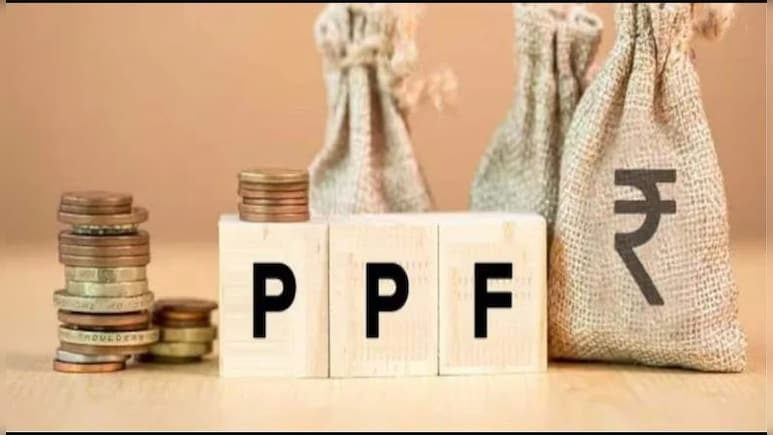
The government has retained the Public Provident Fund (PPF) interest rate at 7.1% for the Oct-Dec 2026 quarter, extending the existing rate for another three months. For long-term savers, the decision raises a familiar question: should they continue investing at the current rate or wait for a possible hike?
With the rate unchanged, PPF continues to offer a government-backed return along with tax benefits. However, waiting for a higher rate may not necessarily be the best strategy for investors who are building a long-term savings corpus.
Also Read | Layoffs Are Rising In Tech, But These Skills Are Helping People Unlock Better Pay
PPF Interest Rate Remains At 7.1%
The 7.1% interest rate will apply from Oct. 1 to Dec. 31, 2026. The government reviews small savings scheme rates every quarter, but it can retain existing rates depending on its decisions.
The PPF rate has remained unchanged at 7.1% since April 2020. While a future revision cannot be ruled out, there is no certainty about when the government might increase the rate or by how much.
For savers, the current rate provides some predictability. Investors should, however, consider their financial goals, liquidity requirements and tax situation instead of basing their decisions solely on the possibility of a rate hike.
Why Long-Term Savers May Not Need To Wait For A Rate Hike
Uncertainty over future revisions: The government reviews small savings rates every quarter, but an increase is not guaranteed. Waiting for a higher rate could delay the start of long-term compounding without necessarily resulting in better returns.
Monthly interest calculation: PPF interest is calculated monthly on the lowest balance between the fifth day and the end of the month. Interest is credited to the account annually. Therefore, deposits made by the fifth of a month can help maximise interest for that month. Waiting on the sidelines means you lose interest for those passing months.
For annual contributions, depositing the money at the beginning of the financial year, preferably by April 5, allows the amount to earn interest for more months than a deposit made later in the year.
Tax benefits: PPF enjoys exempt-exempt-exempt (EEE) status. Eligible contributions qualify for a deduction of up to Rs 1.5 lakh under Section 80C for taxpayers opting for the old tax regime. Interest earned and the maturity proceeds are tax-free under the scheme's existing rules.
Should You Invest In PPF Now Or Wait?
Long-term savers who have already decided that PPF fits their long-term financial plans, waiting indefinitely for a rate hike may not be necessary. Starting or continuing contributions at the current rate allows savings to benefit from compounding over time.
Essential Business Intelligence, Sharp Market Insights, Practical Personal Finance Advice, Daily Fuel, Gold and Silver Prices and Latest Stories — On NDTV Profit.