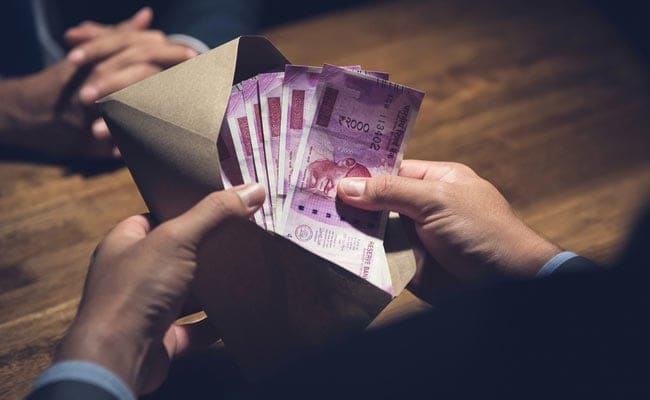
I recently watched a wholesome Gajraj Rao–starrer series, Dupaiyyah. It follows a father who goes to great lengths to arrange a motorcycle as dowry for his daughter's wedding.
Every time I hear about a poor man spending beyond his means on a daughter's marriage —mortgaging his farm, taking fresh loans, doing whatever it takes to make sure no one complains — I usually react with outrage and a touch of smugness.
“Why splurge on a wedding when you can't afford even a small luxury like a motorcycle?” I would think. In my mind, they need to listen to people like us, so-called financial experts, always preaching money habits. But now I realise how easy it is to judge someone's choices from a distance.
Also Read | Layoffs Are Rising In Tech, But These Skills Are Helping People Unlock Better Pay
When “Non-Essentials” Are Essential
There's a lot to learn from Nobel laureates Abhijeet Banerjee and Esther Duflo. They have visited extremely poor families across countries, and found that they spend a lot on entertainment via festivals, weddings, TVs, or sugary tea. A Moroccan man once told them, “A television is more important than food.”
And he wasn't joking. Whether you are rich or poor, no one likes boredom. If you are chronically poor, boredom is another form of suffering. Spending on these things breaks monotony and gives them dignity, joy and a sense of belonging as well.
What People Actually Want
Similarly, a journalist guest on my favourite podcast, The Seen and The Unseen, narrated his election coverage trip to a village in India's North-East. He was amused to see locals demanding a cinema theatre and not a school or a hospital.
Their logic? Since there wasn't any theatre nearby, people travelled to distant towns to watch movies. But many would die in accidents because of dangerous roads. So the demand for a theatre in the village rather than a school, hospital or even better roads got more traction.
Here's a lesson for politicians, policymakers and even finfluencers. People will always make choices that make their daily lives more bearable.
Paying for a Dream
Morgan Housel talks about lotteries in his book Psychology of Money. The lowest-income group in America spends more than $400 a year on lottery tickets, even though nearly 40% of Americans can't raise that much in an emergency. It's easy to scold, “Why can't you save, get more education, invest and earn a million through hard work?”
But here's what the lottery buyers explain: "We live paycheck-to-paycheck and saving seems out of reach. Our prospects for much higher wages seem out of reach. We can't afford nice vacations...Much of the stuff you people who read finance books either have now, or have a good chance of getting, we don't.
Buying a lottery ticket is the only time in our lives we can hold a tangible dream of getting the good stuff that you already have and take for granted. We are paying for a dream, and you may not understand that because you are already living a dream."
Upward Mobility is an Uphill Task
Zoom out and the picture becomes even clearer. In India or China, it takes roughly seven generations for a low-income family to reach the national average income. In Colombia, it can take eleven. Even in the US, it takes five, while in Denmark, just two. Mobility isn't just slow, it's glacial in many parts of the world.
If the climb up the income ladder is so steep, then people consciously or subconsciously think differently about what to do with the money today. If the reward for sacrificing today is only going to show up generations later, then the cost of not enjoying the present feels too high.
From that angle, buying lottery tickets or watching TV, and enjoying festivals, isn't irrational or embarrassing. It is a coping mechanism.
Final Take
People don't wake up each day with an Excel sheet. They aren't always trying to increase future income or wealth. They spend on what makes their lives more tolerable.
This is why our models of ‘rational behaviour' are too narrow. They miss boredom, status, pessimism, and the tiny pockets of joy people refuse to postpone. We can, for sure, increase financial literacy, talk about compounding all day and try to inculcate better habits.
But if the hope of finding a ladder one day and climbing to the top of it feels distant, then these workshops can hardly change their behaviour. Therefore, I believe no one is crazy. Everyone is simply doing the best they can with the life they have and the future they expect.
The views expressed in this article are solely those of the author and do not necessarily reflect the opinion of NDTV Profit or its affiliates. Readers are advised to conduct their own research or consult a qualified professional before making any investment or business decisions. NDTV Profit does not guarantee the accuracy, completeness, or reliability of the information presented in this article.
Essential Business Intelligence, Sharp Market Insights, Practical Personal Finance Advice, Daily Fuel, Gold and Silver Prices and Latest Stories — On NDTV Profit.