VinFast, Tesla and BYD highlight a shift in India's auto industry, with newer entrants weighing imports, assembly and partnerships against deep localisation.
Swapnil Karkare
Swapnil is a Chartered Accountant and freelance economist who writes and speaks on economics, finance, and public policy.
Stories By Swapnil Karkare
 New Foreign Car Companies Aren't Localising | The Reason Why
 No Economy Is An Island | The Week In Whys
I have observed that even though countries celebrate self-reliance in their internal politics, they are keen to strengthen partnerships with other countries (sometimes desperately).
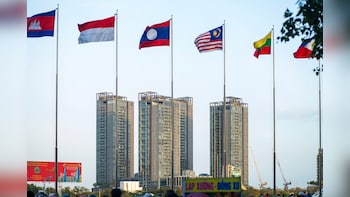 ASEAN Is Spreading Wings | The Reason Why
ASEAN is deepening economic ties with China, Japan, South Korea and India across semiconductors, batteries, critical minerals, AI, energy and supply chains.
 Europe's Gas Security Depends On Asian Demand | The Reason Why
The West Asian war has disrupted LNG flows through the Strait of Hormuz, forcing Europe and Asia to compete for cargoes as gas storage needs rise.
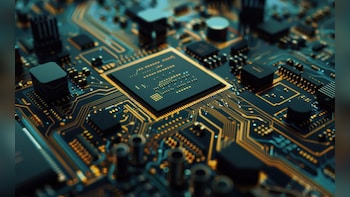 Semicon 2.0 Won't Be A Cakewalk | The Reason Why
Semicon 2.0 goes beyond chip assembly and packaging. That is the lowest value-addition process in the entire supply chain. But India doesn't want to stop at that. It wants to develop the ecosystem around chips.
 India Is Building Buffers, Bracing For Shocks & Chasing Capital | The Week in Whys
India is building rice buffers, markets are adjusting to rising risks, and GIFT City is creating another channel for global capital.
- Bond Yields Matter For India's Stock Market | The Reason Why
Indian government bond yields have risen as global yields climb, narrowing the gap with US Treasuries and putting pressure on equity valuations and risk premiums.
 India And Vietnam Want More Of The World's Money | The Reason Why
In an increasingly self-reliant world, developing countries are competing harder for foreign capital. India and Vietnam have an added advantage.
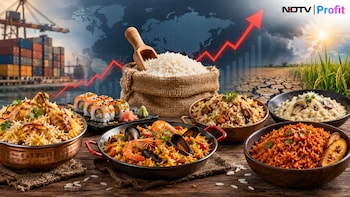 Everyone Is Preparing For A Food Shortage. That Could Cause One | The Reason Why
Global rice prices are climbing as India, Thailand and Vietnam face supply pressures, while Asian countries stockpile the grain amid weather and food security concerns.
 The AI Race Is Bigger Than AI Models | The Week In Whys
The AI race and the humanoid race may look like two different technology stories. But underneath, they are increasingly about the same thing: who controls the ecosystem needed to build the technology.
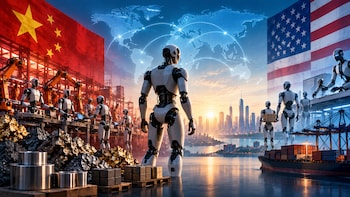 The US Cannot Break China's Grip On Robotics | The Reason Why
The US may have Tesla, leading AI companies, enormous amounts of capital and some of the world's best robotics researchers. China has something less glamorous: an irreplaceable supply chain.
 Asia Must Not Let AI Become a New Cold War | The Reason Why
AI is splitting into two competing blocs as China controls critical minerals while the West dominates chips and AI technology. Here's what it means for India.
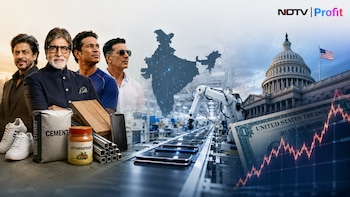 The Phones India Makes, The Ads Indians Saw & What Americans Pay | The Week In Whys
India's smartphone manufacturing is moving beyond assembly, while Vietnam advances up the supply chain and US bond yields face pressure from inflation and debt.
 India Wants To Be Vietnam; Vietnam Wants To Be China | The Reason Why
India first focused on building scale. Now, it wants more suppliers, components, design and R&D in the country.
 Four Celebrities Reveal A Lot About Three Decades Of India's Consumer Market | The Reason Why
As these celebrities have grown older, so have the consumers who once followed them. That audience is now more mature, wealthier and making bigger decisions.
 US Bond Buyback Will Not Lower Yields | The Reason Why
US Treasury buybacks can influence bond yields temporarily, but inflation, heavy borrowing, AI investment and geopolitical shifts may keep interest rates elevated.
 Foundations That Matter To India | The Week In Whys
The foundations that quietly shape India's future often lie beyond the headlines.
 India-Pakistan Fighting For Same Textile Market — And Trade Deals Are Changing It | The Reason Why
India's large-scale, integrated production and skilled workforce allow it to make higher-value products that many quality-conscious Western buyers are willing to pay for.
 Tukaram Mundhe Is Not The Problem. Our Love For Heroes Is | The Reason Why
India has a long history of putting its faith in exceptional individuals when institutions fall short — but real reform begins when citizens learn to trust the institution, not just the hero.
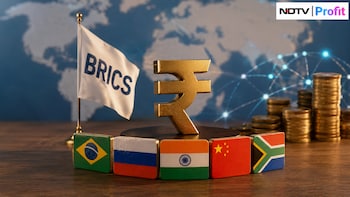 Let's Dump The Idea Of A BRICS Currency | The Reason Why
India's stance on a BRICS currency comes as members face major differences in exchange rates, economic structures, capital flows and political trust.