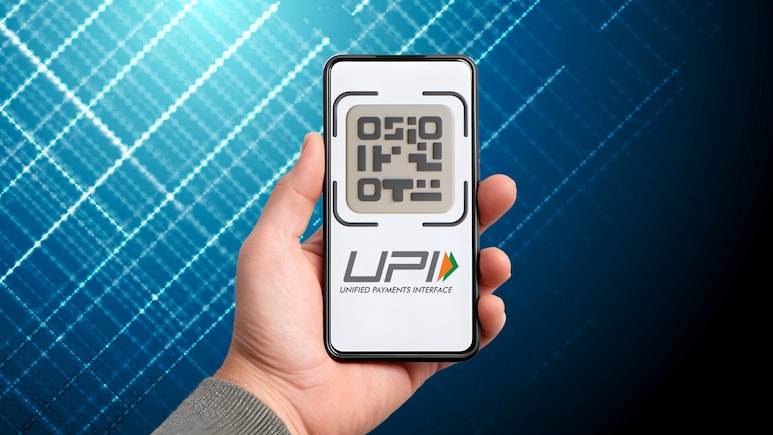
Artificial intelligence agents can already search, compare and recommend options for tasks such as booking flights or shopping online. But the process comes to a halt when it is time to make the payment through the Unified Payments Interface, since only users and authorised payment apps, not AI agents, can currently initiate UPI transactions. To bridge that gap, the National Payments Corpation of India is reportedly developing a Unified Agent Protocol, a proposed framework to verify and authorise AI agents within the UPI ecosystem.
How It Could Work
The protocol is being designed to create a trusted, interoperable infrastructure through which AI agents can be registered, verified and authorised to transact across UPI, without changing the system's underlying rails, according to a Business Standard report. It would not replace UPI, but sit atop it as a verification layer, allowing the payments ecosystem to confirm that an agent is acting with the user's consent before a transaction goes through. The likely flow: a user gives an instruction, the AI assistant compares options and generates a payment request, the protocol verifies the agent is registered and authorised, the request is routed through UPI, and the payment either needs the user's approval or completes automatically if it falls within pre-set limits.
Also Read | Layoffs Are Rising In Tech, But These Skills Are Helping People Unlock Better Pay
ALSO READ | Banks Q1 Preview: Double-Digit Loan Growth, Credit Boom To Collide With Shrinking Margins
Spending Limits, Not Full Access
The system is expected to work along the lines of existing UPI features such as AutoPay and Reserve Pay, where users pre-authorise a spending limit rather than hand over unrestricted access to their bank account. The protocol is expected to define the limits of an AI agent's authority and establish accountability if those limits are breached, though the final safeguards will depend on how the NPCI and the Reserve Bank of India design the framework. The central bank's approval will be required before any rollout.
As with any new payments layer, the shift carries risks, including fake AI agents, unauthorised or mistaken payments, overly broad user permissions and unresolved questions of liability if something goes wrong. If implemented, the protocol could place India among the first countries to build national infrastructure for agentic payments, turning UPI from a system users operate manually into one that trusted AI agents can use on their behalf.
ALSO READ | Meta To Launch Custom AI Chip 'Iris' In September To Cut Nvidia, AMD Reliance
Essential Business Intelligence, Sharp Market Insights, Practical Personal Finance Advice, Daily Fuel, Gold and Silver Prices and Latest Stories — On NDTV Profit.