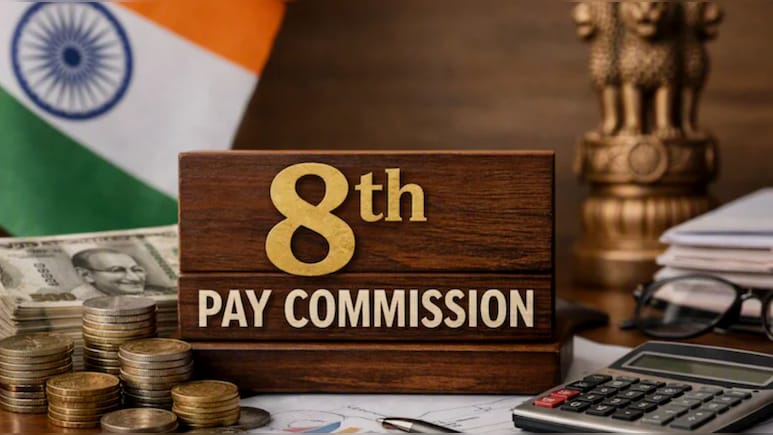
The 8th Central Pay Commission is set to begin a three-day visit to Chandigarh on Sept. 16, 2026, as part of its consultations on pay and pension-related matters. The commission will hold meetings with civil service unions, pensioner groups and representatives of the regional administration through Sept. 18.
The discussions are expected to focus on pay conditions and submissions from public sector stakeholders in northern India.
The 8th Central Pay Commission is headed by former Supreme Court Justice Ranjana Prakash Desai. Its other members include Pankaj Jain, a former IAS officer serving as Member-Secretary, and Professor Pulak Ghosh, a tenured Professor of Finance and a member of the Economic Advisory Council to the Prime Minister.
Also Read | Layoffs Are Rising In Tech, But These Skills Are Helping People Unlock Better Pay
Representatives from Punjab, Haryana, Himachal Pradesh and Chandigarh are expected to raise several pay and pension-related concerns during the commission's meetings in the Union Territory.
ALSO READ: UPI MDR: Who Will Pay? Here's What The New Rules Mean For Customers
Employee associations, pensioner groups and other stakeholder bodies, including those representing railway and defence personnel, will put forward their views before the panel. The feedback gathered during these consultations will form part of the inputs considered while framing its recommendations.
The commission's work could have a bearing on the financial interests of more than 1 crore employees and pensioners. The affected population includes approximately 50 lakh central government employees and about 65 lakh pensioners, covering defence and railway personnel as well as retirees.
The commission has yet to publish a detailed agenda for its Chandigarh visit. The discussions are expected to draw on the Terms of Reference issued last year, along with concerns raised in memorandums submitted by major employee and pensioner organisations.
Key issues likely to come up include:
- Fitment Factor: Employee representatives are seeking a higher fitment factor, which would raise the base used to calculate salaries under the next pay revision.
- DA and Basic Pay: Unions are calling for changes to the Dearness Allowance framework, including more frequent revisions and a possible merger with basic pay after a specified threshold is reached.
- Allowances and Benefits: Several submissions seek a review of HRA, transport allowances and hardship-related payments, with demands for rates that better reflect rising costs in cities and difficult postings.
- Pension Provisions: Pensioner organisations are seeking stronger safeguards for retirement income, enhanced family pension provisions and better healthcare support after retirement.
- Pay and Career Progression: Employee bodies are also raising concerns over promotion structures, service conditions and the competitiveness of government compensation as part of efforts to sustain workforce morale and recruitment.
ALSO READ: Rs 1 Crore Corpus: How Much Can A Market Crash Take Away From Your Wealth?
Under the timeline set out in its Terms of Reference, the commission has 18 months from its constitution on Nov. 3, 2025, to submit its recommendations. This puts the formal deadline in May 2027. If the implementation process follows the pattern seen with earlier pay commissions, the revised recommendations could then be rolled out in stages over the following two years, potentially taking the process into 2029 or 2030.
Essential Business Intelligence, Sharp Market Insights, Practical Personal Finance Advice, Daily Fuel, Gold and Silver Prices and Latest Stories — On NDTV Profit.