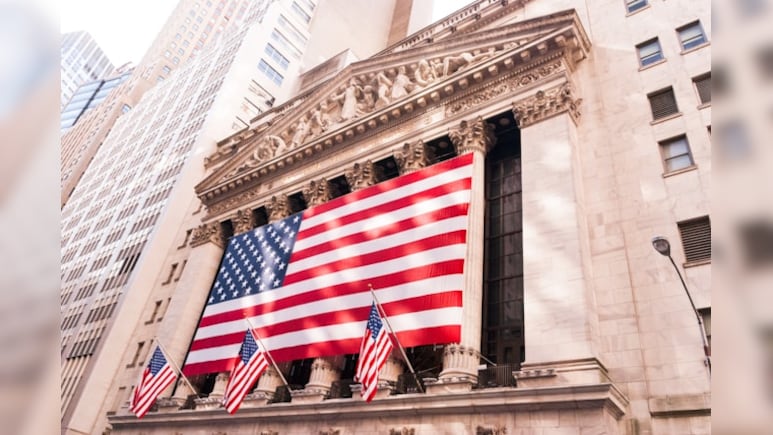
US equities tumbled on Thursday, with the S&P 500 Index posting its worst loss since January, amid doubts over a potential ceasefire deal between the US and Iran and a climb in Treasury yields.
The benchmark S&P 500 Index's loss was the worst since the Iran war began. Its 1.7% decline dragged it to its lowest closing level since September, with eight out of 11 sectors in the red. The tech-heavy Nasdaq 100 Index slid 2.4%, led by megacap names such as Nvidia Corp. and Meta Platforms Inc, also a near-seven month low.
Futures on the index pared some of the day's losses after the close of regular trading after President Donald Trump pushed back his deadline for Iran to strike a deal with the US or face more attacks, saying talks with the country were going “very well.”
Benchmark 10-year yields rose to 4.41% as US government auctions drew relatively poor demand and a European Central Bank official said it could hike rates in April if the price outlook continues to deteriorate due to the Iran war. Brent crude oil prices climbed to $107 per barrel and the Cboe Volatility Index rose to about 27.
Traders were parsing the latest exchanges between President Donald Trump and Iran as they gauged the possibility of a ceasefire in the nearly month-long war. Late Thursday afternoon, Trump extended his deadline for Iran to reopen the Strait of Hormuz until April 6, saying that talks are “going very well” on a deal between Washington and Tehran. Earlier in the day, he had threatened Iran with intensified military action and said he's unsure whether a diplomatic agreement can be reached, adding to pressure on stocks.
ALSO READ: Trade Setup For March 27: Nifty Faces Resistance At 23,800 After Relief Rally Pushes Index Higher
“Overall the market was hit with the double-whammy of the ECB rate hike hint and a Trump presser that sure sounded to me like a precursor to a ‘more invasive' next step to the conflict,” said Mark Malek, chief investment officer at Siebert Financial.
“That simply means longer expensive oil, which is a touch point for the whole market and ultimately interest rates, which ultimately trashes all growth stocks,” he said.
The Bloomberg gauge of Magnificent Seven megacap stocks was down about 3% to finish at the lowest level since late August. Shares of Meta were the biggest losers in the group as investors saw a long-term overhang related to verdicts in a social media addiction trial.
The rise in 10-year yields and the prospect of a longer closure of the Strait of Hormuz spelled trouble for the big US tech stocks that were earlier seen as a safe haven since the war, said Melissa Brown, head of investment-decision research at Simcorp.
“Today's tech is not the safe haven,” Brown said. “Closing of the Strait of Hormuz is not just about oil. It's about other resources and some of those resources are extremely important to tech companies.”
Iran is drafting a bill to impose a fee on vessels seeking safe passage through the Strait of Hormuz, according to the Fars news agency. Meanwhile, Trump administration officials are examining what a potential spike in oil prices to as high as $200 a barrel would mean for the economy, according to people familiar with the matter.
“We would say that investors should avoid trading headlines and stay disciplined because this may go on for another few weeks,” said Sameer Samana, head of global equities and real assets at Wells Fargo Investment Institute.
BlackRock Inc. President Rob Kapito said investors may be underestimating the risks stemming from the Iran war, while oil may still spike to $150 a barrel even after the war is over as it would take time for disrupted supply chains to return to full capacity.
Chip stocks fell after Google researchers touted a new compression technique that could reduce the amount of memory needed for artificial intelligence worldwide. Micron Technology Inc. and Sandisk Corp. both sank, with Asian manufacturers such as SK Hynix Inc. and Kioxia Holdings Corp. moving lower overnight.
ALSO READ: All You Need To Know Before Going Into Trade On March 27
Essential Business Intelligence, Sharp Market Insights, Practical Personal Finance Advice, Daily Fuel, Gold and Silver Prices and Latest Stories — On NDTV Profit.