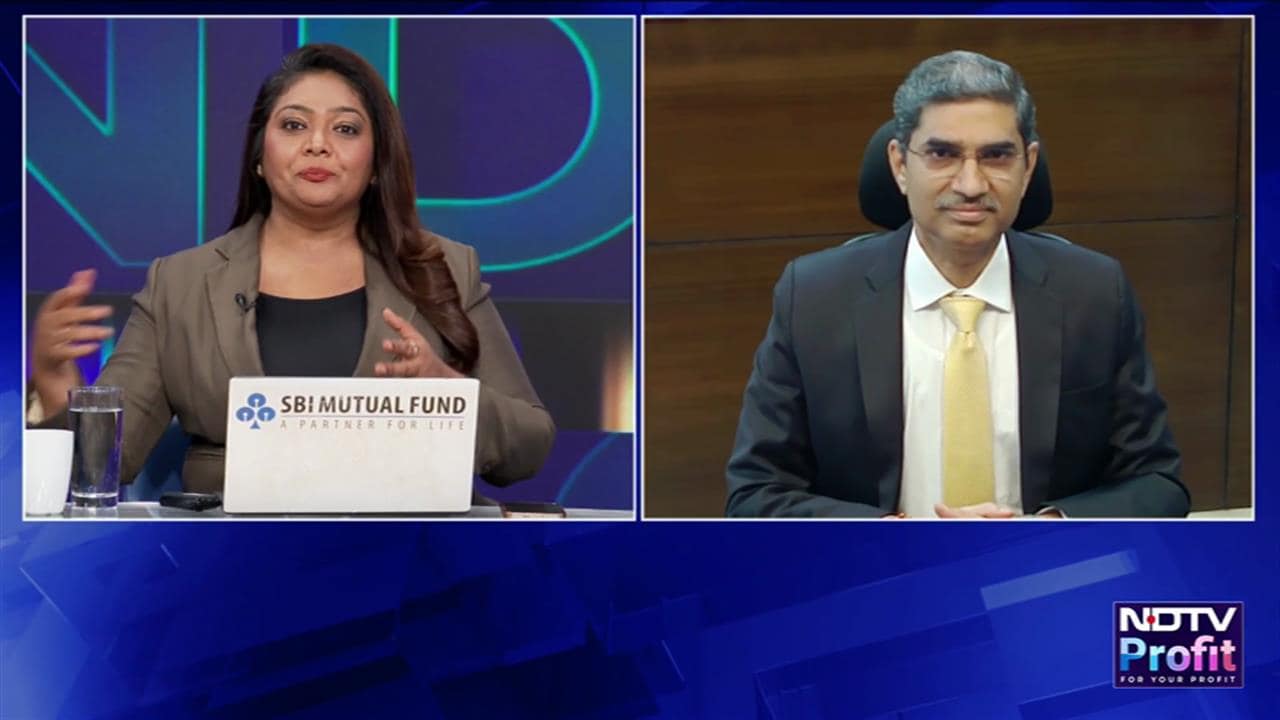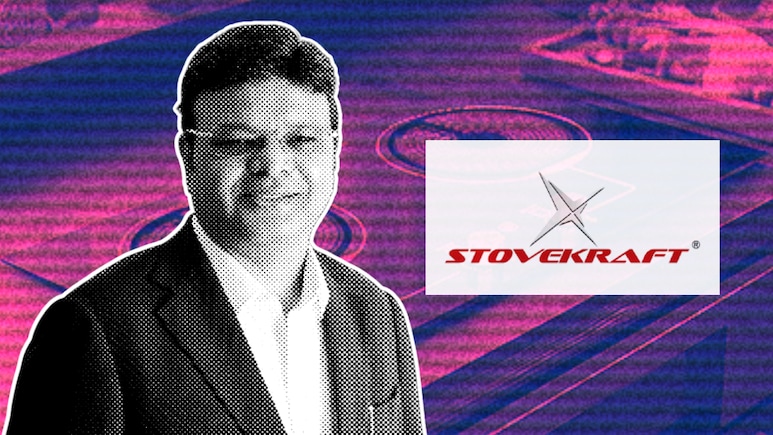
A sharp rise in demand for induction cooktops is sweeping across India, driven by concerns over LPG availability and a broader policy push toward energy-efficient cooking solutions. Stovekraft Managing Director Rajendra Gandhi said the shift is already visible at the consumer level, with households increasingly turning to induction appliances to avoid supply disruptions. The government, too, is exploring ways to scale domestic production and encourage a transition toward electric cooking across industrial kitchens and institutions.
Despite the demand tailwind, supply constraints remain a key challenge. Gandhi highlighted that nearly 50–60% of components used in induction cooktops are imported, particularly electronic parts and crystalline glass. “The supply chain is global, and there are inherent delays between production and delivery,” he noted, adding that shortages are currently being felt across key components.
While companies like Stovekraft are ramping up procurement and working closely with suppliers, the broader market is facing similar constraints amid a regional demand surge across Southeast Asia, putting additional pressure on supply availability.
Also Read | Layoffs Are Rising In Tech, But These Skills Are Helping People Unlock Better Pay
Capacity Expansion Underway, Stabilisation Expected
To meet rising demand, Stovekraft is moving to scale up production aggressively. The company plans to double its monthly output from 200,000 units to 400,000 units, with internal capacity expansion and supplier tie-ups already underway. Gandhi expects supply conditions to stabilise in the near term—potentially within the next few weeks—as procurement pipelines improve. However, at an industry level, achieving full equilibrium may take longer given the global nature of sourcing.
Localisation remains limited, particularly for key inputs such as glass tops, where domestic manufacturing capability is currently absent. Even if new facilities are set up, timelines of 4–6 months would be required to operationalise production.
ALSO READ: LPG Crisis Pushes Kitchens To Electric Cooking, But Is It Really Cheaper?
The surge in demand has also triggered significant input cost inflation. Prices of crystalline glass have reportedly doubled globally, while domestic inputs such as plastics have seen 60–70% price increases. Currency pressures are adding to the burden, with the rupee depreciating sharply against the Chinese yuan, from where a majority of components are sourced.
Gandhi estimates a 15–20% increase in input costs, which could weigh on margins unless passed on to consumers. Companies are attempting to maintain profitability through calibrated pricing strategies, even as they benefit from strong volume growth.
The induction cooktop segment, though still a small contributor (around 9–12% of Stovekraft's revenue), is emerging as a key growth lever amid shifting consumption patterns. However, the sector faces a classic near-term trade-off—strong demand visibility versus supply and cost pressures.
ALSO READ: LPG Shortage: Is There An Induction Supply Disruption? Crompton Greaves CFO Explains
Essential Business Intelligence, Sharp Market Insights, Practical Personal Finance Advice, Daily Fuel, Gold and Silver Prices and Latest Stories — On NDTV Profit.