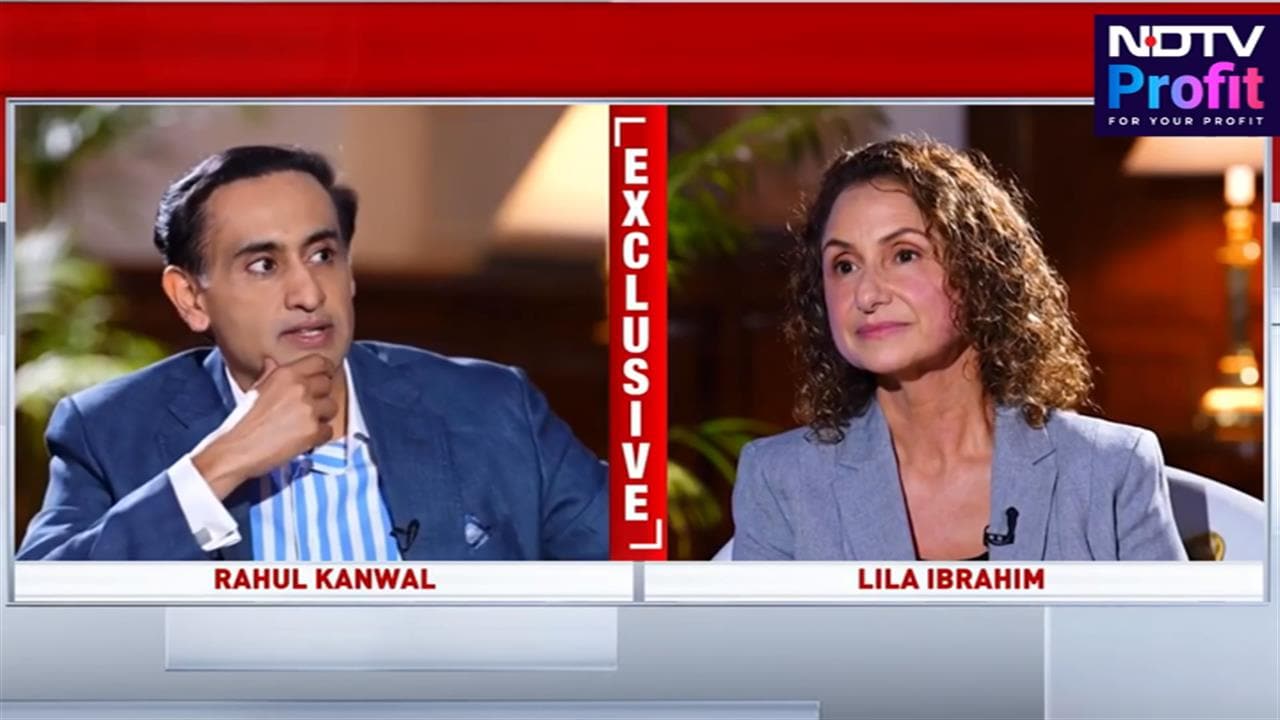
Indian mutual fund investors are continuing to invest through market volatility, with record systematic investment plan (SIP) contributions and lower redemptions pointing to greater willingness to stay invested for the long term, according to Aashish P. Somaiyaa, CEO of WhiteOak Capital Asset Management, and Vishal Kapoor, CEO of Bandhan AMC.
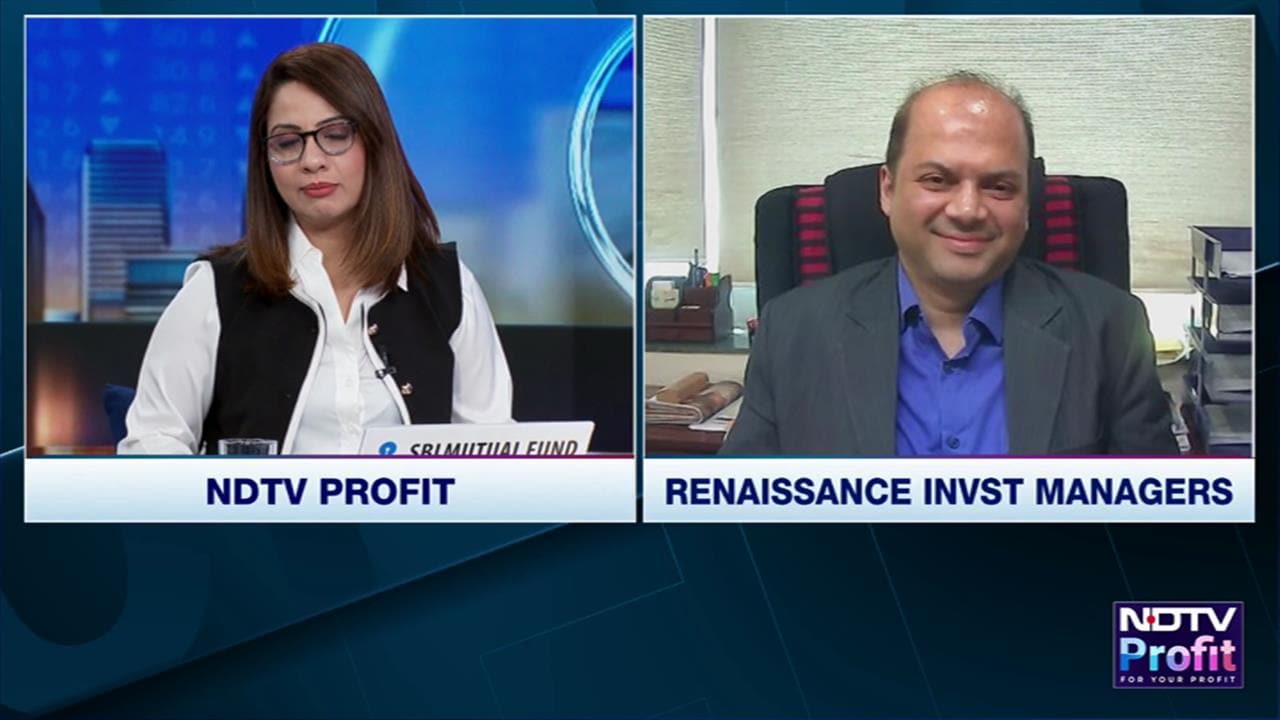
Speaking to NDTV Profit after the September mutual fund data was released, the two executives said investor behaviour had remained encouraging despite a prolonged period of weak equity market performance. They also cautioned that it remains to be seen whether investors will maintain the same discipline if volatility persists and returns remain subdued over the next three to nine months.
The Association of Mutual Funds in India (AMFI) reported that monthly SIP inflows rose to a record Rs 32,490 crore in September 2026 from Rs 32,297 crore in August. Equity mutual funds attracted net inflows of Rs 38,307 crore during the month, compared with Rs 29,328 crore in August.
Also Read | Layoffs Are Rising In Tech, But These Skills Are Helping People Unlock Better Pay
The sustained inflows suggest that investors are continuing to commit fresh money to mutual funds despite market weakness. Lower redemptions have also helped support net flows, Kapoor said.
SIPs Show Resilience
Kapoor said the consistency of SIP contributions and relatively contained stoppage and discontinuation trends pointed to greater maturity among Indian investors.
He said SIPs were increasingly becoming a long-term savings habit, with investors looking beyond short-term market movements rather than abandoning their investment plans during corrections.
Somaiyaa said investors should not assess their investment experience solely by tracking the Nifty's performance. Returns from regular investments can differ from the index's point-to-point performance because SIPs spread investments across different market levels.
He said SIP investments in flexi-cap, multi-cap, mid-cap and small-cap funds had generated high-single-digit to low-double-digit internal rates of return over the preceding two years to two years and three months. This included investors who began investing around the September 2024 market peak and continued their contributions through subsequent volatility.
The returns indicate that investors who maintained their SIPs could have had a different experience from what headline index performance alone might suggest, Somaiyaa said.
Redemptions Ease
Kapoor said lower redemptions, alongside rising SIP contributions, indicated that investors were continuing to allocate money even when equity markets weakened.
He credited investors, distributors and the media with helping change investment behaviour, as more retail participants focused on longer investment horizons.
Somaiyaa said September's equity fund flows reflected both tactical buying during market weakness and a reduction in redemptions. Lower selling pressure, combined with fresh investments, helped sustain overall inflows, he said.
He also pointed to the expansion of India's mutual fund investor base, which now includes around 6.25 crore unique investors. A meaningful section of this investor base has experienced multiple market cycles, he said.
READ | SIP Inflows Hit Record High Of Rs 32,490 Crore In September: AMFI Data
Long-Term Test
The executives said it was too early to conclude that investor resilience would continue irrespective of market conditions.
Kapoor said the relatively contained SIP stoppage and discontinuation trends were encouraging, but the next three to nine months would provide a clearer indication of whether investors could maintain their discipline if market volatility continued.
The sustainability of SIP contributions and redemption trends will therefore remain important indicators of retail investor behaviour as equity markets navigate an uncertain period.
Essential Business Intelligence, Sharp Market Insights, Practical Personal Finance Advice, Daily Fuel, Gold and Silver Prices and Latest Stories — On NDTV Profit.