- Ramesh Damani sees better returns for India's markets over the next 20-30 years than past decades
- He highlights India's demographic scale, digital growth, and democracy as long-term growth drivers
- Recent market corrections have created attractive valuations, despite potential short-term declines
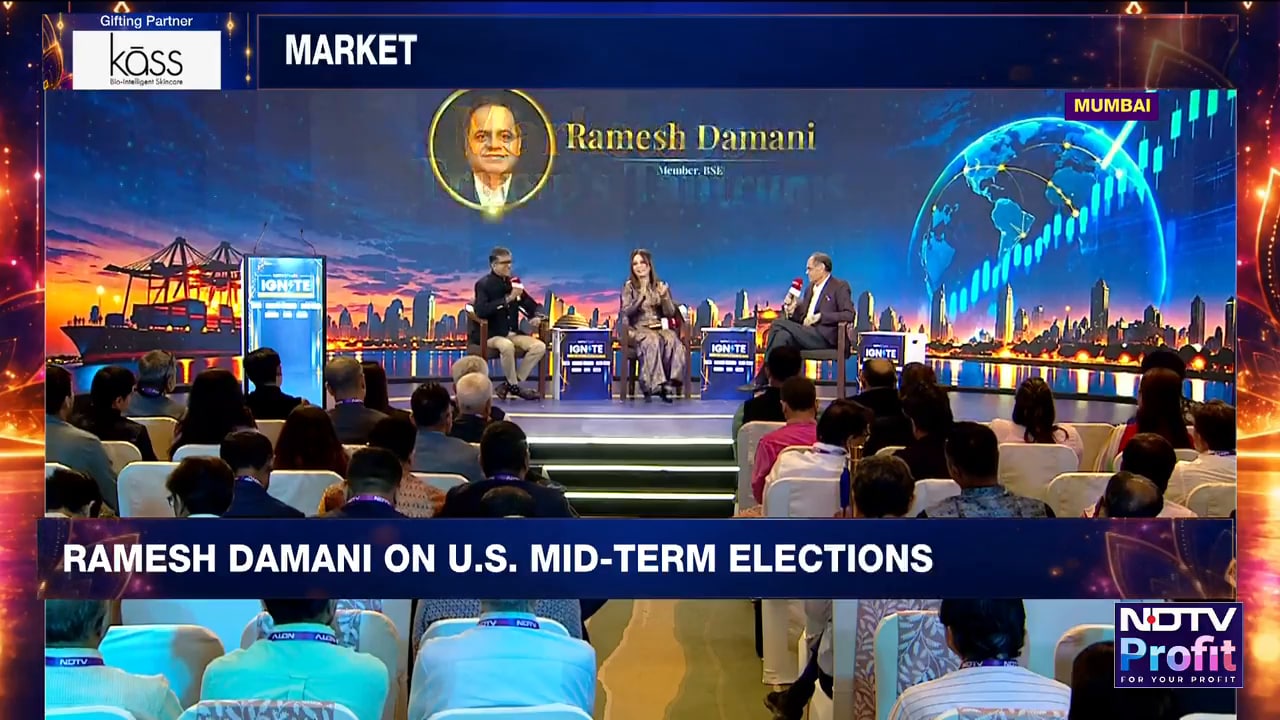
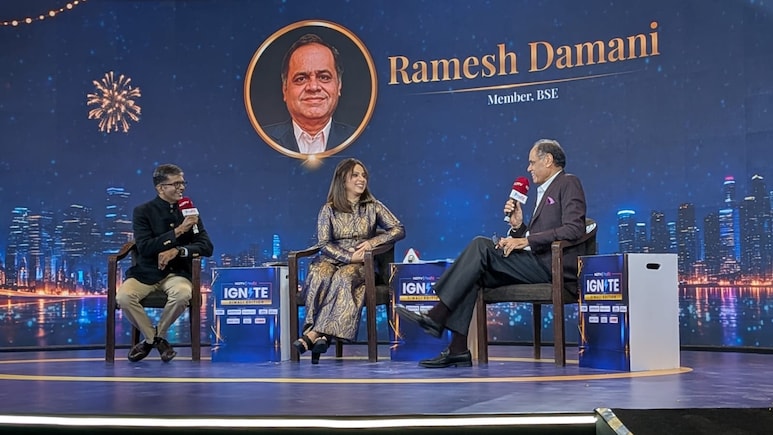
Veteran investor Ramesh Damani believes India's financial markets could deliver better returns over the next 20-30 years than they have over the past three decades, arguing that recent market weakness has created attractive investment opportunities rather than reasons for pessimism.
Damani while speaking at NDTV Profit Ignite 2026 said India's demographic scale, digital infrastructure and democratic framework give it structural advantages that should support its long-term growth. Despite concerns over global markets, crude oil prices and India's relative underperformance against markets benefiting from the artificial intelligence (AI) boom, he believes investors should not lose sight of the country's broader prospects.

-
 India Could Gain If AI Trade Unwinds, US Midterms May Hurt Markets: Ramesh Damani
-
 'Switch Off The Noise, Focus On Earnings': Raamdeo Agrawal's Advice To Investors
-
 Stay Invested Through Market Cycles: Raamdeo Agrawal at NDTV Profit Ignite
-
 Courage, Not Tech, Will Decide Corporate Winners In The AI Era: Harvard Professor
-
 SEBI Chairman Cautions People On Fraudulent Investments
-
 Ramesh Damani Remains Bullish On India For Next 20-30 Years, Sees Bargains Amid Market Weakness
-
 CAS Came After A Long Consultation Process: SEBI Chairman Tuhin Kanta Pandey AT NDTV PROFIT IGNITE
-
 SEBI Says CAS Works Technologically, Explains Concern Over Expiry-Day Derivatives
-
 Aim To Cut FPI Onboarding Time From Mth To Five Days: SEBI Chairman Tuhin Kanta Pandey AT NDTV PROFI
-
 "I Am A Material Man In A Material World': Quantum Advisors' Ajit Dayal On NDTV Profit Ignite
“The next 20-30 years will probably be better for financial markets and for Indians particularly than the last 20-30 years, as good as they were,” Damani said. He also reiterated his long-held investment philosophy that the best time to invest in India was in 1991, when the country began its economic liberalisation, and the next best time is now.
Also Read | Layoffs Are Rising In Tech, But These Skills Are Helping People Unlock Better Pay
Damani said the recent correction has brought valuations of several Indian businesses to attractive levels. While acknowledging that markets could fall further in the near term, he argued that investors should not become pessimistic simply because equities have remained weak for an extended period.
“India is a great diversified market, you get so many companies, and now that there's such a knockdown valuation, other than the fear you have that it could go down more tomorrow, I think they're offering great bargains,” he said. He added that experienced investors are unlikely to be unsettled by a fall of a few thousand points in the market, as equities do not deliver fixed returns over short periods.
READ | Can India Mobilise Its Savings To Power Its Own Growth Story? Ben Powell Flags The Biggest Challenge
“Markets don't give fixed returns,” Damani said, adding that investors seeking certainty should consider fixed deposits rather than expect stock markets to provide predictable returns. His comments come amid concerns over the performance of Indian equities relative to global markets, particularly those that have benefited from enthusiasm around AI-related companies.
AI Trade Could Lose Momentum, Bringing India Back Into Focus
Damani said one factor weighing on Indian equities has been the absence of a comparable AI investment theme in the domestic market. He noted that markets in the US, Japan, South Korea and Taiwan have benefited from investor interest in companies linked to the technology. However, he suggested that any reversal in the AI trade, driven by excessive valuations, high debt or a reassessment of the technology's commercial prospects, could lead investors to reconsider markets such as India.
“If the AI plays rolled back itself because of excessive valuation, excessive debt or rethink of the AI play itself, then markets like India would again find favour,” he said. Damani also cautioned that the AI investment theme may have already played out to a significant extent and that investors could find it difficult to exit if sentiment turns sharply.
He said he does not have exposure to international technology or AI stocks, while maintaining his confidence in India's diversified pool of listed businesses.
According to Damani, India's long-term investment case rests on factors beyond any single technology theme. Its large population, digitalisation initiatives and democratic system provide a foundation for businesses to grow and generate returns for shareholders. He contrasted India's investment environment with China's, arguing that policies focused on subsidies and supply-chain control do not necessarily translate into attractive returns for equity investors.
Damani Sees Scope For Rupee Appreciation
Damani also expressed optimism about the Indian rupee, arguing that it appears undervalued on a purchasing power parity basis. He believes the currency could begin appreciating over the next three years, potentially improving sentiment towards Indian assets. He acknowledged that elevated crude oil prices remain a concern for India, given the country's exposure to imported energy. However, he said the situation should be viewed in the context of India's ability to absorb higher oil prices compared with previous decades.
READ | India's Record Bank Cash Surplus Fades As RBI Curbs Rupee Bets
“It's worrisome, but it's not the end of the world,” he said, referring to crude oil prices.
Damani also expects oil prices to eventually decline and sees the potential for foreign institutional investor flows into Indian equities to improve.
For long-term investors, his message remains consistent: market declines are not, by themselves, a reason to abandon equities. Instead, periods of weakness can offer opportunities to invest in quality businesses at more attractive valuations, provided investors are prepared to withstand volatility and do not expect fixed returns from the stock market.
Essential Business Intelligence, Sharp Market Insights, Practical Personal Finance Advice, Daily Fuel, Gold and Silver Prices and Latest Stories — On NDTV Profit.