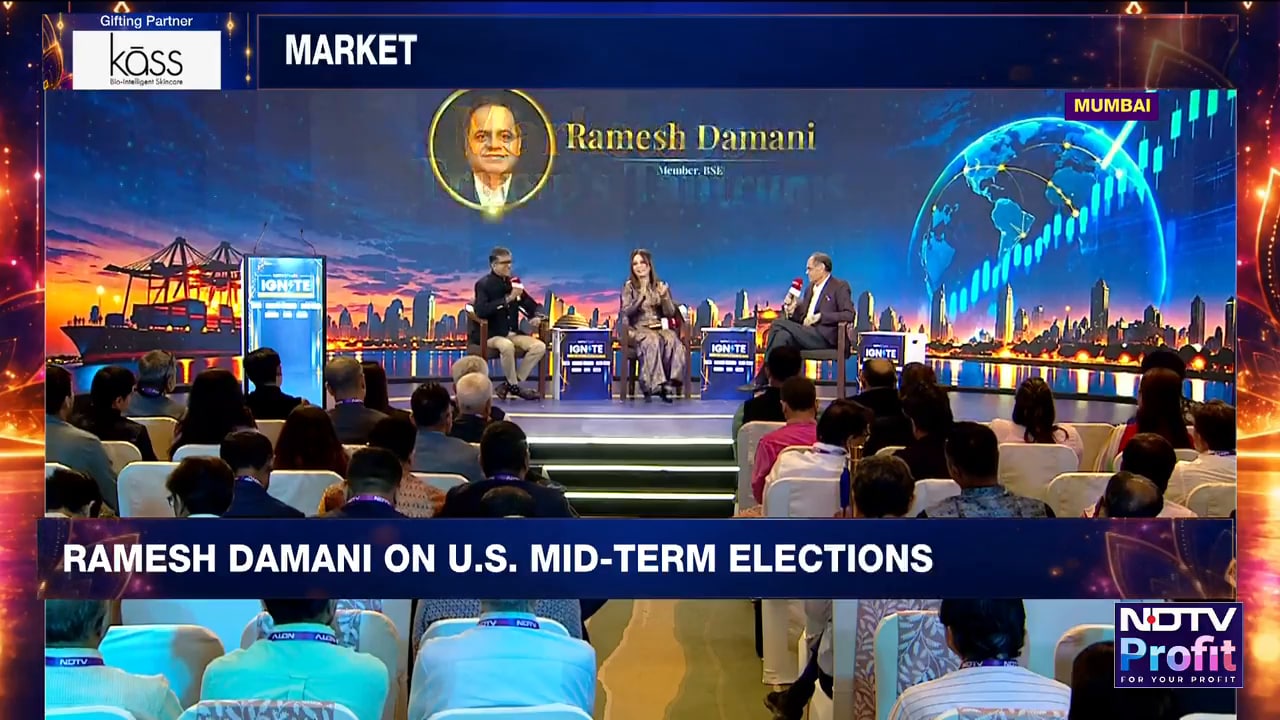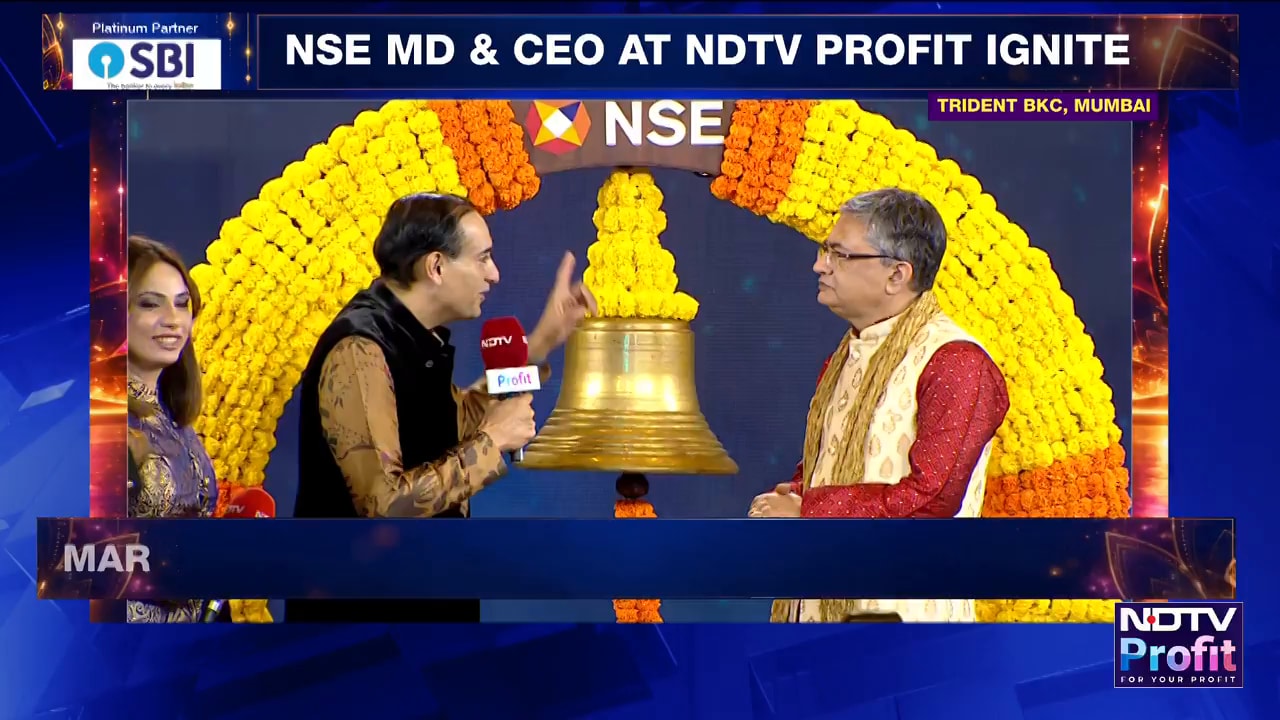
The Closing Auction Session (CAS) has been working technologically in the cash market, but using its closing auction price to settle derivatives contracts expiring on the same day raised concerns about how traders and algorithms would respond to the new mechanism, Securities and Exchange Board of India (SEBI) Chairman Tuhin Kanta Pandey said on Wednesday.
Speaking at NDTV Profit Ignite in Mumbai, Pandey said the regulator had introduced CAS to help investors, particularly passive foreign investors, execute trades at a specific closing price and reduce tracking error. However, he said the implications for the derivatives market needed to be considered separately.

-
 SEBI Chairman Cautions People On Fraudulent Investments
-
 Ramesh Damani Remains Bullish On India For Next 20-30 Years, Sees Bargains Amid Market Weakness
-
 CAS Came After A Long Consultation Process: SEBI Chairman Tuhin Kanta Pandey AT NDTV PROFIT IGNITE
-
 SEBI Says CAS Works Technologically, Explains Concern Over Expiry-Day Derivatives
-
 Aim To Cut FPI Onboarding Time From Mth To Five Days: SEBI Chairman Tuhin Kanta Pandey AT NDTV PROFI
-
SEBI To Float Consultation Paper On FPI Norms To Align Indian Markets Globally
-
 Gold ETF Fund-Of-Funds Investment Curbs Are Temporary, SEBI Chair Pandey Says
-
 SEBI To Review Closing Auction Rules After One Year, Chairman Pandey Reiterates
-
 "I Am A Material Man In A Material World': Quantum Advisors' Ajit Dayal On NDTV Profit Ignite
-
 Structurally Positive On India In The Long-term:Ben Powell, On NDTV Profit Ignite
“We have about three months of experience in the cash market, and it is working all right technologically,” Pandey said, adding that several rebalancing exercises had taken place and the cash had been delivered.
Also Read | Layoffs Are Rising In Tech, But These Skills Are Helping People Unlock Better Pay
The concern, he said, arose from using the closing auction price as the settlement price for derivatives contracts expiring on the same day.
READ | SEBI To Review Closing Auction Rules After One Year, Chairman Pandey Reiterates
Pandey said India's derivatives market operates differently from those in other markets, with trading continuing until the final second. Under CAS, there can be a period when indicative prices are available but trades are not being executed.
That created uncertainty for market participants accustomed to established trading patterns, including algorithms that rely on historical market behaviour, he said.
“There was a real concern,” Pandey said, explaining why the regulator reconsidered the use of the closing auction price for settling expiring derivatives.
READ | WhatsApp, Telegram Investment Scams Need Heavy-Handed Action: SEBI Chair Pandey
Liquidity was another consideration. Pandey said liquidity in an auction market can take time to build as participants become more familiar with the mechanism.
SEBI sought feedback through a consultation process before deciding to separate the cash-market closing price from the settlement price for derivatives on expiry days.
CAS To Continue In Cash Market
Under the revised approach, CAS will continue in the cash market, while the closing price determined through the auction will be decoupled from the settlement price for derivatives contracts expiring that day.
Pandey said the regulator had decided to return to the previous settlement approach for a year to limit disruption for market participants who were accustomed to the existing mechanism.
The regulator will review the arrangement after one year, he said.
The decision reflects SEBI's attempt to retain the intended benefit of CAS for cash-market investors while addressing concerns about its interaction with India's derivatives market.
READ | SEBI To Float Consultation Paper To Align Indian Market With Global Norms, Revamp FPI Framework
Essential Business Intelligence, Sharp Market Insights, Practical Personal Finance Advice, Daily Fuel, Gold and Silver Prices and Latest Stories — On NDTV Profit.