- Brent Crude rose over 7% to $119.20 amid US-Iran tensions over Hormuz Strait
- US crude increased 6.61% to $106.58, marking four months of rising oil prices
- Trump rejected Iran's offer to ease Strait of Hormuz blockade and warned of strikes
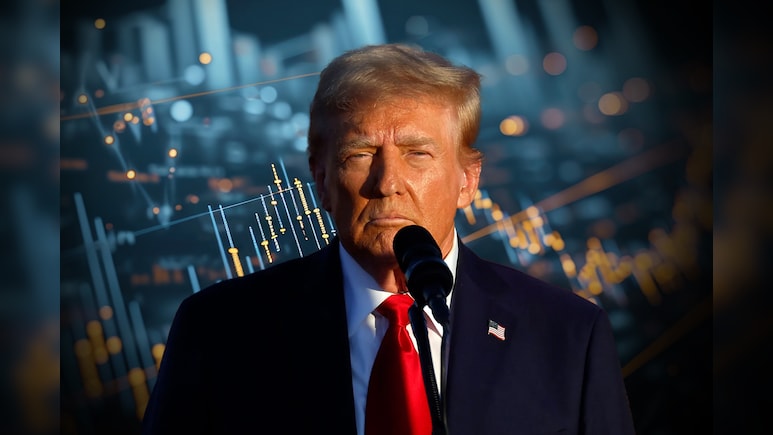
Brent Crude rose over 7% on Wednesday to touch $119.20 as US President Donald Trump rejected Iran's offer to loosen its chokehold on the Strait of Hormuz, reported Axios. The rising oil prices have raised concern that a prolonged closure of the Striat of Hormuz could fuel inflation and weaken the global economy.
US crude rose 6.61% to $106.58 a barrel, and Brent rose to $119.20 per barrel, up 7.14%.
This marks the fourth straight month of gains for crude oil prices, which are up 17.8% in April so far, building on the over 63% rally seen in March due to the onset of the US-Israeli war with Iran.
Also Read | Layoffs Are Rising In Tech, But These Skills Are Helping People Unlock Better Pay
The surge in oil prices have also pushed US treasury Yields to the highest levels this month. Similarly, US markets also fell with Dow Jones down 0.60%, S&P 500 down 0.25% and Nasdaq down 0.36%.
According to Axios Trump further said that the blockade would stay in place. Trump also added that he would consider military action if Iran won't act.
ALSO READ: Hormuz Blockade To Stay As Trump Rejects Iran Offer; US Preparing For 'Strikes'
The report by Axios also added that the US Central Command has prepared a short wave of strikes on Iran.
Iran had offered to loosen its chokehold on the Strait of Hormuz if the United States ends its military campaign and lifts an economic blockade, according to two regional officials cited by The Associated Press on Monday. The proposal would postpone negotiations over Iran's nuclear program, a condition U.S. officials appear unwilling to accept.
The offer was delivered to US officials through Pakistan and comes amid a fragile ceasefire between Washington and Tehran, AP reported. However, US President Donald Trump is unlikely to embrace a deal that leaves unresolved the disputes that prompted US and Israeli strikes against Iran on Feb 28.
The dispute has centered on the Strait of Hormuz, a narrow waterway between Iran and Oman through which about one‑fifth of the world's traded oil and gas typically flows. Iran's restrictions on shipping have stranded oil tankers and disrupted global supply chains, while the US blockade has sought to cut off Iran's ability to export oil, a critical source of revenue.
Essential Business Intelligence, Sharp Market Insights, Practical Personal Finance Advice, Daily Fuel, Gold and Silver Prices and Latest Stories — On NDTV Profit.