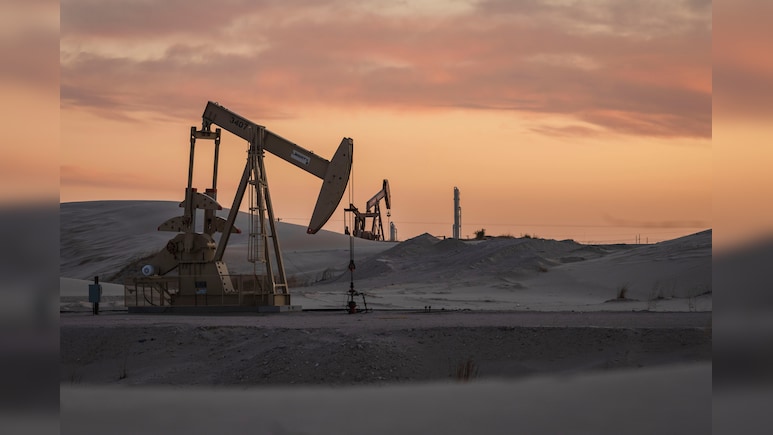
Oil remained sharply lower amid a diplomatic push by the US to end the war with Iran, though pared an earlier slide after Iranian media reported that a ceasefire is not viable at the moment.
Brent was trading near $100 a barrel after earlier shedding as much as 7%, while West Texas Intermediate was near $88. The US drafted a 15-point plan to help bring the conflict to a close, according to people familiar with the matter. The proposal was delivered to Iran via Pakistan.
Iran's semi-official Fars news agency said the country wouldn't accept a ceasfire at the moment and that such an agreement isn't viable in the current conditions. It cited what it described as an informed source on the ceasefire proposal.
Also Read | Layoffs Are Rising In Tech, But These Skills Are Helping People Unlock Better Pay
Oil remains on track for a substantial monthly surge after a volatile run of trading as investors tracked the fallout from the war, which is now in its fourth week. At the heart of the conflict, Tehran has moved to exert control over the Strait of Hormuz waterway, choking off supplies of crude and gas from Persian Gulf producers to global markets and triggering concerns of an energy crunch.
“From the Iranian perspective, Trump's actions this week have demonstrated that the US can be pressured when Iran threatens further escalation,” said Arne Lohmann Rasmussen, chief analyst at A/S Global Risk Management.
Earlier, President Donald Trump's administration ordered the 82nd Airborne Division to deploy about 2,000 soldiers to the region, according to a person familiar with the matter, as the White House weighed options to ease Iran's hold on the strait.
ALSO READ: S&P 500, Nasdaq Jump 1% On White House's Iran Peace Plan, Dow Up 500 Points
Futures had already pared losses as Tehran fired a new wave of missiles at Israel, and signaled little willingness to compromise. Iran's armed forces added to a stream of messaging that ruled out ceasefire talks, according to state-run IRIB News. They added that they wouldn't allow oil prices to return to their previous levels until all threats against the country were removed.
The US's public position on the conflict has shifted rapidly in recent days. At the weekend, Trump raised the stakes with a threat to bomb Iran's power plants if Hormuz were not fully reopened within 48 hours. The president then pivoted away from that deadline, saying he would allow five days for talks. The 15-point overture to Tehran — as well as the decision on the extra troops — followed, even as Iran tightened its grip over the key strait.
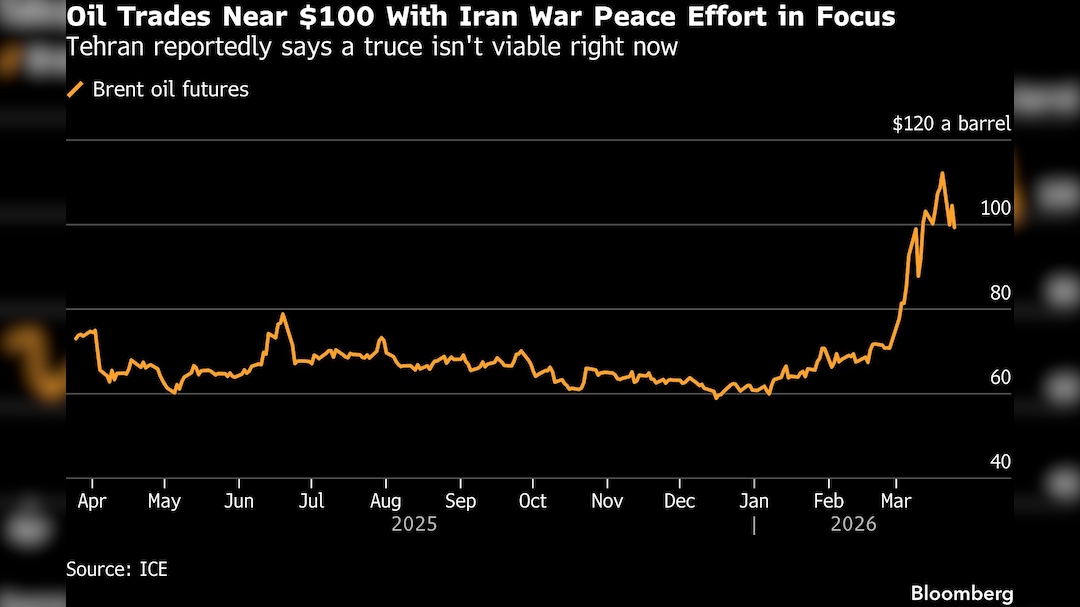
Photo Credit: Bloomberg
On Tuesday, President Trump signaled Iran had offered a “present” as a show of good faith in talks that he has claimed are ongoing. He didn't detail the gift, but confirmed it was related to energy flows through the strait.
Iran has said foreign ships are allowed to pass through the waterway, as long as they aren't supporting acts of aggression against the country and follow regulations put in place by Tehran. The comments came in a letter circulated to members of the International Maritime Organization on Tuesday.
Israel — which opened the war in late February in a joint assault with the US — showed no signs of a letup, launching strikes across Tehran. In a report on the US diplomatic moves, Channel 12 said Israel was concerned about the proposal, and believed it was unlikely Iran would accept.
Prices:
- Brent for May settlement fell 4.7% to $99.61 a barrel at 8:48 a.m. in New York.
- WTI for May delivery dropped 4.3% to $88.38 a barrel.
In a sign of the shock triggered by the fighting, Chevron Corp. warned that California is careening toward an energy crisis, and that the company may quit refining in the state unless officials rolled back regulations. The state is particularly exposed as it imports about 20% of refined fuels from Asia and diesel prices are at a record above $7 a gallon.
In Australia, hundreds of service stations have reported fuel shortfalls. At least 600 retail sites have run out of at least one type of fuel, Energy Minister Chris Bowen told parliament on Tuesday, with shortages concentrated in the two most populous states, New South Wales and Victoria.
Elsewhere, the Philippines declared a national energy emergency as the conflict threatens fuel supplies and the country's economy and South Korea stepped up planning for a worst-case Middle East scenario. There are growing signs that Asian countries are hoarding jet fuel.
“In the past 24 hours, the Trump administration has been signaling both to concerned citizens, policymakers, allies, adversaries, and perhaps most importantly markets, that there may be an end in sight sooner than the president himself had let on just about a week ago,” Behnam Ben Taleblu, Iran program senior director at the Foundation for Defense of Democracies, told Bloomberg TV. “A lot of that is hand-holding, particularly for energy markets.”
Essential Business Intelligence, Sharp Market Insights, Practical Personal Finance Advice, Daily Fuel, Gold and Silver Prices and Latest Stories — On NDTV Profit.