- RAINMUMBAI is India’s first weather derivative contract linked to Mumbai’s rainfall levels
- It tracks monsoon rainfall deviation from historical averages using the CDR index
- The contract helps manage financial risks from rainfall, not physical damage insurance
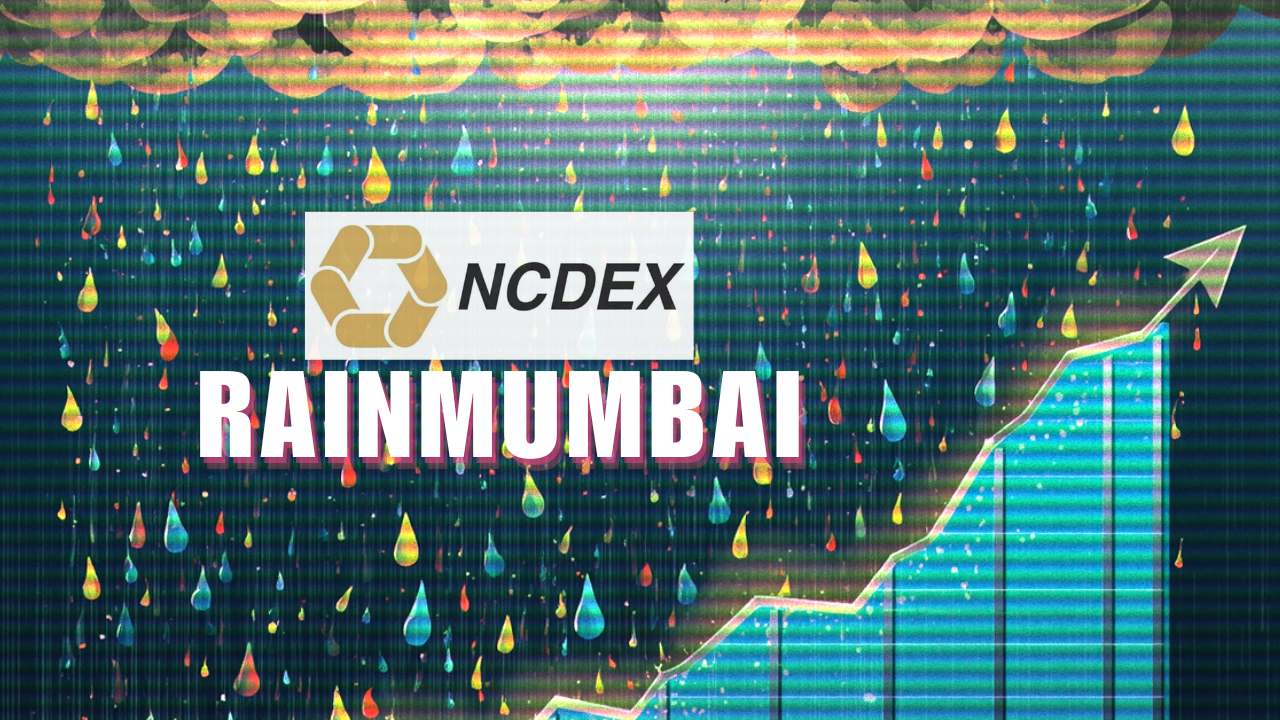
Agricultural commodity exchange National Commodity and Derivatives Exchange (NCDEX) has launched RAINMUMBAI, India's first weather derivative contract approved by the Securities and Exchange Board of India. The contract, which begins trading today, on May 29, is linked to rainfall levels in Mumbai and is designed to help businesses and investors manage financial risks arising from unpredictable weather.
Here are five key things to know about the product.
What Exactly Is RAINMUMBAI?
RAINMUMBAI is a rainfall-based futures contract built around Mumbai's Monsoon Cumulative Deviation Rainfall (CDR) index. The index measures the deviation of actual rainfall from the city's long-period average (LPA) during the monsoon season. In simple terms, the contract tracks whether Mumbai receives more or less rainfall than its historical norm. Unlike traditional commodity futures linked to crops or metals, the underlying asset here is weather data.
Also Read | Layoffs Are Rising In Tech, But These Skills Are Helping People Unlock Better Pay
The product was developed jointly by NCDEX and Indian Institute of Technology Bombay.
How Is It Different From Insurance?
RAINMUMBAI is not an insurance product and does not compensate for physical losses or damages caused by weather events. Instead, it is designed to offset financial risks linked to rainfall variability. Settlement is based entirely on measured rainfall data rather than proof of economic loss.
For example, a construction company facing delays because of excessive rainfall or a lender exposed to weak agricultural activity due to deficient rainfall could use the contract to hedge against revenue disruptions. This makes it a complementary tool to insurance rather than a replacement.
Who Can Trade It?
The contract is aimed at a broad range of weather-sensitive sectors. Potential users include farmers, agri-businesses, power utilities, construction companies, logistics operators, tourism firms, airlines and financial institutions with exposure to agriculture. Retail investors can also participate, subject to standard commodity derivatives regulations.
However, NCDEX has emphasised that the product is primarily intended for risk management. While proprietary traders and market participants may provide liquidity, the exchange has cautioned that speculative trading without underlying weather exposure carries its own risks.
How Will The Contract Work?
RAINMUMBAI contracts will be available only during the monsoon months of June, July, August and September. The underlying rainfall data will come from the India Meteorological Department, specifically from its Santacruz and Colaba observatories in Mumbai.
The contract has a tick size of 1 millimetre of rainfall and a lot multiplier of Rs 50 per millimetre. Trading will take place Monday to Friday during NCDEX market hours, with a maximum order size of 50 lots. Final settlement will be based on official rainfall readings published by the IMD.
Why Does It Matter?
Weather derivatives are widely used in global markets to manage risks related to temperature, snowfall, rainfall and other climate variables. Sectors such as energy, agriculture, tourism and transportation often use them to smooth earnings and reduce exposure to unpredictable weather.
NCDEX said the contract is intended to improve resilience against weather-related disruptions while deepening participation in commodity derivatives markets. India's monsoon has long influenced everything from farm output and inflation to power demand and corporate earnings. Now, for the first time, market participants will be able to hedge against that uncertainty through an exchange-traded financial product.
ALSO READ: Trading The Rains: NCDEX Launches India's First Weather Derivatives To Hedge Monsoon Risk
Essential Business Intelligence, Sharp Market Insights, Practical Personal Finance Advice, Daily Fuel, Gold and Silver Prices and Latest Stories — On NDTV Profit.