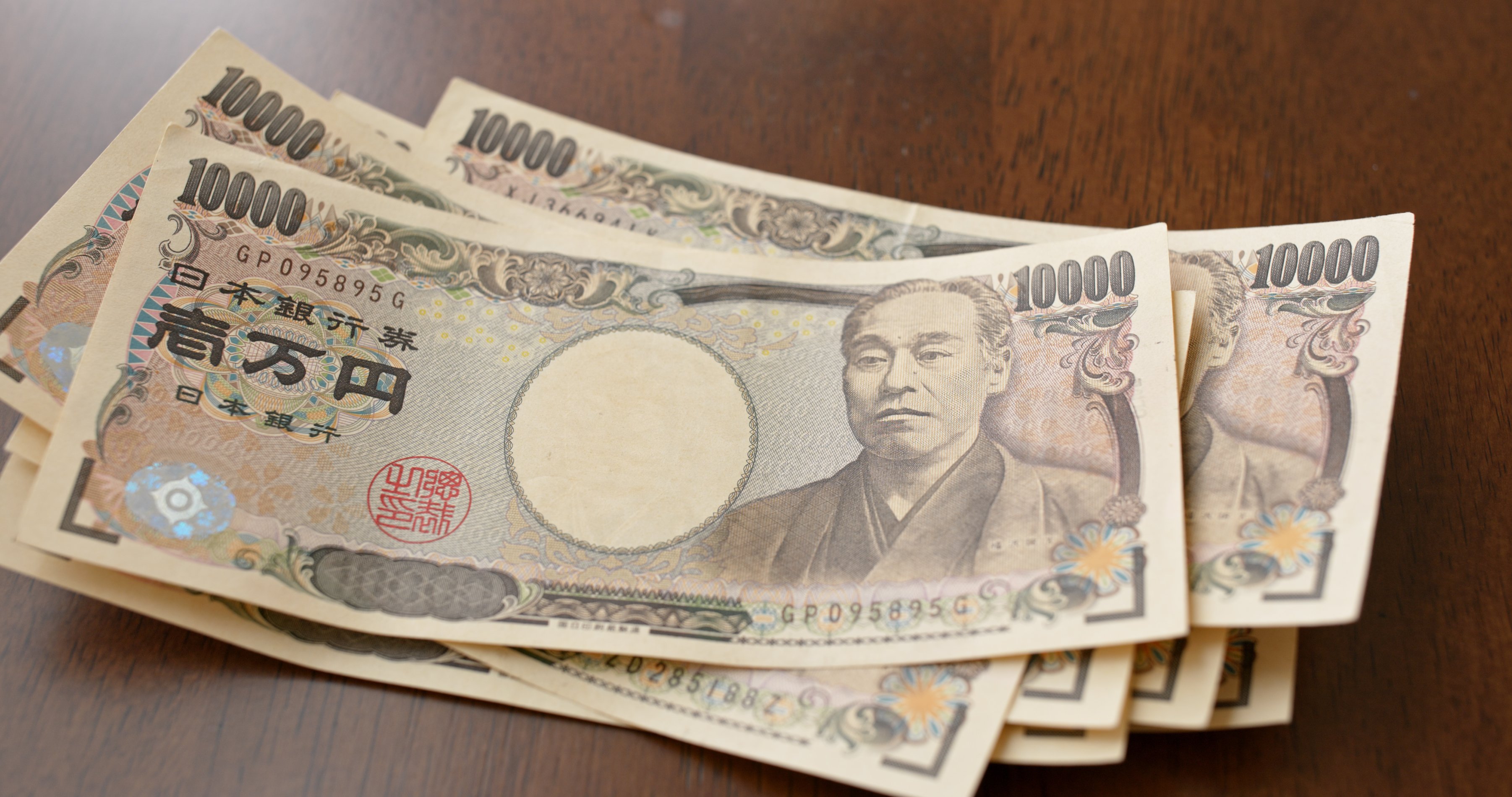
The yield on Japan's benchmark 10-year government bond last week crossed a line many investors never expected to see again.
On Friday, the 10-year Japanese government bond (JGB) yield climbed 5 basis points to 2.015%, its highest level since August 1999. The move came after the Bank of Japan (BOJ) raised its key policy rate by 25 basis points to 0.75%, a three-decade high, and signalled that further policy normalisation remains on the table.
For Japan, which has spent decades battling deflation and ultra-low growth, the breach of the 2% mark is more than just a number. It marks a decisive break from an era of extraordinary monetary accommodation.
Why The 2% Level Matters
After Japan's asset bubble burst in the 1990s, the 10-year JGB yield slipped below 2% in 1999 and largely stayed there for more than two decades. Apart from a brief spike to 2.005% in May 2006, yields never sustainably crossed that level, reflecting weak inflation, sluggish demand and aggressive central bank support.
That long-standing ceiling has now been broken. The move signals that markets are reassessing Japan's interest-rate trajectory and inflation outlook in a way not seen since the late 1990s.
BOJ's Slow But Steady Pivot
The latest rise in yields followed the BOJ's widely anticipated rate hike, but markets focused more on the central bank's tone. Governor Kazuo Ueda said policymakers are ready to continue normalising policy, reinforcing expectations that Japan is not done tightening yet.
“The market was looking for clear hawkish signals,” Masamichi Adachi, chief Japan economist at UBS Securities and a former BOJ official, told Bloomberg. “Of course, the BOJ said that Japan's real rate is significantly low and that suggests more hikes to come, but Ueda's comments alone almost sounded like the rate hike cycle could end soon.”
Still, raising short-term rates to 0.75% marks another concrete step away from decades of massive monetary support, including negative rates and yield curve control.
Bank Of Japan Hikes Interest Rate To Highest Level In Three Decades As Widely AnticipatedPolitics And Stimulus Expectations Add Pressure
JGB yields have been trending higher since early November, as speculation grew over the size and structure of a potential fiscal stimulus package under the new government of Prime Minister Sanae Takaichi. Markets see the administration as willing to tolerate higher interest rates if it helps revive growth and normalise policy.
Chief Cabinet Secretary Minoru Kihara has also underlined that monetary policy decisions should be left to the BOJ, giving the central bank political space to act.
Earlier in December, yields rose further after Governor Ueda sent strong signals that policymakers were close to resuming rate hikes, reinforcing the view that Japan's ultra-easy stance is firmly in retreat.
Inflation, Wages And The Global Backdrop
The BOJ's confidence has been supported by resilient domestic data. Labour unions have set wage demands for annual negotiations at levels similar to last year, when talks resulted in historic pay increases, suggesting wage momentum remains intact.
Ueda also raised borrowing costs for the first time since January after data showed that US President Donald Trump's tariffs were not delivering a major blow to Japan's economy, easing concerns about external shocks derailing the recovery.
What Markets Are Watching Next
The key question now is timing. Most BOJ watchers expect future rate hikes to come at a measured pace, roughly once every six months, as policymakers try to balance inflation control with economic stability.
For global investors, a sustained move above 2% in Japanese yields could have broader implications. Higher domestic returns may encourage Japanese institutions to repatriate funds, potentially affecting global bond markets, currencies and capital flows.
Japan's MUFG Group To Invest Rs 40,000 Crore For 20% Stake In Shriram FinanceEssential Business Intelligence, Continuous LIVE TV, Sharp Market Insights, Practical Personal Finance Advice and Latest Stories — On NDTV Profit.