India and Malaysia are set to significantly advance their digital and financial collaboration following Prime Minister Narendra Modi's two-day visit to Kuala Lumpur - his first foreign trip of 2026. Both governments highlighted a strong push toward expanding digital-economy ties, strengthening financial linkages, and accelerating the use of local currencies in bilateral trade.
Both the Asian countries have agreed to deepen their digital and financial cooperation by formalising the Malaysia-India Digital Council (MIDC), positioning it as the main bilateral platform to steer joint work in the digital domain, according to an official press release.
The leaders said the MIDC will be used to advance digital cooperation, foster innovation, and develop collaborative projects across high-impact areas such as fintech, e-governance, cybersecurity, artificial intelligence, Digital Public Infrastructure (DPI), and other emerging technologies.
Also Read | Layoffs Are Rising In Tech, But These Skills Are Helping People Unlock Better Pay
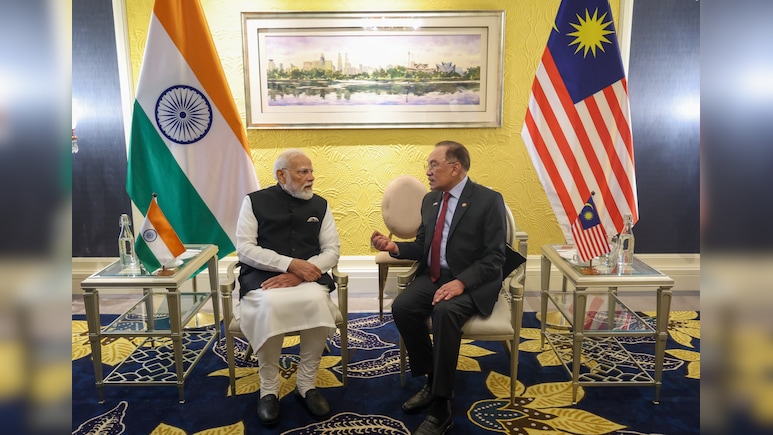
Had an excellent meeting with PM Anwar Ibrahim at Seri Perdana earlier today. India and Malaysia are maritime neighbours who have always enjoyed a close friendship. We reviewed developmental cooperation in sectors like trade, infrastructure, energy, IT, biotechnology and more. We… pic.twitter.com/4xfwFSxC8x
— Narendra Modi (@narendramodi) February 8, 2026
By creating an institutional mechanism, both sides are aiming for a more structured, outcome-driven engagement that can translate policy intent into implementable programmes. The MIDC is expected to function as a strategic bridge between government and relevant stakeholders, helping align priorities, identify investible projects, and support each country's digital transformation agenda through regular coordination and targeted initiatives.
On the financial side, the leaders welcomed the collaboration between NPCI International Limited (NIPL) and PayNet Malaysia to establish bilateral payment linkages. This integration is expected to make cross-border transactions more seamless, faster and cheaper, with direct benefits for tourists, students and small businesses that frequently deal with remittances and retail payments.
The linkage is also expected to improve the ease of doing business, strengthen everyday economic interactions, and add momentum to people-to-people connectivity by simplifying payment experiences across borders.
Beyond digital and payments, the leaders also discussed wider cooperation across trade, investment and other priority sectors like defence, security, maritime, clean energy, infrastructure, start-ups, agriculture, education, health, Ayurveda, tourism and cultural linkages.
ALSO READ | India, Malaysia Aim To Boost Trade, Local Currency Use, Defence During Modi Visit
Essential Business Intelligence, Sharp Market Insights, Practical Personal Finance Advice, Daily Fuel, Gold and Silver Prices and Latest Stories — On NDTV Profit.