- Bank of Japan raised its benchmark rate to 0.75%, the highest since 1995
- The rate hike was a unanimous decision by Governor Kazuo Ueda’s policy board
- The BOJ signaled it will continue raising rates if economic outlook is realized
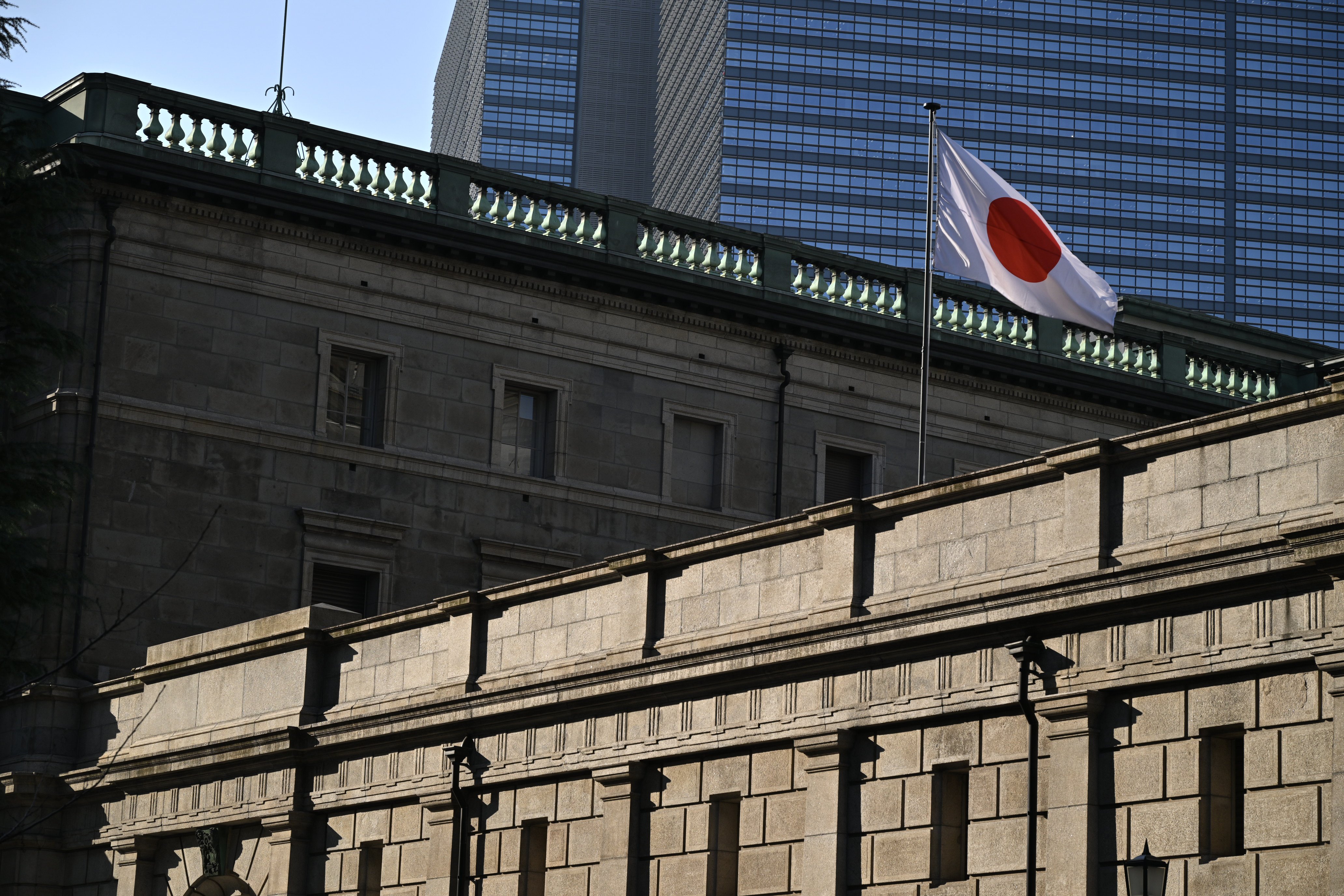
Bank of Japan on Friday raised its benchmark rate to 0.75 — the highest since 1995 — as widely anticipated by the economists tracked by Bloomberg, in a sign of growing conviction that it can attain the stable inflation target it has pursued for more than a decade.
Governor Kazuo Ueda's policy board increased the rate by a quarter percentage point to 0.75%, in a unanimous decision, according to its statement on Friday. The central bank cited the rising likelihood of its economic outlook being realized.
The rate change was expected by all 50 economists surveyed by Bloomberg.
Also Read | Layoffs Are Rising In Tech, But These Skills Are Helping People Unlock Better Pay
The BOJ made it clear that the hiking cycle will continue by asserting that it intends to keep raising borrowing costs if its economic outlook is realised.
The yen weakened against the dollar, and was trading around 156 soon after the release of the statement, suggesting the rate hike was fully priced into markets.
The policy change underscored Ueda's determination to keep raising rates as inflation gradually embeds itself into the economy in a major shift after the 1990 burst of a real estate bubble led to decades of weak prices.
While the emergence of monetary easing advocate Sanae Takaichi as prime minister in October raised doubts about Ueda's leeway to keep normalizing policy, the political costs of continued inflationary pressure and yen weakness helped ensure that the government didn't discourage the move.
Kazuo Ueda (Photographer: Kiyoshi Ota/Bloomberg)
Ueda raised borrowing costs for the first time since January following economic data signaling that President Donald Trump's tariffs aren't delivering a major blow to the economy. Also, various labor unions have set targets ahead of annual wage talks similar to what they set a year ago, when the process resulted in historic gains in pay, indicating that wage momentum is intact.
Ueda will elaborate on his thinking behind Friday's policy decision and the future rate trajectory at a press briefing usually starting at 3:30 p.m.
Japan's Inflation Holds Steady At 3% Ahead Of Expected BOJ HikeEssential Business Intelligence, Sharp Market Insights, Practical Personal Finance Advice, Daily Fuel, Gold and Silver Prices and Latest Stories — On NDTV Profit.