- Foreign investor flows into India impacted more by global finance and currency shifts than taxes
- Rupee depreciation and rising developed-market rates reduce India's appeal for foreign investors
- Global investors target 7-8% dollar returns, affecting emerging market investments like India
Foreign investor flows into India have been affected more by changing global financial conditions and currency movements than by tax changes alone, according to Quantum Advisors founder Ajit Dayal, who spoke at the panel 'Markets And Global Capital: What Needs To Change?' at the 'NDTV Profit Ignite 2026' event on Wednesday.
Speaking to NDTV Profit, Dayal said overseas investors were aware of changes in India's taxation rules, but that was not the primary trigger behind the selling seen in recent years.

-
 SEBI Says CAS Works Technologically, Explains Concern Over Expiry-Day Derivatives
-
 Aim To Cut FPI Onboarding Time From Mth To Five Days: SEBI Chairman Tuhin Kanta Pandey AT NDTV PROFI
-
 SEBI To Float Consultation Paper On FPI Norms To Align Indian Markets Globally
-
 Gold ETF Fund-Of-Funds Investment Curbs Are Temporary, SEBI Chair Pandey Says
-
 SEBI To Review Closing Auction Rules After One Year, Chairman Pandey Reiterates
-
SEBI Chief: Direct MF Plans Default From Nov 1; IPO Rules, SME Framework Under Review
-
 "I Am A Material Man In A Material World': Quantum Advisors' Ajit Dayal On NDTV Profit Ignite
-
 Structurally Positive On India In The Long-term:Ben Powell, On NDTV Profit Ignite
-
 'I Am My Own Intern': Tamannaah Bhatia On NDTV Profit Ignite
-
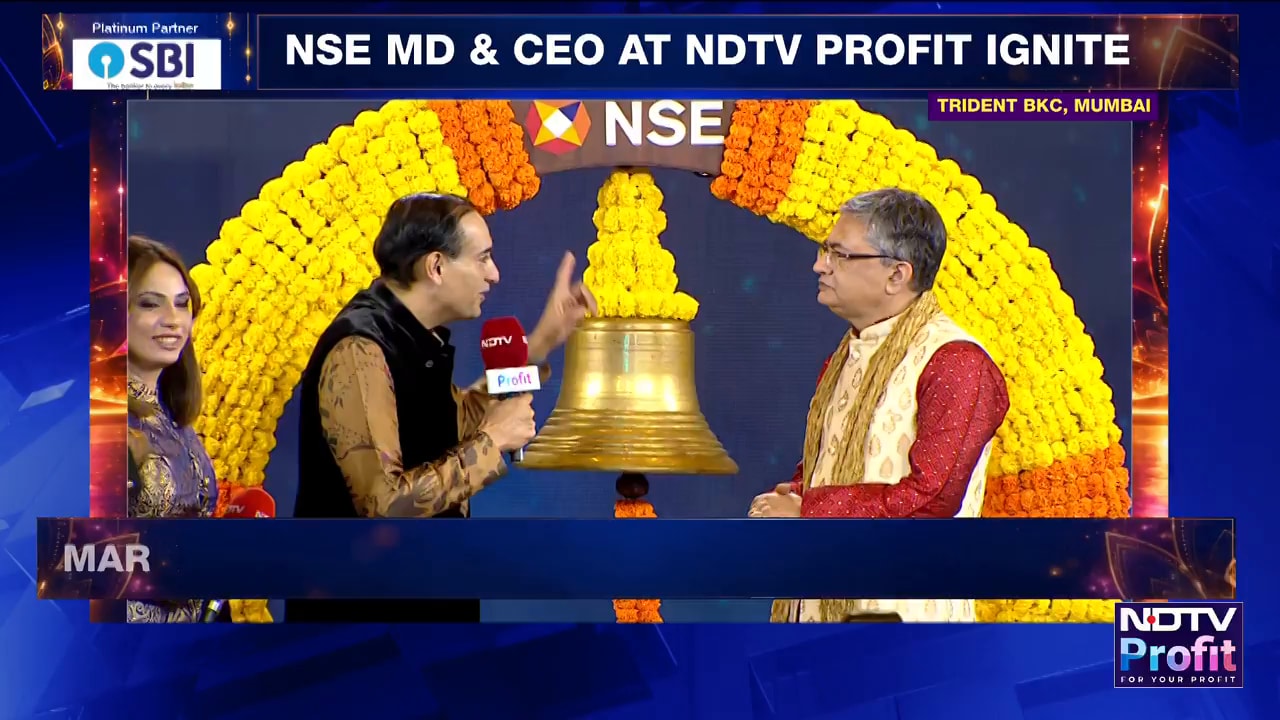
 Indian Mkt Will Return With The 'Smart Mkt' Story: NSE MD & CEO Ashishkumar Chauhan On NDTV Profit I
ALSO READ: Ramesh Damani Remains Bullish On India For Next 20-30 Years, Sees Bargains Amid Market Weakness
Also Read | Layoffs Are Rising In Tech, But These Skills Are Helping People Unlock Better Pay
"Partially true, maybe. When I talk to foreign investors, they did know that the rule had changed for taxation, but they only started selling in 2024," he said.
Dayal pointed to the rupee's depreciation as a key concern for overseas investors.
He argued that foreign capital allocators are increasingly comparing India with risk-free opportunities in developed markets. With pension funds and sovereign wealth funds collectively managing around $100 trillion, many investors are targeting annual returns of 7-8% in dollar terms rather than pursuing aggressive growth.
"When US government bonds offer 5-5.5%, investors need less exposure to overseas markets to meet their return targets," Dayal said, adding that higher developed-market interest rates have altered the competitive landscape for emerging markets such as India.
He noted that factors such as capital gains taxation were less important when global interest rates were near zero, but have become more relevant as yields have risen.
Despite the near-term challenges, Dayal remained positive on India's long-term economic prospects. He highlighted that the country's GDP growth has averaged about 6.5% annually since 1980 across multiple governments, roughly double the pace of global economic growth.
"India is a phenomenal economy," he said, arguing that there is little reason to believe the country's long-term growth trajectory will materially change.
However, Dayal noted that foreign investors evaluate returns after accounting for currency depreciation and taxes. Even modest equity gains can appear less attractive when translated into dollar terms, particularly when investors can earn comparable returns from US government securities.
He recalled that in September 2024, Quantum Advisors had projected an 11% appreciation in the BSE Sensex over two years. While that may appear attractive in rupee terms, the return becomes less compelling for foreign investors after adjusting for currency depreciation, according to him.
Dayal also pointed out that crude oil prices remained relatively low between September 2024 and February 2026, creating a favourable backdrop for India's economy. To attract greater foreign participation, he said policymakers need to make a clear decision on whether they want overseas capital and create conditions that make India an attractive destination for global investors.
"The best way to get foreign attention and foreign capital is to make a decision. Either you want to invite them or you don't need them. If you need them, you need to give them conditions to invest in India," he said.
Essential Business Intelligence, Sharp Market Insights, Practical Personal Finance Advice, Daily Fuel, Gold and Silver Prices and Latest Stories — On NDTV Profit.