Even at a time when the government has introduced GST rationalisation to make most consumer goods more affordable and significantly eased income tax slabs to boost savings, the Indian mass consumption is still facing a prolonged recovery period, according to Bank of America.
In its latest India equity strategy note, BofA has forecasted a 'shallow' recovery for mass consumption in FY26 and FY27, which is a massive blow a market that was hoping for a broad-based recovery in the near future.

-
 NDTV Profit Ignite 2026: Experts See Opportunity In Equities, Stay Bullish For Long-Term
-
 Buy Right, Sit Tight Does Not Work for Individual Stocks, Says Dinshaw Irani
-
 'Worst Is Behind': Quant MF Sees Market Bottom, Flags 'Extreme Euphoria' In Midcaps
-
 India's Mutual Fund Industry Could Become A $1 Trillion Opportunity, Say Fund Managers
-
 'Foreign Investors Are Baraatis': Raamdeo Agrawal's Take On LTCG Tax
-
 Stay Invested Through Market Cycles: Raamdeo Agrawal at NDTV Profit Ignite
-
 Ramesh Damani Remains Bullish On India For Next 20-30 Years, Sees Bargains Amid Market Weakness
-
 CAS Came After A Long Consultation Process: SEBI Chairman Tuhin Kanta Pandey AT NDTV PROFIT IGNITE
-
 Aim To Cut FPI Onboarding Time From Mth To Five Days: SEBI Chairman Tuhin Kanta Pandey AT NDTV PROFI
-
 "I Am A Material Man In A Material World': Quantum Advisors' Ajit Dayal On NDTV Profit Ignite
BofA has attributed this relatively slow rate of recovery to strain in household income and savings, especially low and middle-income households, who have been forced to deleverage before carrying out fresh spending.
Also Read | Layoffs Are Rising In Tech, But These Skills Are Helping People Unlock Better Pay
BofA cites data that suggests debt-to-GDP rose from 37.6% in fiscal year 2021 to 41.9% in fiscal year 2025. The firm believes it will take approximately six quarters or at least until the end of the financial year 2027 for household leverage to settle to normal levels.
This kind of debt burden comes on the back of a slowdown between fiscal years 2020 and 2025 and has been accentuated by various factors, including inflation, weak farm incomes resulting from poor monsoons and a strategic shift in government spending, which has moved away from subsidies to capital expenditure.
This could punch a big hole in the wall for the consumption space, which was hopeful for a revival at the start of next calendar year.
To mitigate these problems and a prolonged recovery period, BofA suggests that policymakers have initiated a significant pivot.
This includes an estimated $55 billion that has been extended to stimulate consumption via interest rate cuts, subsidies, and tax reductions since Oct. 2024. The firm projects this cumulative stimulus will reach $74 billion—or 1.9% of GDP—by March 2026.
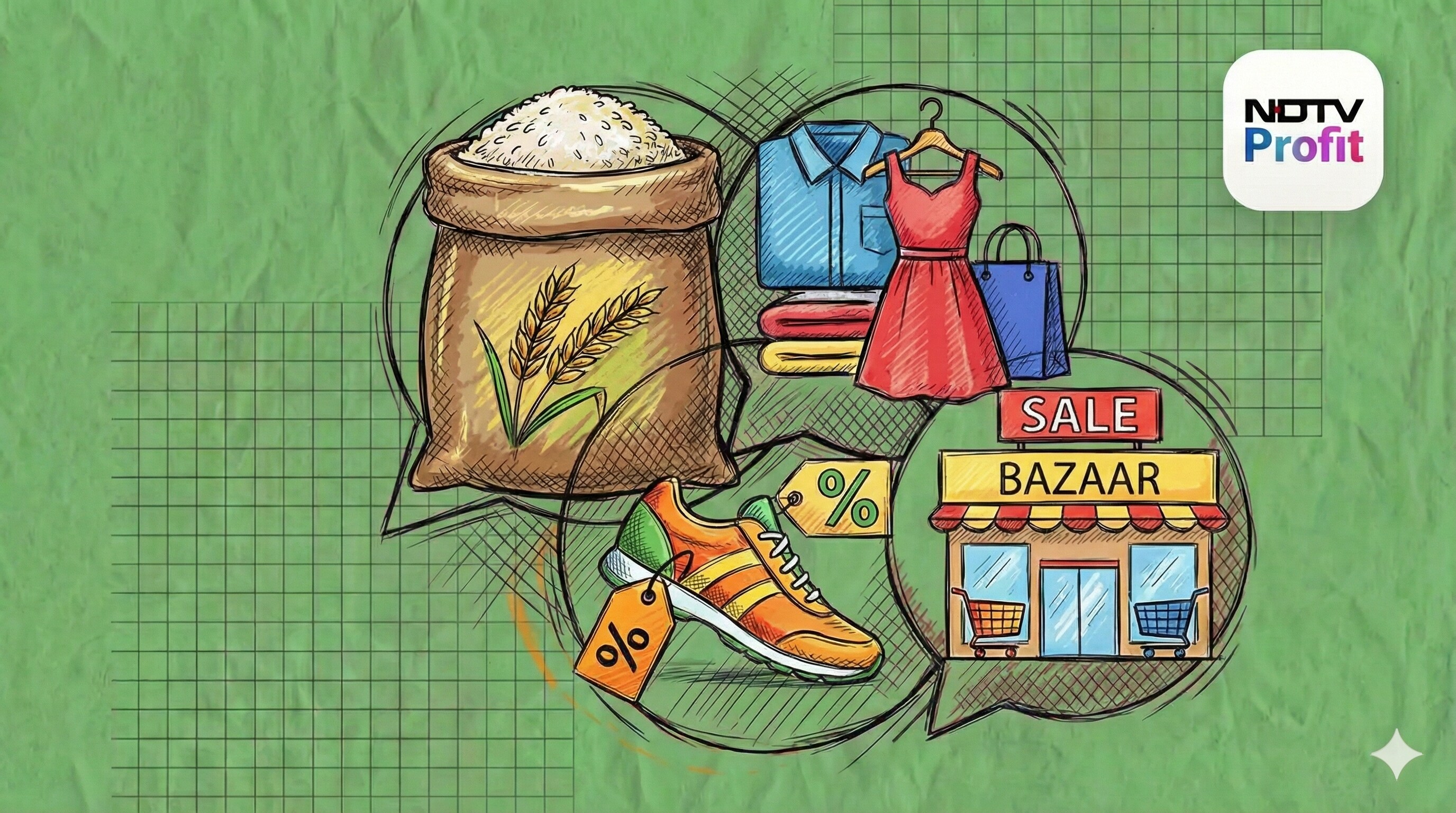
However, this hasn't prevented BofA from maintaining an 'underweight' stance on mass consumption categories such as staples, apparel, footwear, and discount retailers.
On the flip side, though, BofA remains 'overweight' on the premiumisation theme, noting that upper-middle-income households and wealthy households have enjoyed significant wealth accretion over the last five years thanks to gains in investments such as properties, gold and equity.
Essential Business Intelligence, Sharp Market Insights, Practical Personal Finance Advice, Daily Fuel, Gold and Silver Prices and Latest Stories — On NDTV Profit.