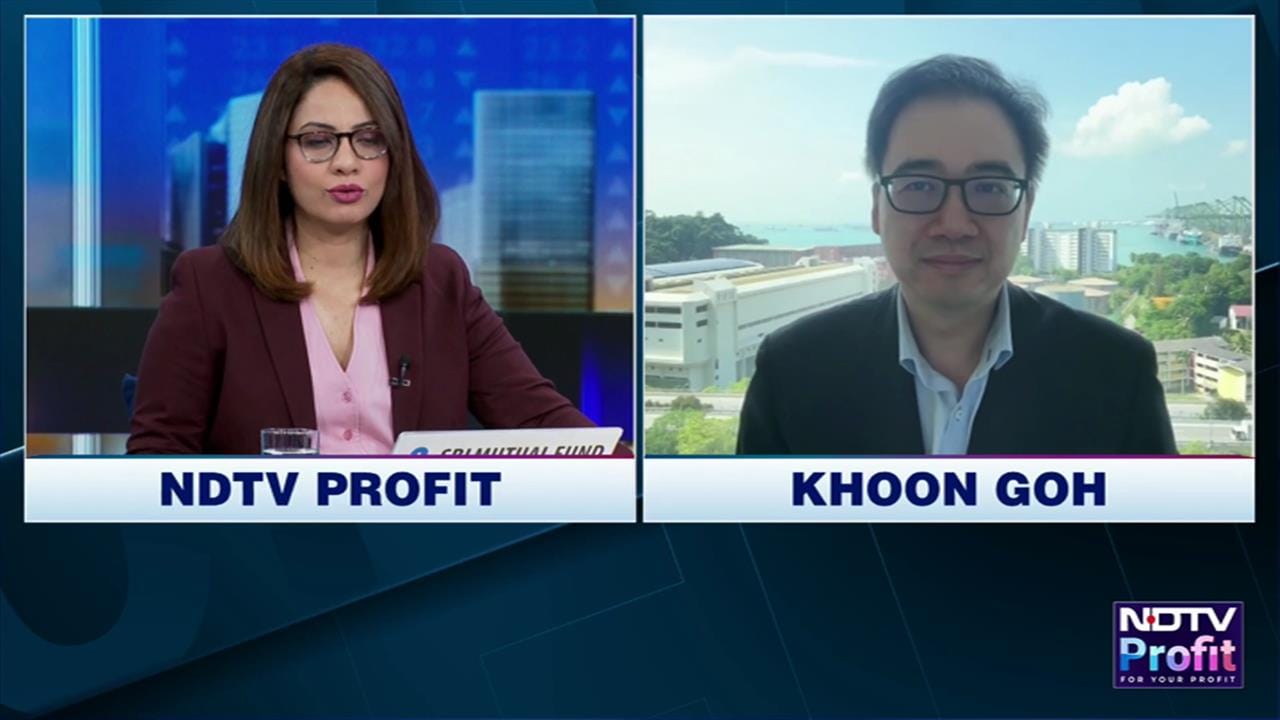
Closure of the Strait of Hormuz is an immediate concern to markets, according to Steve Englander, global head of G10 FX Research & North America Macro Strategy, Standard Chartered Bank.
There is a reaction in the oil market, but not as much as feared, Englander told NDTV Profit on Monday. Englander noted that, at the moment, global oil inventories are quite high, which means there won't be any immediate supply issue, even though some damage could still be done.

-
 Indian Markets Turning Corner After Two Tough Years, Says Sandeep Tandon
-
 NDTV Profit Ignite 2026: Experts See Opportunity In Equities, Stay Bullish For Long-Term
-
 Buy Right, Sit Tight Does Not Work for Individual Stocks, Says Dinshaw Irani
-
 'Worst Is Behind': Quant MF Sees Market Bottom, Flags 'Extreme Euphoria' In Midcaps
-
 India's Mutual Fund Industry Could Become A $1 Trillion Opportunity, Say Fund Managers
-
 'Foreign Investors Are Baraatis': Raamdeo Agrawal's Take On LTCG Tax
-
 Stay Invested Through Market Cycles: Raamdeo Agrawal at NDTV Profit Ignite
-
 Ramesh Damani Remains Bullish On India For Next 20-30 Years, Sees Bargains Amid Market Weakness
-
 CAS Came After A Long Consultation Process: SEBI Chairman Tuhin Kanta Pandey AT NDTV PROFIT IGNITE
-
 Aim To Cut FPI Onboarding Time From Mth To Five Days: SEBI Chairman Tuhin Kanta Pandey AT NDTV PROFI
Iran's Parliament approved shutting down the Strait of Hormuz on Sunday following the US's attack on its nuclear sites. Iran's Parliament has passed the order to close the strategic passthrough, which is a lifeline to the world's oil supply, as reported by NDTV, citing state media.
Also Read | Layoffs Are Rising In Tech, But These Skills Are Helping People Unlock Better Pay
Nearly 70% of crude oil supplies to Asia pass through the Strait of Hormuz and Bab el-Mandeb Strait. Iran has direct control over the Strait of Hormuz and influence over Bab el-Mandeb Strait through Yemen's Houthi Rebels.
The strait holds strategic importance because nearly 20 million barrels of crude oil and a third of global liquefied natural gas shipments pass through it daily. The daily shipments account for 20% of world oil consumption, according to the US Energy Information Administration.
"Both sides can do damage to each other. We need to see what happens and whether they will give peace a chance," Englander said.
"The best-case scenario would be if both sides decide to talk and resort to peace after they have made their point. Meanwhile, the worst-case scenario would be if this turns into a broader war—especially if the Strait of Hormuz is blocked for an extended period," he said.
"The markets are being very careful not to price in only the worst-case scenario. "This is a unique geopolitical event, and the market is behaving as though the 'fat tails' aren't as fat as they usually are," he said.
Essential Business Intelligence, Sharp Market Insights, Practical Personal Finance Advice, Daily Fuel, Gold and Silver Prices and Latest Stories — On NDTV Profit.