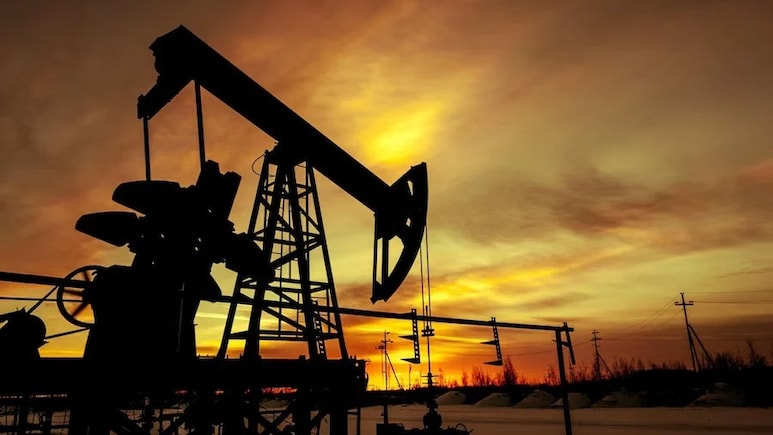
Global oil prices climbed sharply after Donald Trump escalated rhetoric against Iran, issuing a new deadline tied to the reopening of the strategically critical Strait of Hormuz. Brent crude rose above $110 per barrel, while US benchmark WTI hovered near $113, as markets reacted to the heightened risk of supply disruptions.
Trump warned of potential strikes targeting Iranian infrastructure if access through the strait is not restored. Tehran, however, rejected the ultimatum, and restrictions on maritime traffic remain largely in place, allowing only limited vessel movement.

-
 Indian Markets Turning Corner After Two Tough Years, Says Sandeep Tandon
-
 NDTV Profit Ignite 2026: Experts See Opportunity In Equities, Stay Bullish For Long-Term
-
 Buy Right, Sit Tight Does Not Work for Individual Stocks, Says Dinshaw Irani
-
 'Worst Is Behind': Quant MF Sees Market Bottom, Flags 'Extreme Euphoria' In Midcaps
-
 India's Mutual Fund Industry Could Become A $1 Trillion Opportunity, Say Fund Managers
-
 'Foreign Investors Are Baraatis': Raamdeo Agrawal's Take On LTCG Tax
-
 Stay Invested Through Market Cycles: Raamdeo Agrawal at NDTV Profit Ignite
-
 Ramesh Damani Remains Bullish On India For Next 20-30 Years, Sees Bargains Amid Market Weakness
-
 CAS Came After A Long Consultation Process: SEBI Chairman Tuhin Kanta Pandey AT NDTV PROFIT IGNITE
-
 Aim To Cut FPI Onboarding Time From Mth To Five Days: SEBI Chairman Tuhin Kanta Pandey AT NDTV PROFI
Supply Shock To Energy Crisis
The ongoing conflict has triggered what analysts describe as a severe supply shock, now evolving into a broader global energy crisis. Prices for crude and refined products have surged, adding to inflationary pressures worldwide and raising concerns over slowing economic growth.
Also Read | Layoffs Are Rising In Tech, But These Skills Are Helping People Unlock Better Pay
Producer alliance OPEC+ flagged that damage to energy infrastructure could have long-term implications for supply, even after hostilities subside. While the group signaled higher output quotas, actual flows remain constrained due to bottlenecks in the Gulf.
ALSO READ: Petrol, Diesel Under GST? Oil Economist Kirit Parikh Says Iran War Makes Shift Imperative
Brent's prompt spread - a key indicator of market tightness - has widened dramatically into steep backwardation, surpassing levels seen during the Russia-Ukraine war. Physical markets are flashing similar signals. Dated Brent, a benchmark for real-world cargoes, has surged past $140 per barrel - its highest level since 2008 - underscoring the scramble for immediate supplies.
Hormuz Remains The Critical Chokepoint
Control of the Strait of Hormuz - a vital artery linking Gulf producers to global markets - remains central to the crisis. Iran continues to regulate transit, permitting only select ships to pass. While there are tentative diplomatic efforts, including talks involving Oman, uncertainty persists over how quickly flows can normalize.
Investor sentiment has also been shaken by mixed messaging from Washington. Trump has alternated between suggesting a quick resolution and threatening escalation, including expanded military action. With the conflict entering its sixth week and attacks continuing across the region, oil markets remain firmly on edge.
Essential Business Intelligence, Sharp Market Insights, Practical Personal Finance Advice, Daily Fuel, Gold and Silver Prices and Latest Stories — On NDTV Profit.