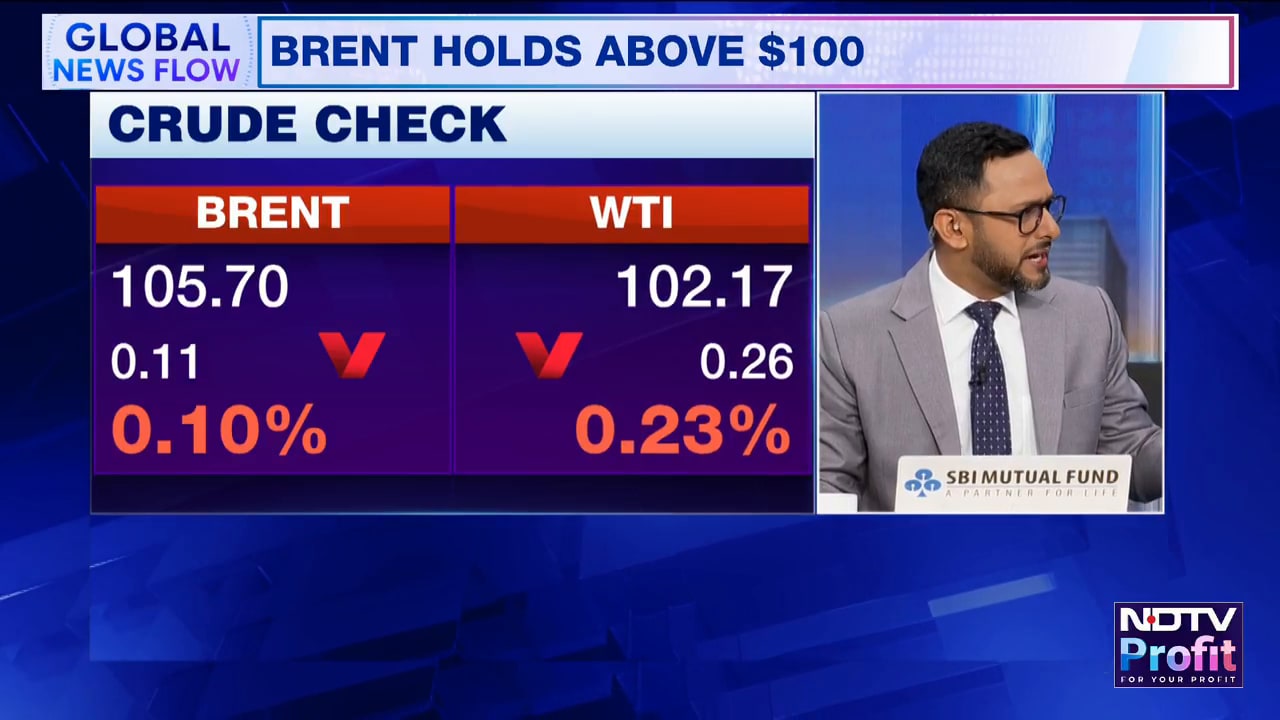
Oil prices paused after a sharp climb, as markets tracked uncertain diplomatic signals around the Iran conflict and the fate of the Strait of Hormuz — a chokepoint that remains effectively shut. Brent crude hovered near $111 a barrel after gaining roughly 2.8% in the previous session, while West Texas Intermediate (WTI) traded just above $99. The price action reflects a market caught between tentative ceasefire developments and the reality of constrained Middle East supply.
Comments from Donald Trump added to the cautious tone. He indicated that Iran has sought relief from a US-led naval blockade in exchange for progress in negotiations, underscoring how central the strait remains to any resolution.
The Strait of Hormuz — responsible for a significant share of global oil and gas flows — has been nearly impassable since hostilities escalated in late February. The disruption has choked off shipments of crude and refined products, sending shockwaves through global energy markets. The International Energy Agency has described the situation as one of the largest supply shocks on record, amplifying fears of renewed inflation pressures globally.
Also Read | Layoffs Are Rising In Tech, But These Skills Are Helping People Unlock Better Pay
While a ceasefire has broadly held since early April, negotiations remain stalled. The blockade is beginning to strain Iran's own system, with storage capacity filling up rapidly — a dynamic that could force production cuts if exports don't resume soon.
ALSO READ: Beyond Barrels: UAE's OPEC Exit Lifts The Veil On Saudi-Emirati Rift
There are early signs of movement. Reports suggest Tehran may soon present a revised proposal to end the conflict, with mediators attempting to bridge gaps between the two sides. Iran's urgency is tied not just to exports, but also to domestic pressures. Reopening Hormuz is seen as critical to stabilizing both its economy and internal political dynamics. Still, the path forward remains uncertain, and traders are wary of false starts — a pattern that has defined the conflict so far.
The ripple effects are extending well beyond crude prices. In a significant shift, the Organization of the Petroleum Exporting Countries is set to lose one of its key members, with the United Arab Emirates opting to exit after decades. The move signals growing friction within producer alliances as countries seek more flexibility in responding to supply disruptions.
At the same time, Washington is escalating financial pressure. The US Treasury has warned banks about sanctions exposure tied to Iranian oil flows, with scrutiny falling particularly on independent refiners in China's Shandong province. One flashpoint is Hengli Petrochemical, a major private refiner recently targeted by US sanctions over alleged links to Iranian crude — claims the company denies.
Further complicating matters, US authorities have cautioned against any payments to Iran for passage through Hormuz, as Tehran considers formalizing such a system.
ALSO READ: UAE Quits OPEC, OPEC+ Amid Iran War-Triggered Blow To Oil Market
Essential Business Intelligence, Sharp Market Insights, Practical Personal Finance Advice, Daily Fuel, Gold and Silver Prices and Latest Stories — On NDTV Profit.