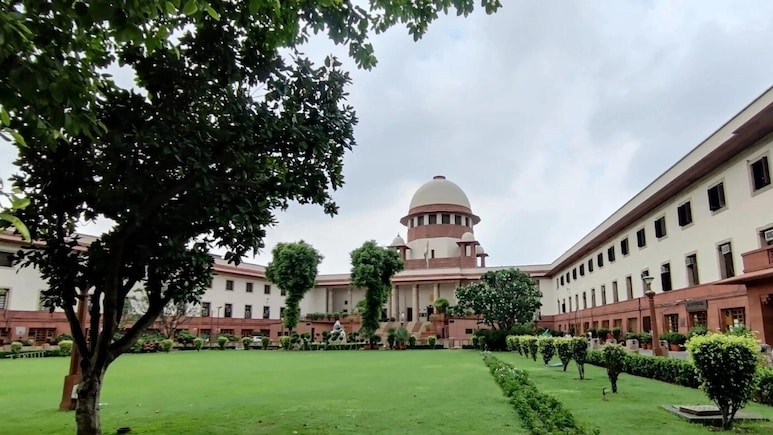
The Supreme Court on Tuesday directed that no state or Union Territory shall register fresh FIRs over student protests held between July 20 and July 25 in connection with the NEET-UG 2026 controversy.
The court also ordered that FIRs already registered across the country in connection with these protests should not be pursued or investigated and must be treated as closed.
The direction, though sought through applications filed by the Centre and four states, Bihar, West Bengal, Maharashtra and Assam, was extended across India. The bench said the order was being passed keeping in mind the future of students who had participated in the protests bona fide.
Also Read | Layoffs Are Rising In Tech, But These Skills Are Helping People Unlock Better Pay
ALSO READ | CJP Calls Off Sept 5 Protest After Centre's Assures FIR Withdrawal
However, the court allowed the Delhi Police to proceed with one FIR involving 2,873 individuals who were present at the Jantar Mantar protests, citing their serious criminal antecedents.
A bench comprising Chief Justice of India Surya Kant, Justice Joymalya Bagchi and Justice V Mohana invoked the Supreme Court's special powers under Article 142 of the Constitution to pass the directions. It clarified that the order was based on the peculiar facts and circumstances of the case and would not constitute a precedent.
The court also recorded Solicitor General Tushar Mehta's statement that the Centre would formulate a policy within three months for compensation to families of students who died by suicide following the cancellation of NEET-UG 2026.
Following the government's assurance, Cockroach Janata Party (CJP) co-convener Saurav Das told the court that the organisation had withdrawn its planned Sept. 5 protest march in Delhi.
The Solicitor General said the applications seeking withdrawal of cases were filed in pursuance of assurances given by the Centre to CJP leaders on July 25. He said the government was committed to fulfilling its assurance on compensation but needed three months to finalise the modalities.
ALSO READ | 'Expected To Maintain Law And Order': Supreme Court Refuses To Prohibit CJP's September 5 Protest March
The Supreme Court had, during an Aug. 18 hearing, indicated that it was inclined to quash the FIRs by exercising its powers under Article 142. The court was told that there were legal hurdles in simply withdrawing FIRs once registered, as they can generally be closed only through a closure report, which a magistrate may reject.
At the previous hearing, Mehta had said cases against protesters could be quashed except those involving 2,873 individuals with grave criminal cases, including murder, rape and abduction.
Essential Business Intelligence, Sharp Market Insights, Practical Personal Finance Advice, Daily Fuel, Gold and Silver Prices and Latest Stories — On NDTV Profit.