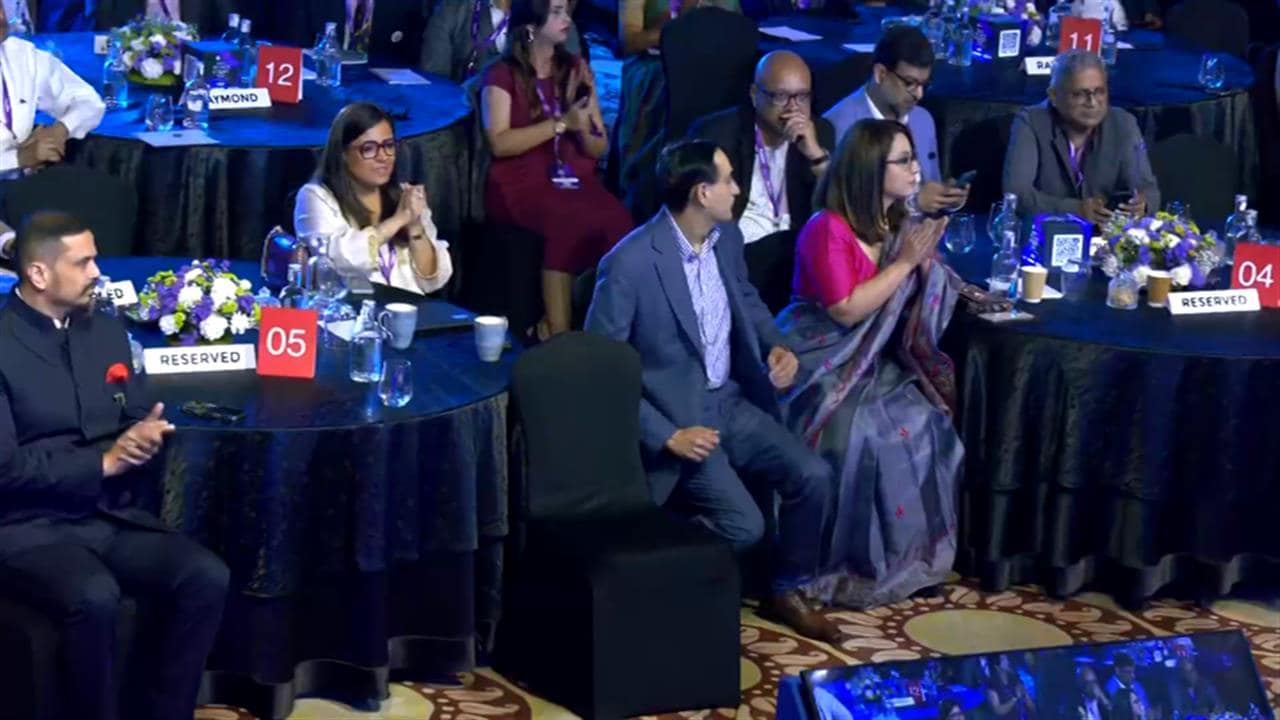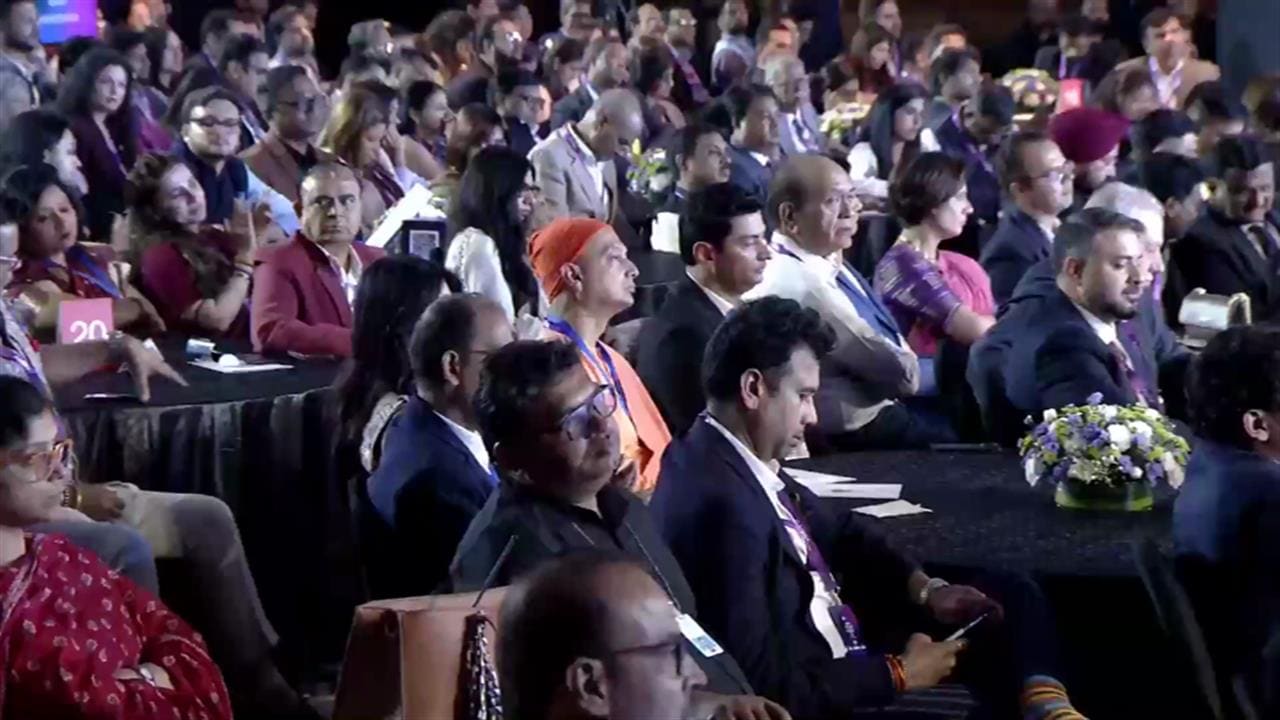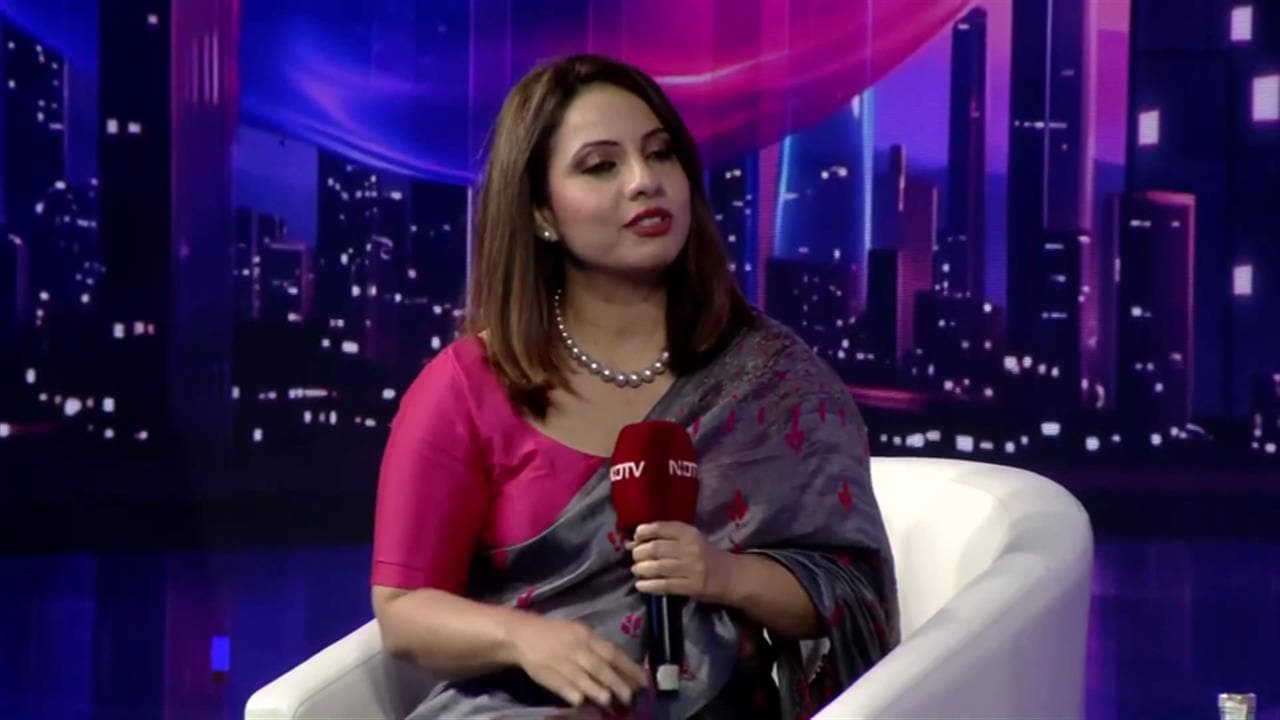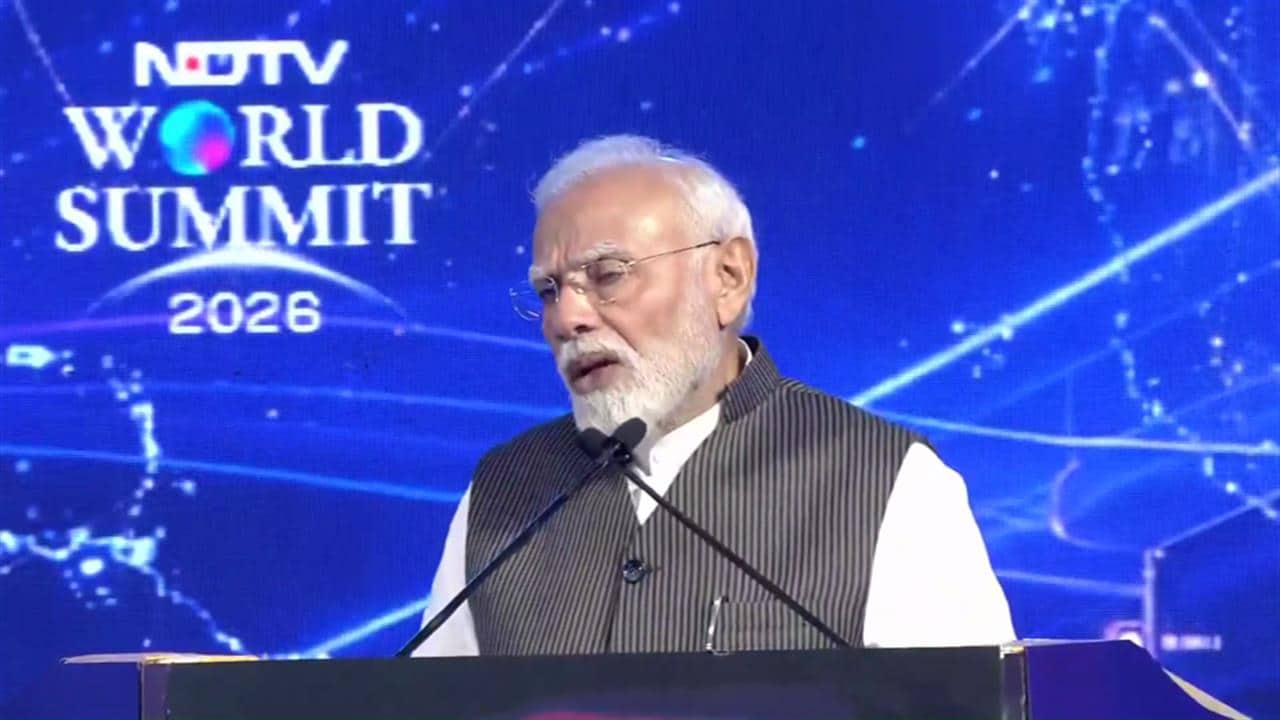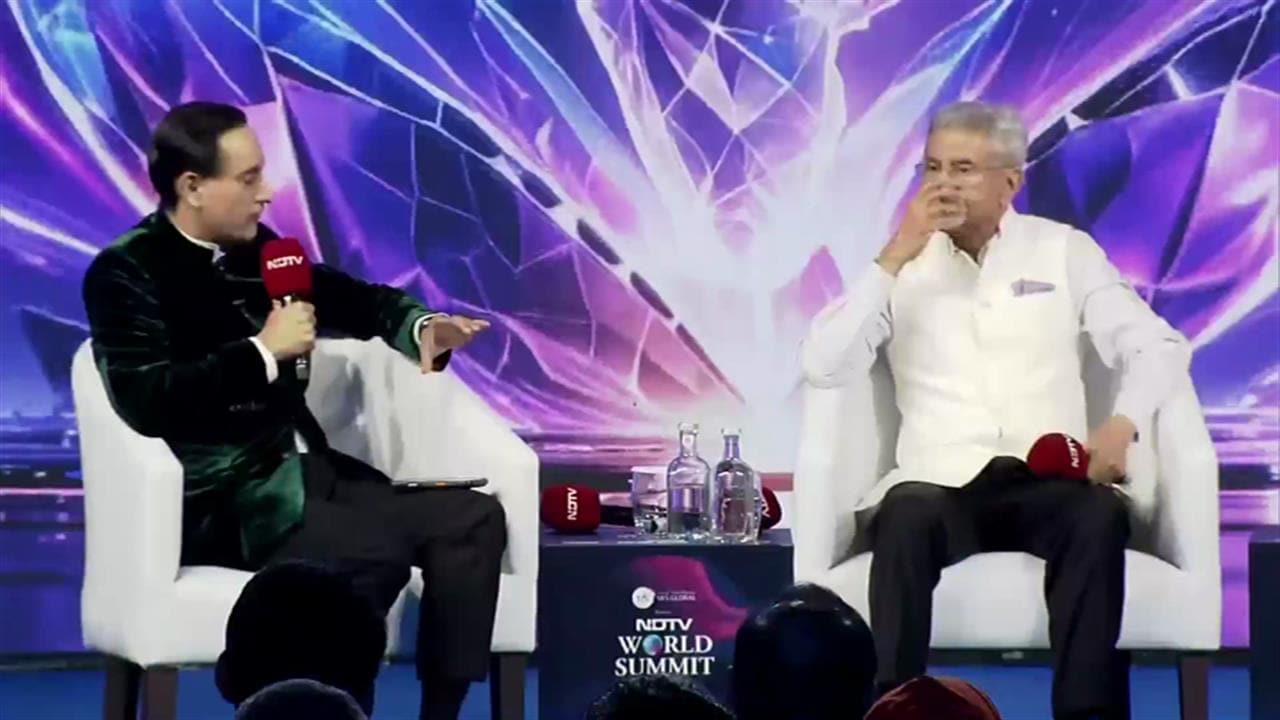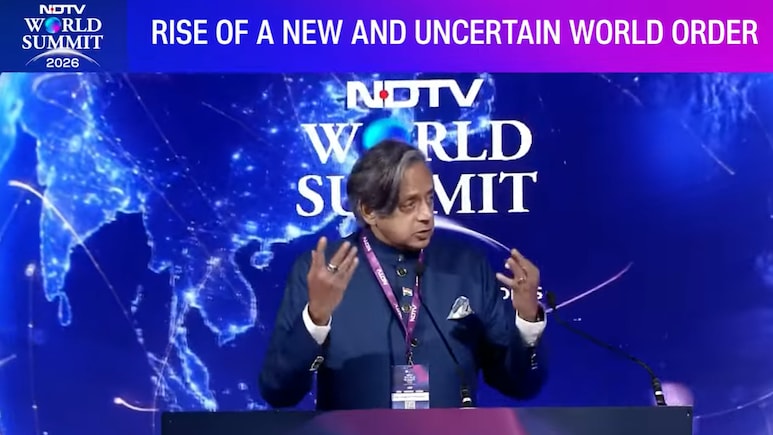
The global economy is becoming increasingly vulnerable to geopolitical rivalries, with trade, technology and financial networks emerging as instruments of strategic pressure, Congress MP Shashi Tharoor said at the NDTV World Summit 2026 on Friday.
Speaking at a session titled Demystifying A World Between Orders in New Delhi, Tharoor said the international system was undergoing a significant transformation, with established institutions struggling to adapt to shifting power equations and diminishing trust among nations.
“We inhabit a world of extraordinary interdependence and diminishing trust,” Tharoor said, highlighting how supply chains could be disrupted, markets restricted and financial relationships turned into instruments of geopolitical pressure.
Also Read | Layoffs Are Rising In Tech, But These Skills Are Helping People Unlock Better Pay
Sanctions and restrictions on critical minerals and advanced technologies, he said, had exposed how economic dependence could become a national security concern. Governments are increasingly prioritising de-risking and strategic resilience even as their economies remain deeply connected through global trade and investment.
Tharoor described the shift not as the end of globalisation but as its transformation, with countries reassessing economic relationships through the lens of security and strategic interests.
For India, the changing global landscape presents both opportunities and risks, Tharoor said. While companies looking to diversify their manufacturing bases could consider India, attracting investment alone would not be enough to protect the country's long-term interests.
The priority, he said, must be to build domestic capabilities, strengthen infrastructure, establish predictable regulations and develop a competitive industrial base.
“Global fragmentation doesn't automatically work in India's favour,” Tharoor said, pointing to the competition over advanced semiconductors as an example of how technological interdependence could become a source of strategic pressure.
He also called on India to move beyond being a user of advanced technology and become a more significant creator of it, with greater investment in research, computing capacity and talent.
In an era when advanced chips, computing power and data are increasingly linked to national influence, countries that control these resources are likely to enjoy significant advantages over those dependent on external suppliers, he said.
Tharoor said the emergence of multiple centres of power did not necessarily mean the world would become more cooperative or equitable.
“Multipolarity, after all, is not synonymous with multilateralism, nor a guarantee of it,” he said, warning that a more dispersed distribution of power could also produce competing ambitions and greater uncertainty.
He called for reforms to international institutions, including the United Nations Security Council, arguing that their structures must better reflect contemporary geopolitical realities. India and the African continent, he noted, remain outside the Council's permanent membership.
Tharoor said India's foreign policy must continue to balance relationships with the United States, Russia, Europe and other regions while preserving its ability to make independent decisions.
The objective, he said, should be not merely to secure a greater place in the emerging global order but to help shape it.
India must defend its national interests while supporting an international system where sovereignty is respected, disputes are resolved peacefully and powerful countries cannot unilaterally rewrite the rules, he added.
Essential Business Intelligence, Sharp Market Insights, Practical Personal Finance Advice, Daily Fuel, Gold and Silver Prices and Latest Stories — On NDTV Profit.