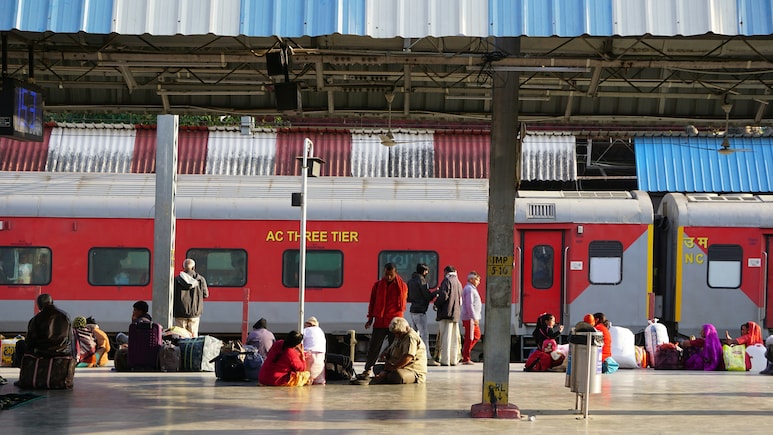
Indian Railways will conduct a special ticket-checking drive across the Central Railway network from October 1 to October 31, with a particular focus on concession tickets, fixed reservation quotas, railway passes and group bookings.
The month-long drive will cover railway stations as well as local trains. Ticket-checking staff will verify whether passengers travelling on concessional fares or under specific reservation quotas meet the eligibility requirements and have the necessary documents.
In a release, Central Railway appealed to passengers to travel with valid tickets and the required documents and cooperate with ticket-checking staff to ensure a smooth journey.
Also Read | Layoffs Are Rising In Tech, But These Skills Are Helping People Unlock Better Pay
ALSO READ | Planning Your Diwali Trip? Check 102 Special Trains, Routes, Timings And Booking Date
What Is The Oct 1-31 Ticket Checking Drive?
The intensive ticket checking campaign will be conducted across the Central Railway network and will not be limited to passengers travelling without tickets.
Railway officials will also check passengers travelling on concession tickets, fixed reservation quotas and railway passes to ensure that they are eligible for the benefits being claimed.
Unreserved tickets will also come under scrutiny. Ticket-checking staff can use the TTE App, wherever required, to verify the authenticity of tickets.
What Documents Should Passengers Carry?
Passengers, who are travelling on concession tickets or under specified reservation quotas should carry the prescribed original identity proof to establish their eligibility.
Documents that will be accepted under Indian Railways rules include:
Aadhaar
Passport
PAN card
Driving licence
Voter photo identity card
Photo identity card issued by the Central or State Government
Student identity card with photograph issued by a recognised school or college
Nationalised bank passbook with photograph
Bank-issued credit card with laminated photograph
Passengers should carry the original document and not rely only on a photocopy or an image of the document stored on their phone.
Original ID Proof Important For Concession And Quota Tickets
Ticket-checking staff may ask passengers to produce the original document required to establish their eligibility for a concession or reservation quota.
Passengers who are unable to establish their eligibility or produce the required documents could face action under the applicable railway rules.
What Happens In Group Bookings?
For travellers using group reservations, the paperwork requirement is crucial.
When a ticket is reserved for more than one person, at least one of the passengers must have the required original identity proof, according to Central Railroad CPRO Dr Swapnil Nila.
Passengers using that ticket may be considered to be travelling without a valid ticket under the relevant regulations if the necessary original proof is not presented.
E-Pass And PTO Users: What Do They Need?
Passengers who are travelling with an E-Pass or Privilege Ticket Order (PTO) will also be subjected to document verification.
They must carry the prescribed original identity proof and ensure that the E-Pass or PTO has been duly exchanged or converted into the prescribed Authority to Travel before starting their journey.
Failure to complete the required process or produce the necessary documents can result in the passenger being treated as travelling without a valid ticket.
Ticketless Travel Penalty Increased To Rs 500
Passengers travelling without a valid ticket or other authorised travel document may also be liable to a higher excess charge.
ALSO READ | IRFC Backs DVC Renewable Projects With Rs 4,200-Crore Term Loan
The minimum penalty for travelling without a ticket or travelling unauthorised has been increased to Rs 500 from Rs 250 from June 20, 2026, following changes under the Jan Vishwas (Amendment of Provisions) Act, 2026.
Passengers are therefore advised to make sure that they have a valid ticket or travel authority and the necessary original documents before they start their journey.
Essential Business Intelligence, Sharp Market Insights, Practical Personal Finance Advice, Daily Fuel, Gold and Silver Prices and Latest Stories — On NDTV Profit.