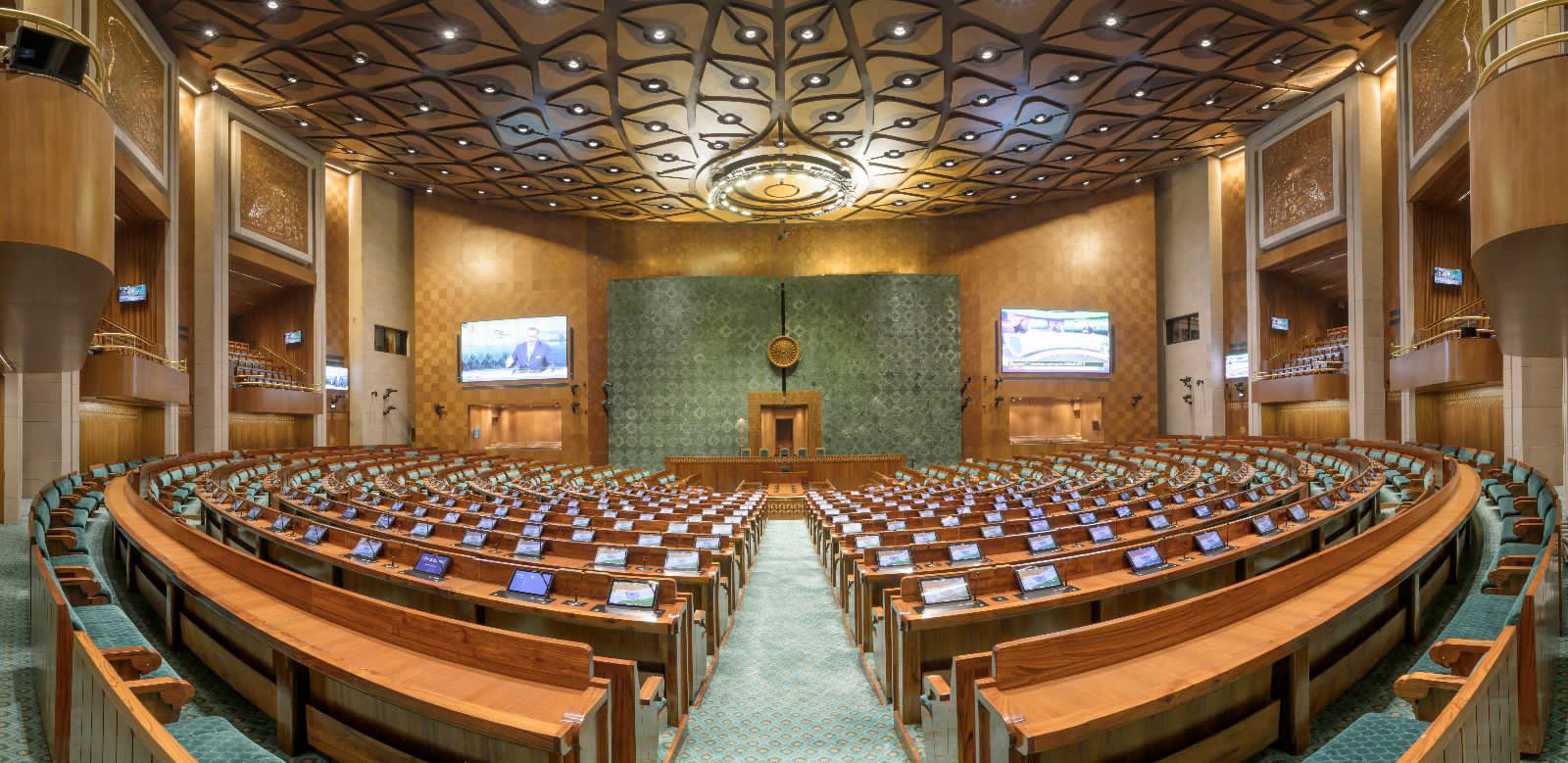
The Centre is exploring a plan to raise the strength of the Lok Sabha from 543 to 816 seats, while also keeping one-third of the seats reserved for women, according to reports. The change would come into effect only for the 2029 Lok Sabha polls.
The proposal, reported by The Indian Express, says the new House would include 273 seats reserved for women. It also says Union Home Minister Amit Shah suggested, at a meeting with some Opposition parties, that the Act be amended and the total number of Lok Sabha seats be increased separately, while the current share of seats among states is kept in the same proportion.
Also Read | Layoffs Are Rising In Tech, But These Skills Are Helping People Unlock Better Pay
If the current ratios are kept, Uttar Pradesh would have 120 seats in the new Lok Sabha, including 40 seats for women. Maharashtra would get 72 seats, including 24 women's seats. West Bengal would rise to 63 seats with 21 women's seats, Bihar to 60 with 20 women's seats, Tamil Nadu to 59 with 20 women's seats, and Madhya Pradesh to 44 with 15 women's seats.
The report also says several smaller states would see gains. Arunachal Pradesh, Goa, Manipur, Meghalaya and Tripura could move from two seats each to three. Mizoram, Nagaland and Sikkim, which currently have one seat each, could move to two seats each in the new setup. Delhi could rise from seven seats to 11, with four reserved for women, while Jammu and Kashmir could go from five to eight seats, with three reserved for women. The report says it is still not clear how single-seat Union territories such as Ladakh and Puducherry will be handled.
The majority mark will, accordingly, move to 409.
The strength of LS will increase for the first time in over five decades. The strength of Rajya Sabha and legislative councils in states will not be affected.
Also Read: India's Coastal, Cyber Security Strengthened: PM Modi Amid Iran War
At least two bills, one on delimitation and another for an amendment in the Constitution, which needs two-thirds support in both Houses, will be brought.
The Women's Reservation Act, 2023, also called the Nari Shakti Vandan Adhiniyam, provides for one-third reservation for women in the Lok Sabha and state legislative assemblies. The law is not to be applied immediately; it will come into effect after the census conducted post the law's commencement is published, and the seats will then be decided through delimitation. The reserved seats will be rotated after each delimitation, and the quota is set to remain in force for 15 years, unless Parliament changes it later.
Essential Business Intelligence, Sharp Market Insights, Practical Personal Finance Advice, Daily Fuel, Gold and Silver Prices and Latest Stories — On NDTV Profit.