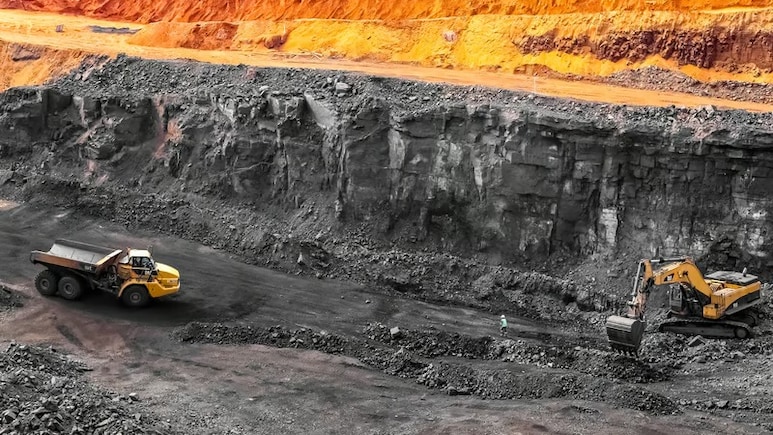
- India's first coal exchange is expected to be finalized within 8-9 months
- Mineral exchange rules for the coal sector have been finalized by the government
- Reforms aim to improve pricing uniformity across India's coal market
India's first coal exchange is expected to be finalised within the next 8-9 months, Sanoj Kumar Jha, Additional Secretary, Ministry of Coal, said, as the government moves ahead with reforms aimed at improving pricing uniformity and reducing coal imports.
Jha said the mineral exchange rules have also been finalised, adding that the reforms could help reduce regional disparities among states.
"Industries tend to move to states with lower taxes, causing irregularities," Jha said, adding that the proposed framework would help address such disparities.
Also Read | Layoffs Are Rising In Tech, But These Skills Are Helping People Unlock Better Pay
He said one of the key objectives of the Bill is to reduce India's dependence on imported coal and ensure that domestic demand is met through local production.
ALSO READ: Coal India Makes Move Into Iron Ore In Diversification Push
The Mines Ministry said India has signed MoUs with 20 countries for critical minerals, including rare earths, lithium and nickel. Khanij Bidesh India Ltd. (KABIL) has acquired exclusive rights for five blocks in Argentina, while the government is scouting for additional opportunities globally.
The ministry is also in the process of onboarding more public sector undertakings to explore critical-mineral opportunities overseas.
On the impact of the Bill on states, the government said there would be absolutely zero revenue impact on states with this Bill. The Bill has been framed keeping in mind potential state taxes that may be introduced in the future, it said.
Speaking on the Bill, Mines Minister G Kishan Reddy said the legislation passed on Thursday applies only to major minerals and does not cover minor minerals.
"The Bill passed today is only for major minerals, not minor," Reddy said, adding that its impact would be felt across 11-12 states with reserves of coal, limestone, bauxite and copper.
Reddy said there was a need for uniformity in prices of major minerals and coal across states. He added that reducing imports of coal and steel remained a key objective.
"With today's Bill, we will be able to increase production of major minerals," Reddy said.
He added that the government's coal exchange and minerals exchange are in the final stages of launch and stressed that the Bill does not affect the production or revenue from 49 minor minerals.
The minister said the broader objective was to establish balanced, uniform rates for coal and major minerals while increasing domestic production and reducing India's reliance on imports.
Essential Business Intelligence, Sharp Market Insights, Practical Personal Finance Advice, Daily Fuel, Gold and Silver Prices and Latest Stories — On NDTV Profit.