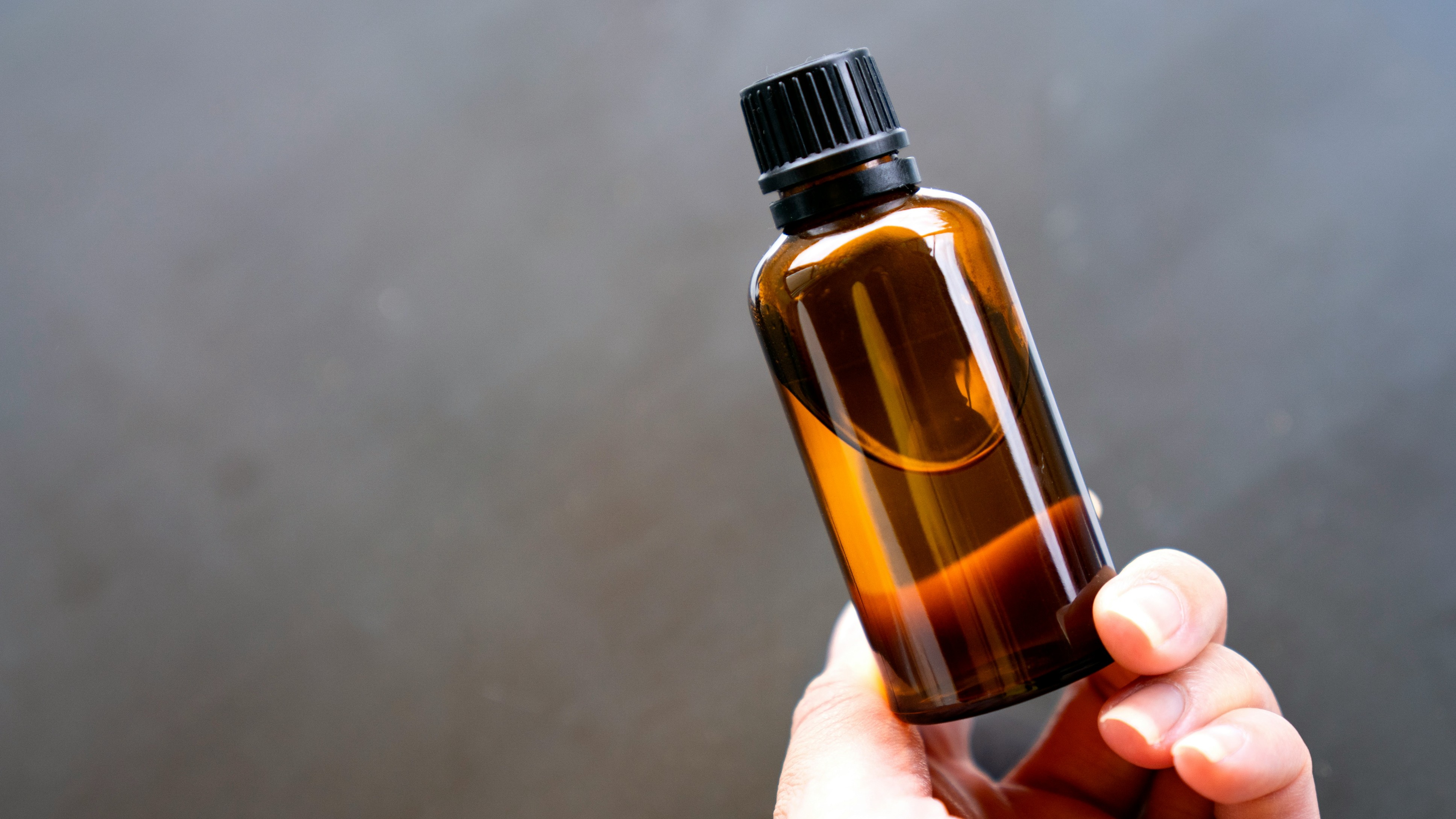
In a major policy shift following the deaths of children linked to contaminated cough syrups, the Central Government has made laboratory testing of cough syrups mandatory for the domestic market, according to a report in NDTV. Until now, such mandatory testing was required only for syrups meant for export.
Under the new regulation, pharmaceutical companies must obtain a Certificate of Analysis before selling any cough syrup in India. The certificate will be issued only after testing by government or government-designated laboratories. Sale of syrups and medicinal products containing chemicals such as diethylene glycol (DEG) or ethylene glycol (EG) will be permitted only after successful testing and certification.

-
 'Switch Off The Noise, Focus On Earnings': Raamdeo Agrawal's Advice To Investors
-
 Stay Invested Through Market Cycles: Raamdeo Agrawal at NDTV Profit Ignite
-
 Courage, Not Tech, Will Decide Corporate Winners In The AI Era: Harvard Professor
-
 SEBI Chairman Cautions People On Fraudulent Investments
-
 Ramesh Damani Remains Bullish On India For Next 20-30 Years, Sees Bargains Amid Market Weakness
-
 CAS Came After A Long Consultation Process: SEBI Chairman Tuhin Kanta Pandey AT NDTV PROFIT IGNITE
-
 SEBI Says CAS Works Technologically, Explains Concern Over Expiry-Day Derivatives
-
 Aim To Cut FPI Onboarding Time From Mth To Five Days: SEBI Chairman Tuhin Kanta Pandey AT NDTV PROFI
-
SEBI To Float Consultation Paper On FPI Norms To Align Indian Markets Globally
-
 "I Am A Material Man In A Material World': Quantum Advisors' Ajit Dayal On NDTV Profit Ignite
Government Tightens Tracking Mechanism
Amid rising concerns over adulterated cough medicines containing toxic chemicals, the government has introduced stringent checks to ensure the quality and safety of pharmaceutical products. The Centre has identified 10 chemicals commonly used in medicines as high-risk and directed all states to strengthen surveillance over their use.
Also Read | Layoffs Are Rising In Tech, But These Skills Are Helping People Unlock Better Pay
According to the Central Drugs Standard Control Organisation (CDSCO), the entire supply chain of these high-risk solvents, from production to market distribution, will now operate under direct government supervision.
Digital Tracking via ONDLS Portal
The monitoring process will be digitally tracked through the recently launched ONDLS portal. The high-risk solvents include glycerin, propylene glycol, maltitol and maltitol solution, sorbitol and sorbitol solution, hydrogenated starch hydrolysate, diethylene glycol stearates, polyethylene glycol, polyethylene glycol monomethyl ether, polysorbate and polyoxyl compounds, and ethyl alcohol.
In its directive, the CDSCO instructed all pharmaceutical companies using these solvents to register on the ONDLS portal. Manufacturers with existing licenses must also update their details to comply with the new guidelines.
Last week, The World Health Organisation (WHO) has issued an alert against three 'substandard' oral cough syrups identified in India viz Coldrif, Respifresh TR and ReLife and urged national regulatory authorities worldwide to immediately notify it if these are detected in their country. It has also advised healthcare professionals to report the detection of these substandard products and any incident of adverse effects, or lack of expected effects to their national regulatory authorities or National Pharmacovigilance Centre. The WHO has further called for increased surveillance and diligence within the supply chains of countries and regions likely to be affected by these substandard products.
The alert comes after at least 22 children, mostly under the age of five, died due to suspected kidney failure after being administered Coldrif in Madhya Pradesh. Besides, at least three children have allegedly died in Rajasthan after consuming cough syrup in different districts of the state.
Essential Business Intelligence, Sharp Market Insights, Practical Personal Finance Advice, Daily Fuel, Gold and Silver Prices and Latest Stories — On NDTV Profit.