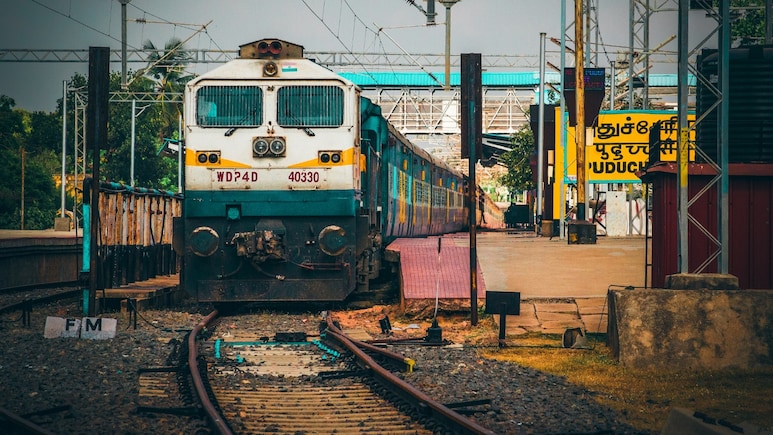
In a major crackdown on ticketless travelers and illegal hawkers, the central government will enforce stricter penalties starting July 1 under the Jan Vishwas Act, 2026. Shifting the focus from criminal prosecution to heavy monetary fines, the revised rules aim to boost compliance and safety.
Following Presidential assent to the amendments of the Railways Act, 1989, the Railway Board has instructed all zonal networks to prepare for the new regulations.
Under the amended rules, the minimum penalty for travelling without a valid ticket or pass, including the misuse of old tickets, will double from Rs250 to Rs 500. Passengers will also be required to pay the applicable fare, while those refusing to pay could face legal proceedings. Travelling on another person's ticket will result in its immediate forfeiture, along with the applicable fare and excess charges, subject to a minimum liability of Rs 500.
Also Read | Layoffs Are Rising In Tech, But These Skills Are Helping People Unlock Better Pay
ALSO READ: 8th Pay Commission: 50% Higher? How Tweak In Family Unit Count Can Impact Fitment Factor, Salaries
The new provisions significantly increase penalties for offences affecting passenger convenience and safety. Unauthorised hawking and begging on trains or railway premises will attract a civil penalty of up to Rs 2,000, with repeat offenders liable to imprisonment of up to one year. Railway authorities will also have the power to remove violators from stations and trains.
10 illegal hawkers caught by RPF & TTEs joint team in today's 30/06/26 anti-illegal hawker drive in CSMT-Kalyan section. And penalty of Rs. 20,000/- imposed on them.
— DRM Mumbai CR (@drmmumbaicr) June 30, 2026
Apart from above 10 illegal hawkers, 46 without ticket passengers also caught by team and Rs. 18,370/- penalty… pic.twitter.com/MXR9QmtiwK
Passengers engaging in smoking, drunken behaviour, using abusive language or causing public nuisance may face fines of up to Rs 2,000, while those creating general disturbances or interfering with railway amenities could be penalised Rs 1,000. Dangerous travel, including travelling on train roofs, steps or engines, will now attract a penalty of up to Rs 2,000, compared with the earlier Rs 500 fine.
The amendments also impose stricter penalties for safety-related violations. Men found travelling in coaches or occupying berths reserved for women without authorisation may face fines of up to Rs 2,500 and immediate removal. Carrying hazardous or prohibited goods on trains will invite a minimum penalty of Rs 10,000, while trespassing into prohibited railway areas will attract a Rs 500 fine.
The Act also provides for an automatic 10 per cent revision in penalties every three years, unless the government prescribes a separate revision mechanism, ensuring fines remain an effective deterrent against violations.
Essential Business Intelligence, Sharp Market Insights, Practical Personal Finance Advice, Daily Fuel, Gold and Silver Prices and Latest Stories — On NDTV Profit.