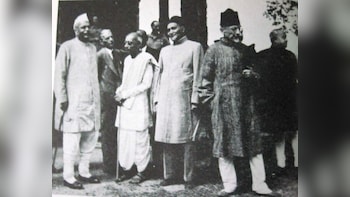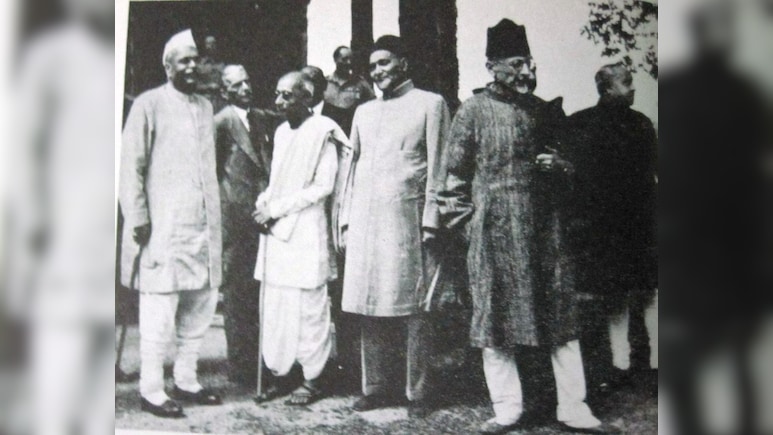
India will observe National Education Day on November 11, 2026, marking the birth anniversary of Maulana Abul Kalam Azad, the first Education Minister on Independent India and a key architect of the country's modern education system. November 11 is celebrated annually as National Education Day since 2008, when then Ministry of Human Resource Development (Ministry of Education), formally designated the date November to honour Azad's contribution to education, institution-building and academic reform in Independent India.
Born in Mecca on November 11, 1888, Azad was known for his scholarship from an early age. He studied theology and after moving to India, he became active in public life and emerged as a prominent voice during India's freedom movement.
Azad used journalism as a platform for political and social commentary. His Urdu publication Al-Hilal, launched in 1912, became known for its criticism of colonial rule and its emphasis on national unity. He remained a strong advocate of Hindu-Muslim unity and opposed the partition of India.
Also Read | Layoffs Are Rising In Tech, But These Skills Are Helping People Unlock Better Pay
After India gained Independence in 1947, Azad took charge as the country's first Education Minister with Cabinet rank. During his tenure, he pushed for an educational framework that combined access, academic quality, culture, science and technical learning for young Indians. He always placed education high on national priorities and maintained that it would play a central role in nation-building.
His tenure was associated with the growth of major institutions like the Indian Council for Cultural Relations, which was established in 1950, while national academies such as the Sangeet Natak Akademi, Sahitya Akademi and Lalit Kala Akademi were set up in the following years to promote India's culture.
Azad supported free and compulsory education for children up to the age of 14 and advocated greater emphasis on girls' education, vocational learning, agricultural studies and technical education. He backed the use of the mother tongue at the primary level while recognising the role of English in higher education and international communication.
ALSO READ | 13 Years After Paying Lakhs For Job In Canada, Amritsar Man Wins Full Refund From Immigration Firm
His influence was visible in the expansion of higher and technical education. IIT Kharagpur was established in 1951 during his tenure, and other IITs followed in later years. He played an important role in the establishment of the University Grants Commission in 1956, which was created to support universities financially and help maintain academic standards.
Hence, National Education Day is basically a tribute to Azad and analyse the state of education in India. When it was formally observed in 2008, then President Pratibha Patil highlighted the need to use strengthen educational institutions, improve quality and assess the country's progress in building a knowledge-driven society.
Essential Business Intelligence, Sharp Market Insights, Practical Personal Finance Advice, Daily Fuel, Gold and Silver Prices and Latest Stories — On NDTV Profit.