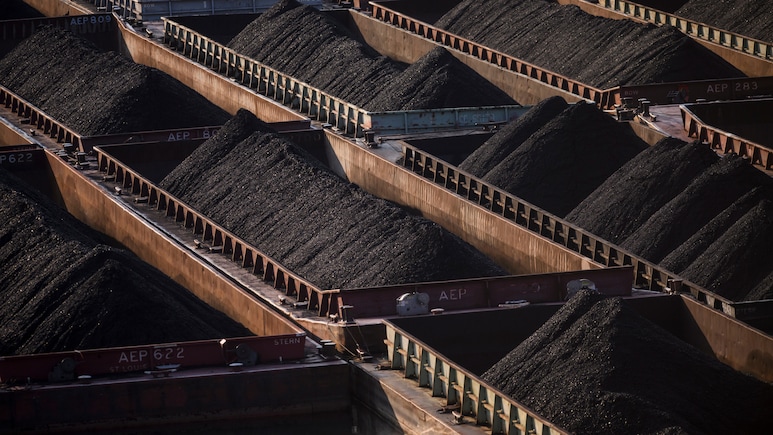
China agreed to import at least 10 million metric tons of coal from the US next year and again in 2028, according to the White House, in a sign of progress in easing trade frictions.
The two sides will also pursue more favorable tariffs on $30 billion of non-sensitive goods as part of an agreement struck under the Board of Trade, the US said in a statement.
American products under discussion as part of that deal include agricultural goods, seafood, timber, cosmetics and medical devices, it said. Chinese consumer items such as small appliances, toys, holiday decorations and children's car seats are covered.
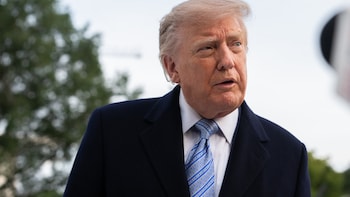
The agreements come after Donald Trump and Xi Jinping held a summit in Washington this week to stabilize ties between the world's two largest economies.
Also Read | Layoffs Are Rising In Tech, But These Skills Are Helping People Unlock Better Pay
Coal production is high on the US president's agenda, as his administration works to revitalize the industry. Trump said in June he'd marshal hundreds of millions of taxpayer dollars to strengthen the sector. Soaring electricity costs from the demands of AI data centers and the Iran war are fueling cost of living concerns frustrating voters ahead of the November midterms.
China's official readout on Saturday didn't explicitly mention coal purchases, but endorsed the outcomes achieved by the two sides' trade teams. It also confirmed the $30 billion tariff-relief discussions and the trade truce extension, without specifying a timeline.
Calls to China's State Council Information Office and Ministry of Commerce went unanswered outside working hours on Saturday.
ALSO READ | China, US Reach Agreements On Iran, Trade, Military Crisis Prevention: Report
Taiwan Absence
The White House readout did not mention Taiwan, after Xi pushed the US to outright “oppose” Taiwan independence during his meeting with Trump on Thursday.
Adopting that language would mark a significant change from Washington's longstanding position on the self-ruling island, which China's ruling Communist Party claims as its own territory despite having never controlled it. US ambassador to China David Perdue clarified Trump hadn't changed his stance, but the US president himself hasn't publicly addressed Xi's request.
China's readout, which listed eight items the two sides reached “consensus” on, also didn't mention Taiwan. That differed from the May leaders' summit when Beijing devoted a section of its statement to the chip hub.
The agreements stretched beyond trade. Both countries' militaries will sign a memorandum of understanding aimed at strengthening crisis communication and prevention as soon as possible, according to official Xinhua News Agency.
The two leaders also agreed that Iran should fulfill its commitment to not develop nuclear weapons and that no country or organization should charge tolls on international waterways, China said, in a line echoed in the White House readout.
‘Super Intelligence'
The White House said the two countries had launched a working group focused on addressing market-access barriers in agriculture, a sector that has long been a central issue in bilateral trade negotiations.
Separately, Washington and Beijing established a Board of Investment aimed at discussing opportunities and resolving investment-related impediments. The two sides also said they would continue working on US concerns over supply-chain shortages involving rare earths and other critical minerals, according to the statement.
Trump urged Xi to increase production of refined petroleum products to help stabilize global supply. The two leaders also agreed to continue dialogue on emerging technologies, with the next exchange on artificial intelligence scheduled by November.
The White House readout said the two leaders agreed to use the term “super intelligence” rather than “artificial intelligence” to describe the applicable emerging technologies. The Chinese readout did not mention that agreement.
When asked about the term, a spokesperson for Beijing's Foreign Ministry said, “China attaches importance to the position of the US side and respects their choice of the term.”
(This story has not been edited by NDTV staff and is auto-generated from a syndicated feed.)
Essential Business Intelligence, Sharp Market Insights, Practical Personal Finance Advice, Daily Fuel, Gold and Silver Prices and Latest Stories — On NDTV Profit.