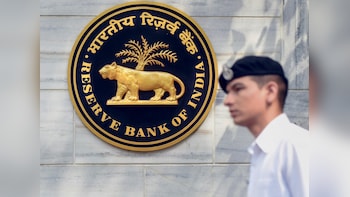
Home loan Equated Monthly Installments (EMIs) and interest rates on other consumer loans will come down if the Reserve Bank of India cuts its key policy rate on Tuesday. 85 per cent bankers polled by NDTV Profit expect the Reserve Bank to cut repo rate, or the rate at which it lends short-term money to banks, by 0.25 per cent at its mid quarter policy review.
The RBI had reduced the repo rate by 0.25 per cent to 7.75 per cent in January after holding it steady for nine months. Most banks had immediately cut their base rate, the minimum lending rate below which they cannot lend, following RBI's action in January.
State Bank of India, the country's largest lender, cut its lending rate by 0.05 per cent on January 30, a day after the Reserve Bank cut its key policy rates. After this marginal reduction, SBI's base rate or the minimum rate of lending came down to 9.70 per cent from 9.75 per cent effective February 4.
A day before the policy announcement, SBI's chairman Pratip Chaudhuri advocated for a 50 basis point cut in both the repo rate and the Cash Reserve Ratio (CRR), which is the minimum deposits that banks have to park with RBI.
Mr Chaudhuri had earlier said that the reduction in retail rates led to huge demand and a further cut in rates today may help in driving sentiments in the Industry. The auto sector is witnessing sluggish growth as car sales slumped 25.7 per cent in February, the biggest fall in more than 12 years. Similarly, home sales might pick up if rates start moving southwards.
Faltering economy:
India's economy is on track to grow at its slowest in a decade at around 5 per cent in the fiscal year ending this month, and is expected to see modest improvement in the following year.
Analysts expect the central bank to cut rates to help revive India's faltering economy, taking comfort from moderating core price pressures and the government's commitment to trim the fiscal deficit.
However, a recent uptick in headline wholesale inflation, rising food price-driven consumer inflation and a record-high current account deficit are seen limiting the RBI's space for more aggressive monetary easing.
Price pressures:
The current account deficit hit a record-high 5.4 per cent in the September quarter and is expected to end the 2012/13 fiscal year at its highest level ever.
February's wholesale price index rose an annual 6.84 per cent, faster than in January, although non-food manufacturing inflation, which the central bank uses to assess demand-driven price pressures, slowed to 3.8 per cent, the weakest pace since March 2010.
Rate cut expectations also strengthened after Governor Subbarao said last week that the Union Budget for 2013-14 will have a "softening impact" on inflation.
In the Budget announced at the end of February, Finance Minister P. Chidambaram said fiscal deficit would fall to 5.2 per cent of GDP in the current fiscal year and 4.8 per cent in the next year, targets intended to help stave off a sovereign credit rating downgrade to "junk" status.
(With inputs from Reuters)
Essential Business Intelligence, Sharp Market Insights, Practical Personal Finance Advice, Daily Fuel, Gold and Silver Prices and Latest Stories — On NDTV Profit.