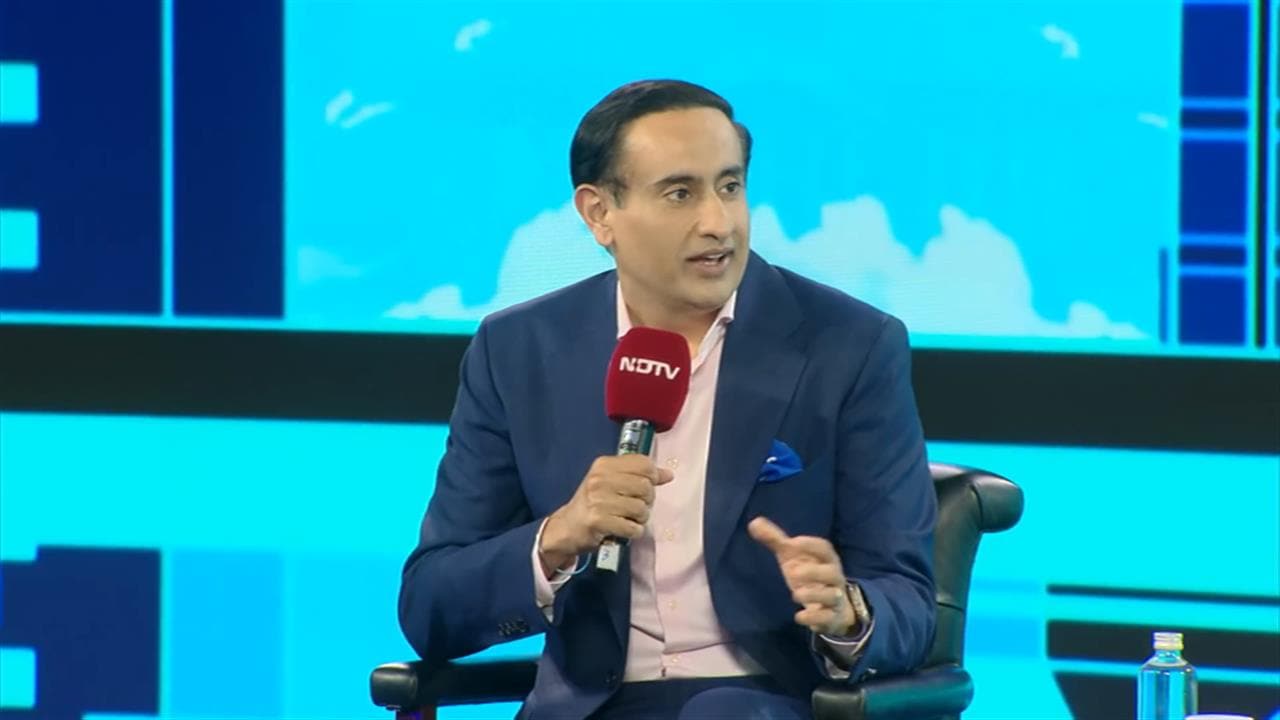
Rajiv Raj of CreditVidya
(Rajiv Raj is director and co-founder of CreditVidya)
The Union Budget won't be just a ritual this year. With a strong mandate from the people of India, the Modi government will take this opportunity with both hands to make a lasting impact on finances of India.
When Finance Minister Arun Jaitley will rise to deliver his Budget Speech, he will feel the burden of expectations on his shoulders. Unlike the corporate world that puts the best foot forward to ensure that their demands reach the right ears, the common man will hope for some measures that would reduce the impact of inflation and put some extra rupees in his pocket.
Here is what the common man should expect from the Union Budget:
Section 80C of the Income Tax Act
Last year, we were expecting an increase in the overall limit of investments under Section 80C of the Income Tax Act from Rs 100,000 to Rs 300,000. This year, the expectation may turn into reality as the government has to give something to the people who voted them in. This is especially true, given the shocks the government has given to public at large by a series of price hikes. However, don't be too happy to start your celebrations already. The incremental savings in income tax may come at a steep price.
For example, the Finance Minister may allow additional savings only in very long term instruments such as public provident fund, new pension scheme and pension funds. One can also expect long term infrastructure bonds (10 years and more) that pay a low rate of interest, say 6 per cent to 8 per cent, which is taxable in the hands of the investors. By doing this, the government may attain two objectives: First, it will give some solace to taxpayers, and second, it will create funding for projects where government is the largest stakeholder.
Also, one may expect old schemes, such as Rajiv Gandhi Equity Saving Scheme (RGESS), being scrapped as they failed to deliver. The government may take this opportunity to seriously channelise savings in the economy into long term investments that support sustainable growth in the economy. Though many are talking about substantial increase in the threshold of income (Rs 200,000 at present) below which individuals need not pay taxes, don't expect much on this front. Rather be prepared for a small cess for defence expenditure.
Housing sector
Housing sector is a priority sector for the economy. But the prices of houses have reached to such levels that the houses are no more affordable at least in metro cities like Mumbai. Economic conditions too are poor, making people think twice before taking a home loan to fund a house purchase. The Finance Minister may choose to increase the extant deduction up to a maximum limit of Rs 150,000 from taxable income towards interest on home loan taken to Rs 300,000. Aforesaid changes in the Section 80C should offer increased deduction for the principal on home loan repayment. Such an increase should lead to higher demand for houses.
If Mr Jaitley decides to cut down subsidies and increase target for divestment, it will help contain fiscal deficit below 3.8 per cent of GDP. This also means that government keeps a tab on the borrowing. If the largest borrower in the Indian economy - the government - decides to borrow less, the interest rates may cool down benefiting home loan borrowers, both new and old. So, for the time being, keep your fingers crossed. Prepare for the action - arrange your home loan file with your latest income proof and your credit score, popularly known as CIBIL Score.
Other investments
The government is keen to develop equity markets as a fund raising option for companies. It also has the divestment targets to meet. Do not get surprised if you hear an increase in retail investor limit in initial public offer (IPO) of shares to Rs 5 lakh from the extant Rs 2 lakh, which was set in 2010 by C B Bhave , the then chairman of the Securities and Exchange Board of India (SEBI). Retail investor limit in bond issues is already at Rs 5 lakh, and increasing the retail investor limit in IPO will bring it at par with bond issues.
Bank fixed deposits and debt mutual funds were brought almost at par when the then finance minister P Chidambaram in the Union Budget 2013-2014 hiked the dividend distribution tax on debt funds. This year, Mr Jaitley may offer some incentives to long-term bank fixed deposits to enhance deposit base of banks. Increase in the 80C limit will surely help bank fixed deposits. Interest from savings bank account with banks is deductible from taxable income to the extent of Rs 10,000 in a financial year. This may be increased to Rs 20,000 and extended to interest on fixed deposits with more than three-year time frame.
Whatever may be the outcome of the Budget, be prudent with your spendings and stick to your asset allocation that will help you achieve your financial goals.
The opinions expressed here are the personal opinions of the author. NDTV is not responsible for the accuracy, completeness, suitability or validity of any information given here. All information is provided on an as-is basis. The information, facts or opinions appearing on the blog do not reflect the views of NDTV and NDTV does not assume any responsibility or liability for the same.
Essential Business Intelligence, Sharp Market Insights, Practical Personal Finance Advice, Daily Fuel, Gold and Silver Prices and Latest Stories — On NDTV Profit.