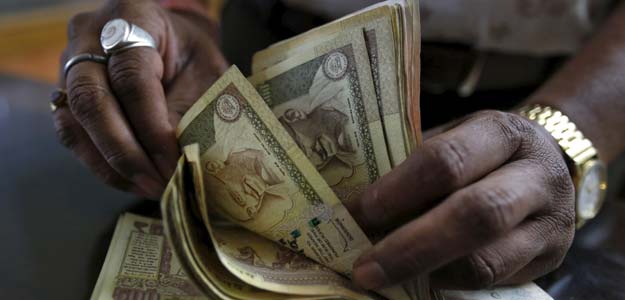
Crude oil prices are one of the several factors that impact the fortunes of the Indian rupee. India imports nearly 80 per cent of its energy needs, so rising oil prices inflate the import bill and adversely impact the rupee-dollar exchange rate.
But over the last two weeks, the rupee has rallied from near record lows of 68.77 per dollar to 67.20, even though Brent crude prices jumped to $40/barrel as compared to $35/barrel two weeks ago.
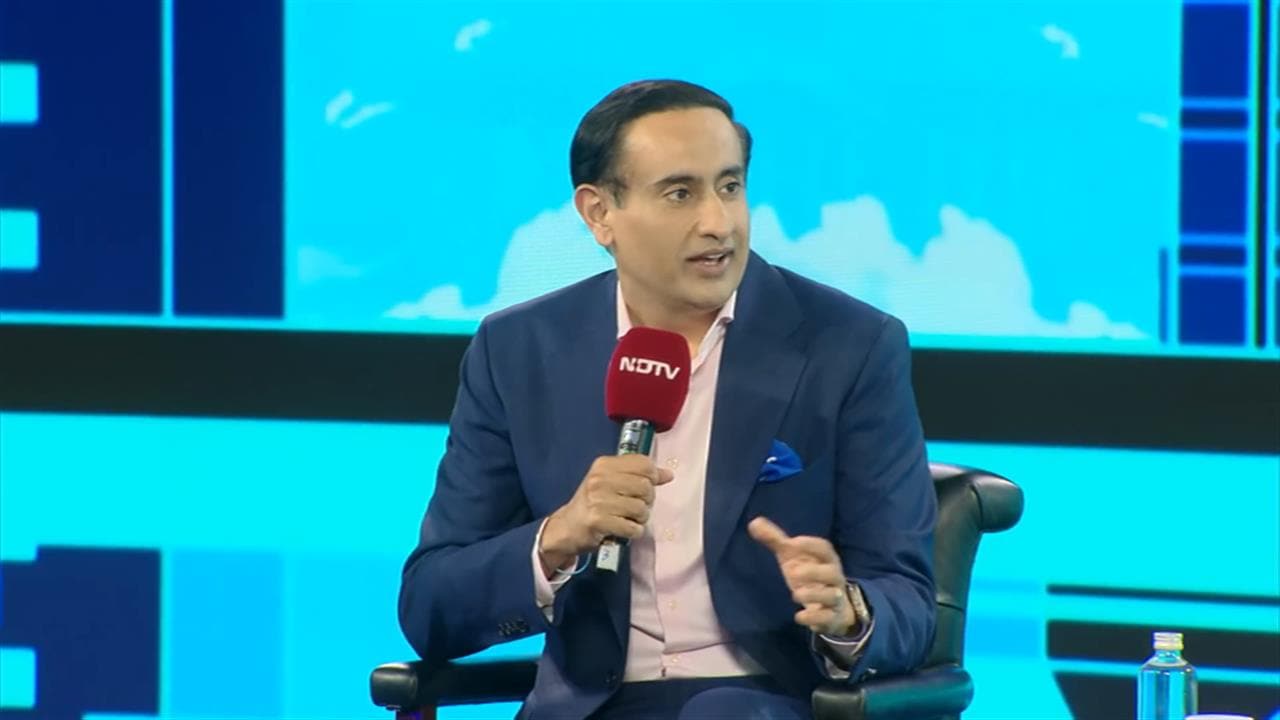
Federal Bank's Ashutosh Khajuria says small gains in crude oil prices may be good for the rupee and the currency may not be impacted much if oil prices stay below $60/barrel.
"If you look at other aspects which impact Indian economy like NRI remittances coming from Gulf countries and other oil-producing countries, there is a negative effect if it (oil) falls below a particular level," Mr Khajuria told NDTV Profit. (Watch)
"Any level which is within $60 levels may not hit India (rupee) so badly. And at the same time it would continue to have a stable outlook for Indians working abroad on the employment side and NRI remittances, which has been bridging our current account deficit to a larger extent. Every year we receive around $70-billion-plus in NRI remittances."
The crash in crude oil prices and its crippling impact on economies of the Gulf nations can deal a severe blow to remittances to India, analysts say.
So some rise in oil prices "has a less volatile impact on rupee," Mr Khajuria.
He added that recent rise in rupee's value was primarily due to capital flows into Indian equity markets.
"In fact, we suddenly had huge inflows into equity markets which brought the dollar-rupee value to near 67/dollar. The trend had been influenced by capital inflows into equity markets."
Mr Khajuria attributed the positive sentiment in equity markets to Finance Minister Arun Jaitley sticking to the 3.5 per cent fiscal deficit target in the Budget. "When he stuck to the fiscal target it was welcomed by the markets," he said.
Despite the recent pullback in the rupee, the Indian currency is down around 6.5 per cent in the past one year against the dollar. "Gradually rupee is depreciating against dollar. Fundamentally that should happen as inflation in India is higher than that of US," he said.
A gradual depreciation will keep the rupee competitive from exports from of view, he said.
"Gradual depreciation, say 3 per cent or so a year, would be welcome...good for the economy and external trade," he said.
But over the last two weeks, the rupee has rallied from near record lows of 68.77 per dollar to 67.20, even though Brent crude prices jumped to $40/barrel as compared to $35/barrel two weeks ago.
Federal Bank's Ashutosh Khajuria says small gains in crude oil prices may be good for the rupee and the currency may not be impacted much if oil prices stay below $60/barrel.
"If you look at other aspects which impact Indian economy like NRI remittances coming from Gulf countries and other oil-producing countries, there is a negative effect if it (oil) falls below a particular level," Mr Khajuria told NDTV Profit. (Watch)
"Any level which is within $60 levels may not hit India (rupee) so badly. And at the same time it would continue to have a stable outlook for Indians working abroad on the employment side and NRI remittances, which has been bridging our current account deficit to a larger extent. Every year we receive around $70-billion-plus in NRI remittances."
The crash in crude oil prices and its crippling impact on economies of the Gulf nations can deal a severe blow to remittances to India, analysts say.
So some rise in oil prices "has a less volatile impact on rupee," Mr Khajuria.
He added that recent rise in rupee's value was primarily due to capital flows into Indian equity markets.
"In fact, we suddenly had huge inflows into equity markets which brought the dollar-rupee value to near 67/dollar. The trend had been influenced by capital inflows into equity markets."
Mr Khajuria attributed the positive sentiment in equity markets to Finance Minister Arun Jaitley sticking to the 3.5 per cent fiscal deficit target in the Budget. "When he stuck to the fiscal target it was welcomed by the markets," he said.
Despite the recent pullback in the rupee, the Indian currency is down around 6.5 per cent in the past one year against the dollar. "Gradually rupee is depreciating against dollar. Fundamentally that should happen as inflation in India is higher than that of US," he said.
A gradual depreciation will keep the rupee competitive from exports from of view, he said.
"Gradual depreciation, say 3 per cent or so a year, would be welcome...good for the economy and external trade," he said.
Essential Business Intelligence, Sharp Market Insights, Practical Personal Finance Advice, Daily Fuel, Gold and Silver Prices and Latest Stories — On NDTV Profit.